The AR-15 is popular for a reason: it is lightweight, modular, accurate, and dependable when properly maintained. But even a well-built rifle can start showing extraction problems, and when that happens, the extractor is often the first part owners blame. In reality, extractor failures usually point to a larger system issue—one that can involve the bolt, gas system, ammunition, magazine, or simple maintenance habits.
If your AR-15 extractor keeps failing, the good news is that the fix is usually straightforward once you understand the cause. Extraction is a violent, tightly timed part of the cycle, and the rifle depends on several small components working together. This article breaks down why extractors fail so often and what the real, practical solution looks like for responsible owners who want reliable performance at the range, in the field, or for defensive readiness.

Why AR-15 Extractors Fail So Often
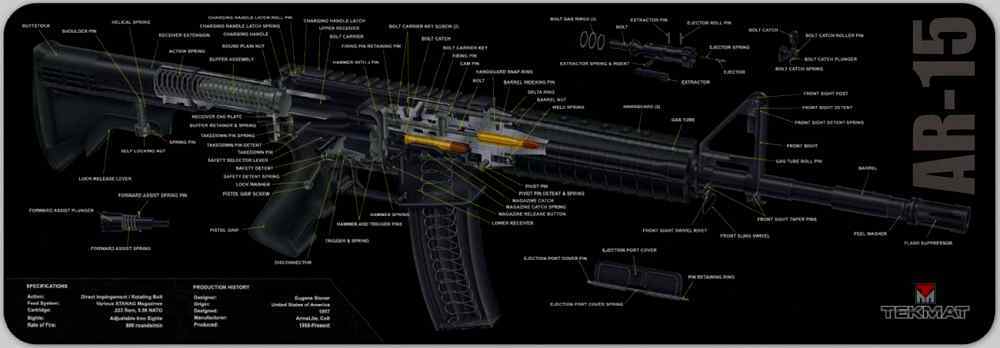
The AR-15 extractor has a demanding job. After firing, it must grip the case rim, pull the empty casing from a hot chamber, and release it cleanly so the rifle can eject and cycle the next round. That sounds simple, but in a direct-impingement AR platform, the extractor is working under heat, pressure, and speed. When anything in that system is off, the extractor gets blamed because it is the part that visibly shows the failure.
One of the most common reasons extractors fail is excessive stress from overgassing, undergassing, or a dirty chamber. If the bolt unlocks too early because the gas system is out of balance, the case may still be expanded tightly in the chamber when extraction begins. That increases force on the extractor claw and spring. Likewise, a rough or fouled chamber can make the case stick harder than it should, turning a normal cycle into a tug-of-war the extractor cannot always win.
Parts quality and wear also matter more than many owners realize. A weak extractor spring, a worn rubber insert, a damaged O-ring, or a chipped extractor claw can all cause intermittent failures that look like “random” malfunctions. Ammunition plays a role too: steel-case loads, inconsistent brass, or dirty-burning powder can increase resistance and residue. In other words, extractor problems are often symptoms of a broader reliability issue, not an isolated bad part.
The Real Fix for Reliable Extraction
The real fix starts with a proper diagnosis, not just swapping extractor parts at random. First, inspect the chamber and bolt carrier group for fouling, carbon buildup, burrs, or visible damage. Clean the chamber thoroughly, check the extractor claw for chips or rounding, and confirm the spring has proper tension. Many AR-15 owners find that simply restoring the extractor assembly to good condition solves the problem immediately.
If the extractor assembly itself needs attention, use quality replacement parts rather than bargain-bin fixes. A strong extractor spring, a fresh insert, and a properly matched O-ring or spring upgrade can make a noticeable difference, especially in carbines that see hard use. For many rifles, a high-quality extractor kit from a reputable parts supplier is the most practical upgrade because it restores factory-level reliability without changing the rifle’s intended behavior. Just as important, make sure the bolt, gas key, and chamber dimensions are correct; a perfect extractor cannot compensate for a rifle that is fundamentally out of tune.
The long-term solution is tuning the whole rifle for reliable cycling. That means using good ammunition, keeping the chamber clean, checking the gas system for leaks or blockages, and confirming the buffer and spring are appropriate for the setup. If the rifle is suppressed, short-barreled, or heavily modified, extraction problems are more likely unless the system is properly balanced. Responsible ownership means testing the rifle with the loads you actually plan to use, then maintaining it on a regular schedule so small issues do not turn into failures when it matters most.
An AR-15 extractor usually does not “just fail” on its own. More often, it is telling you that the rifle is dirty, under- or over-gassed, using questionable ammunition, or overdue for a quality parts replacement. Once you treat extraction as a system problem instead of a single broken part, the solution becomes much clearer.
For gun owners who value reliability, the best approach is simple: inspect carefully, replace worn components with reputable parts, keep the chamber and bolt clean, and verify the rifle runs with your chosen ammunition. That mindset protects performance and safety alike. A well-maintained AR-15 can run extremely reliably, but only when every part of the cycle is given the attention it deserves.