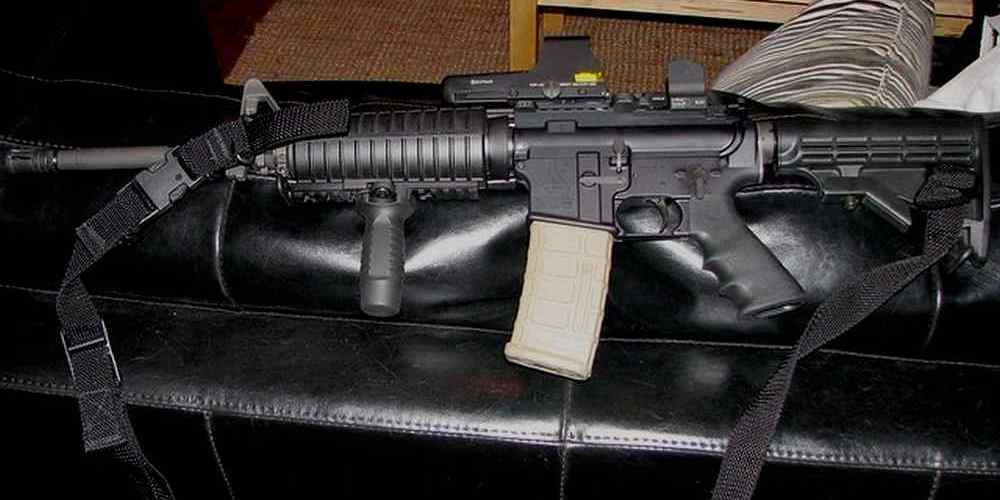
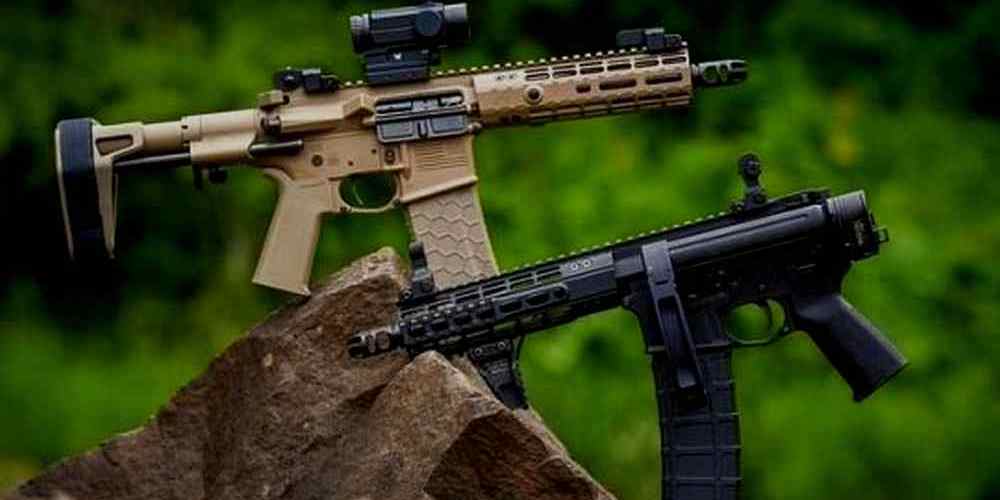
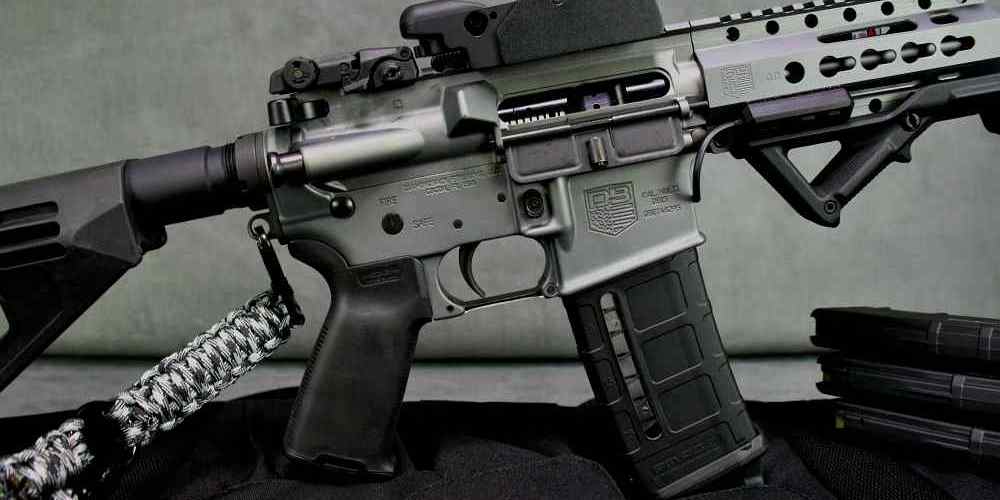
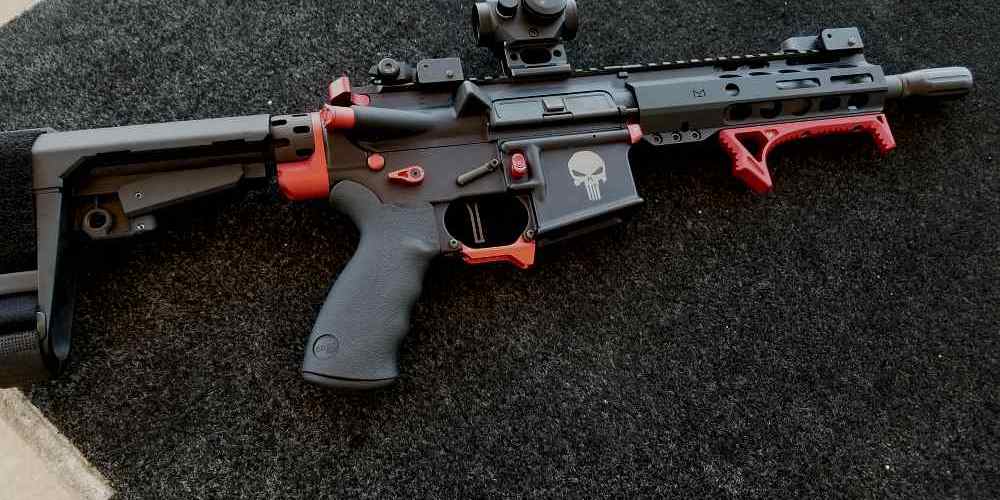
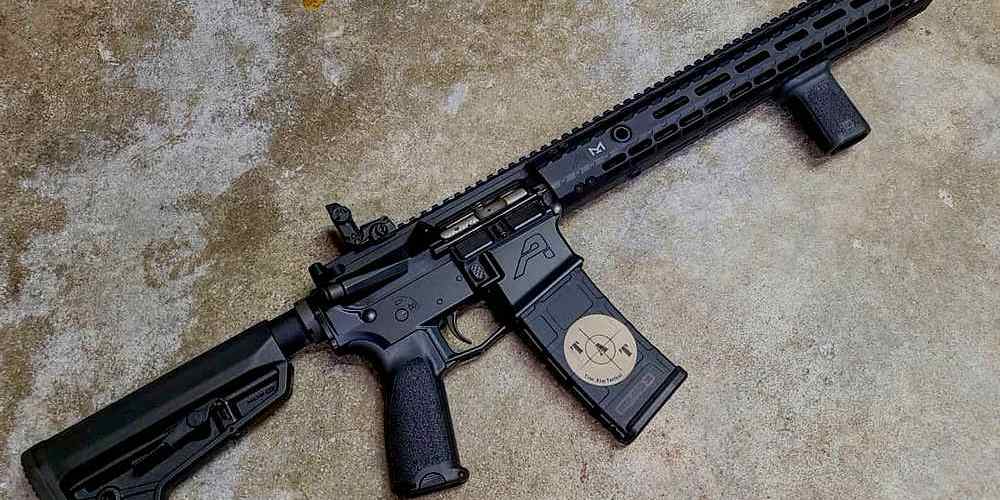
If you have ever shouldered an AR-15 and felt like the sight picture was just a little “off,” the problem may not be your shooting technique at all—it may be optic height. A small change in how high your optic sits above the receiver can make a surprisingly big difference in how naturally your face settles onto the stock. When the height is right, your cheek weld feels consistent, your head stays relaxed, and your sights or dot appear faster and more predictably. This is one of those simple setup details that can improve comfort and control almost immediately, especially for shooters who want a more repeatable rifle fit.
Why Optic Height Changes Your Cheek Weld
The cheek weld is the contact point between your face and the stock, and on an AR-15 it is heavily influenced by the rifle’s straight-line design. Unlike older sporting rifles with a more pronounced drop at the comb, the AR platform places the optic above the bore and often encourages a more upright head position. Because of that, even a small change in optic mount height can alter how much you have to lift or drop your head to find a clear sight picture. If the optic sits too low or too high for your stock length and facial structure, you may end up forcing your neck into an awkward position.

A proper optic height helps you mount the rifle the same way every time. That consistency matters for accuracy, speed, and comfort, whether you are practicing at the range, hunting, or setting up a defensive carbine. Many shooters discover that moving from a traditional low mount to a standard AR-height mount—or vice versa—immediately improves how naturally the rifle comes to the face. This is especially true with red dots, low-power variables, and magnified optics, where eye alignment and head position can make or break a fast, clean sight picture.
Historically, the AR-15 evolved around iron sights and carry-handle setups that placed the line of sight relatively high. Modern optics changed the equation, but the same ergonomic principles still apply. Today’s mounts come in several heights, including absolute co-witness, lower one-third co-witness, and taller “head-up” configurations. Each one shifts the relationship between your eye, stock, and optic, so choosing the right height is less about fashion and more about matching the rifle to the shooter. The best setup is the one that lets you get on target naturally without craning your neck or hunting for the dot.
Simple AR-15 Setup Tips for Better Fit
Start by shouldering the rifle with your normal stance and closed eyes, then open them to see where the optic lands. If you have to move your head up or down significantly, the mount height or stock position may need adjustment. A properly fitted rifle should feel like the optic is waiting for your eye, not the other way around. Small changes—like sliding an adjustable stock one position, changing from a low mount to a standard mount, or adjusting an offset comb pad—can noticeably improve your cheek weld without altering your shooting fundamentals.
It also helps to match optic height to the optic type and the way you use the rifle. Red dots often work well at common AR mount heights that allow a neutral head position, while magnified optics may benefit from a mount height that supports fast target acquisition and a comfortable scope view. If you run backup iron sights, consider whether you want absolute co-witness or lower one-third co-witness, since each affects how the sights line up in the window and how your cheek weld feels behind the optic. The goal is not to chase a trendy setup, but to find the height that gives you a stable, repeatable sight picture under realistic conditions.
Always make changes safely and test them responsibly. Confirm the firearm is unloaded before adjusting optics, stocks, or accessories, and verify that any mount is properly torqued and secured according to the manufacturer’s guidance. After any change, spend time dry-shouldering the rifle and then confirm the setup at the range with live fire in a controlled environment. A good cheek weld should reduce strain, improve consistency, and help you shoot more confidently—without sacrificing the safe, disciplined handling that every responsible owner should practice.
The “optic height trick” is really a fit-and-function lesson in disguise: when the rifle fits your body better, everything feels easier. By paying attention to mount height, stock position, and how naturally your face meets the rifle, you can improve cheek weld almost instantly and make your AR-15 more comfortable to run. It is a simple adjustment, but one that can pay off in better consistency, faster sight alignment, and a more confident shooting experience. For gun owners who value performance and responsibility, dialing in optic height is one of the smartest setup changes you can make.