A gritty AR-15 trigger after cleaning can be frustrating, especially when you expected the rifle to feel smoother, not rougher. In many cases, the issue is not a serious malfunction at all, but a combination of residue, lubrication, assembly details, or normal trigger wear that became noticeable once old fouling was removed. Understanding what changed during the cleaning process is the key to identifying whether the feel is harmless, fixable, or something that deserves a gunsmith’s attention.
For responsible firearm owners, this is one of those small but important maintenance questions that can affect confidence, consistency, and safety. A trigger that feels “gritty” may still function correctly, but it can undermine precision and make the rifle feel less predictable. The good news is that most causes are straightforward to check, and with a careful, safety-first approach, you can often restore a clean, consistent trigger feel without taking unnecessary risks.

Why Your AR-15 Trigger Feels Gritty After Cleaning
One of the most common reasons an AR-15 trigger feels gritty after cleaning is that cleaning removes the thin layer of fouling and oil that was unintentionally masking surface roughness. Before cleaning, carbon, old lubricant, and microscopic debris can act like a temporary filler, making the trigger feel smoother than it really is. Once that material is gone, you may suddenly notice the natural engagement between the hammer, trigger, pins, and sear surfaces more clearly than before.
Another factor is that not all “cleaning” leaves parts in the same condition. If the fire-control group was scrubbed aggressively, dried completely, and then reassembled with too little lubrication, metal-on-metal contact can feel more pronounced. AR-15 triggers are especially sensitive to the balance of cleanliness and lubrication, and while they do not need to be soaked, they do benefit from a light, appropriate lubricant on the moving engagement points. In some cases, over-cleaning can also remove protective oil from the pins and springs, making the mechanism feel dry and rough until it is properly lubricated again.
Historical AR-15 and M16-style fire-control systems were designed around serviceable, robust parts that function reliably under field conditions, but they were never meant to feel like finely polished match triggers out of the box. A standard mil-spec trigger often has a deliberate, functional break rather than a feather-light pull. So if the trigger now feels gritty after cleaning, it may be revealing the honest character of the parts rather than indicating damage. That said, if the feel includes obvious scraping, binding, or inconsistent reset, it is worth inspecting carefully for wear, incorrect assembly, or a part that is out of spec.
Common Causes and Safe Fixes to Check First
Before doing anything else, make sure the rifle is completely unloaded and safe to handle. Remove the magazine, clear the chamber, and visually and physically confirm the firearm is empty. If you are unsure about any part of the process, stop and consult the owner’s manual or a qualified gunsmith. Responsible maintenance starts with safety, and there is no reason to rush when diagnosing a trigger issue.
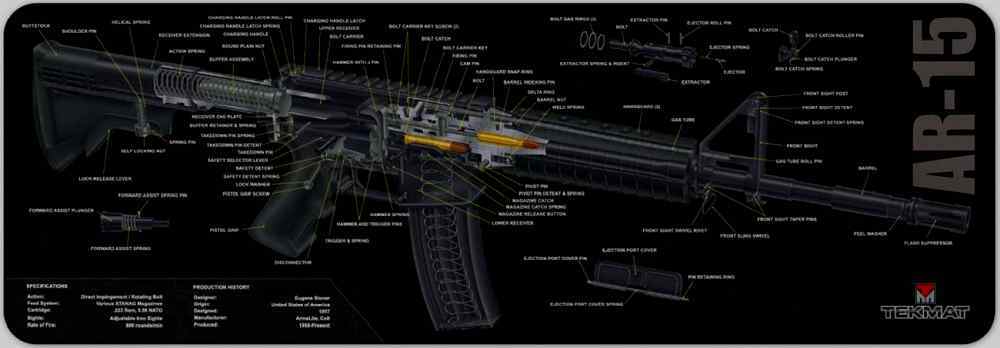
A simple first check is lubrication. Many gritty-feeling triggers improve immediately after a small amount of quality gun lubricant is applied to the hammer/trigger contact points, pivot pins, and other recommended areas. Use only enough to create a light film; excess oil can attract debris and create the same problem again later. While you are there, make sure the trigger and hammer pins are seated correctly, the disconnector is installed properly, and no spring is reversed or mispositioned. Even a small assembly mistake can make a trigger feel rough or inconsistent without causing a complete failure.
If lubrication and basic assembly checks do not solve the issue, inspect for wear, burrs, or damage on the fire-control components. A rough edge, chipped engagement surface, or bent spring can produce a gritty or dragging sensation that will not go away on its own. It is also worth considering whether the trigger itself is simply a basic factory unit that feels more noticeable once it is clean. Many owners upgrade to a quality trigger assembly from a reputable manufacturer when they want a smoother, more consistent pull for target shooting, hunting, or defensive use. If you choose to replace parts, stick with trusted brands, follow all laws and manufacturer guidance, and confirm proper function before live fire.
A gritty AR-15 trigger after cleaning is often a clue, not a crisis. In many rifles, the cause is simply the removal of fouling that had been masking a dry or rough trigger assembly. With careful inspection, correct lubrication, and attention to proper reassembly, you can usually restore a smoother feel and better confidence in the rifle’s operation.
The important part is to approach the issue methodically and safely. Always verify the firearm is unloaded, avoid guesswork with fire-control parts, and do not force components that seem out of place. If the trigger remains rough after basic troubleshooting, a professional gunsmith can help determine whether the problem is normal wear, a defective part, or a setup issue that needs correction. Responsible ownership means knowing when to maintain, when to replace, and when to seek expert help.