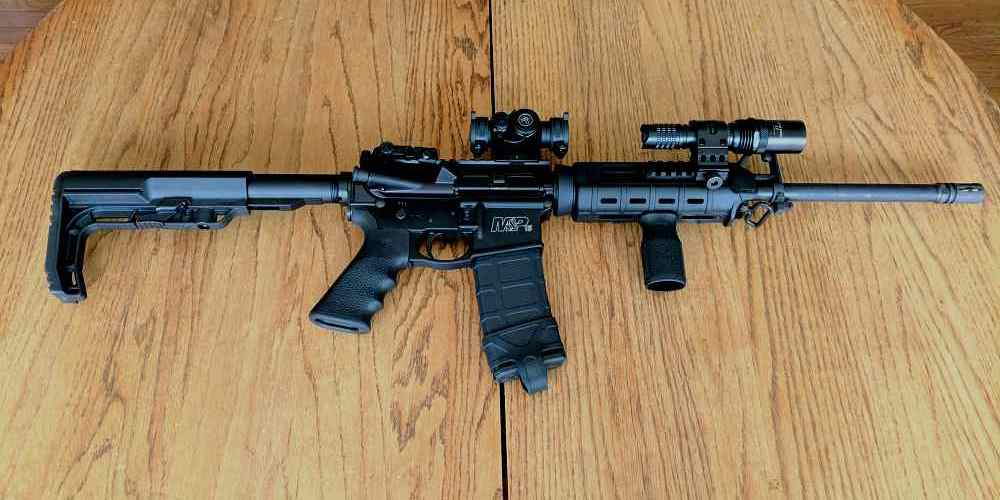
When an AR-15 starts throwing its groups as the barrel gets hot, it can be frustrating and a little puzzling—especially if the rifle seemed perfectly zeroed just a few magazines earlier. The good news is that this behavior is usually explainable, and in many cases, manageable. Heat changes the way metal behaves, how parts interact, and sometimes even how the shooter perceives the rifle. Understanding those changes helps you diagnose whether you’re seeing normal thermal shift, an equipment issue, or a setup problem that needs attention. As always, any range testing should be done safely, legally, and with proper eye and ear protection. ===
Why Barrel Heat Changes Your AR-15’s Accuracy
As a barrel heats up, it expands. That expansion may be tiny, but on a rifle built around precision tolerances, tiny matters. The barrel can flex slightly as temperatures rise, and the point of impact may move because the harmonic behavior of the barrel changes. In simple terms, each shot causes the barrel to vibrate, and as heat builds, those vibrations can shift enough to alter where rounds land. This is why a cold-bore zero and a hot-barrel zero are not always identical.

AR-15s are especially sensitive to the relationship between the barrel, handguard, gas system, and any accessories mounted to the rifle. If something touches the barrel that shouldn’t—such as a pressure point from a handguard, sling, bipod, or poorly fitted accessory—the effect of heat can become more noticeable. The rifle may print a tight group early on, then start walking shots as thermal expansion changes the way those parts interact. Even the type of barrel profile matters: lighter barrels heat faster and tend to shift more than heavier profiles.
There’s also a practical reality to consider: as the rifle warms, fouling builds, lubricant behaves differently, and the shooter may get less consistent. A hot barrel can make mirage more visible, especially with optics, which can create the impression of more movement than there really is. That doesn’t mean barrel heat is “fake” as a cause—it just means it often works together with other variables. In responsible marksmanship, it’s useful to separate true mechanical shift from shooter-induced variation by testing from a stable rest and recording group location over a controlled string of fire.
Common Causes of Shifting Groups and How to Fix It
One of the most common causes of shifting groups is barrel contact. Free-floated barrels are designed to avoid pressure from the handguard or accessories, but not every rifle is perfectly set up that way. If the barrel touches the gas block, handguard, or a mounting point under heat, even slightly, the point of impact can wander. The fix is to inspect the rifle carefully and make sure the barrel is truly free-floated, the handguard is properly installed, and nothing is torqued against the barrel assembly. If you’re unsure, a qualified gunsmith can confirm whether the setup is contributing to the problem.
A second issue is ammunition. Different loads produce different pressures, velocities, and barrel temperatures, which can change how a rifle groups as it heats up. Some ammunition is simply more consistent than others, and inconsistent powder charges or bullet weights will make heat-related shifts look worse. To troubleshoot, test with quality ammo from the same lot, then compare results with a different load. For practical use, many shooters find that a rifle “likes” one bullet weight or brand far more than another, and the same rifle may show less heat-related wandering with a load that matches its barrel twist and chamber well.
Finally, don’t overlook the basics: proper torque on the barrel nut and optic mounts, a stable optic zero, and a clean but not over-lubricated rifle all matter. A loose optic can mimic a heat problem, and a poorly mounted scope or red dot can shift under recoil and temperature changes. Keep records of when the shift starts, how many rounds it takes, and whether it moves in a consistent direction. That kind of data is invaluable. If you’re building or upgrading an AR-15, choosing a quality barrel, a true free-float handguard, and well-made mounting hardware can reduce the chances of heat-induced point-of-impact changes and improve confidence in the rifle for sport, hunting, or defensive use.
Heat-related group shift is a normal part of how rifles behave, but it’s not something you have to guess about. By understanding barrel expansion, vibration, and the role of accessories and ammunition, you can separate expected thermal behavior from real mechanical issues. Careful testing, good maintenance, and a properly assembled rifle go a long way toward keeping your AR-15 predictable. Above all, take the time to verify your zero, train responsibly, and maintain your firearm in a way that supports safe, legal, and accurate shooting. ===