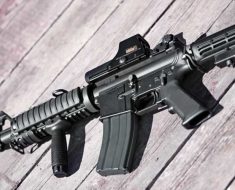
Recoil is a constant force in any firearm, and over time it can reveal weaknesses in even a well-built setup. For shooters who care about consistency, accuracy, and durability, the handguard is more than just a place to grip or mount accessories—it is a critical structural component that must stay put through repeated firing. When a handguard shifts, even slightly, it can affect optics, lights, laser alignment, accessory placement, and overall confidence in the rifle. That is why the mounting method matters just as much as the handguard itself.
How Recoil Can Shift a Handguard Over Time
Recoil does not usually rip a properly installed handguard loose in a single moment. Instead, it works gradually, sending repeated shock through the rail, barrel nut, screws, and locking interfaces. If the mounting system relies on friction alone or has insufficient engagement with the upper receiver, tiny movements can accumulate until the handguard begins to walk, rotate, or loosen. This is especially noticeable on rifles that see frequent range use, hard training, or the addition of heavier accessories.

Heat also plays a major role. As a firearm cycles, the handguard and surrounding components expand and contract at different rates. That thermal cycling can reduce clamping force over time if the design is not robust. Hunters who sight in before season, defensive shooters who train regularly, and enthusiasts who run higher round counts all benefit from understanding that recoil and heat work together to test a mounting system’s long-term stability.
Another factor is accessory load. Lights, lasers, bipods, and foregrips add leverage and torque, especially when mounted toward the front of the handguard. If the handguard is not securely anchored, these accessories can magnify movement under recoil or when the rifle is carried, barricade-supported, or bumped in the field. For responsible firearm owners, the lesson is simple: the handguard should be mounted with a method that resists both recoil and real-world handling, not just a method that feels tight on day one.
A Mounting Method That Locks In Zero Stability
The most reliable approach is a mounting system that mechanically indexes the handguard to the upper receiver and locks it with a solid barrel nut interface. In practical terms, that means the handguard should not depend on friction alone. Instead, it should use a precise fit over a properly installed barrel nut, with anti-rotation tabs, multiple cross-bolts, or a clamp design that distributes force evenly around the nut. This kind of design creates a more secure lockup and helps keep the handguard aligned even under repeated recoil.
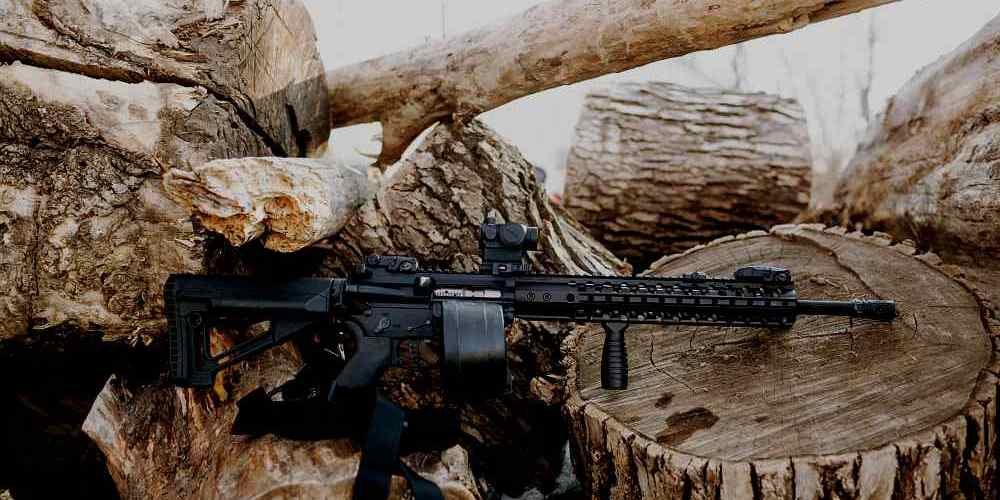
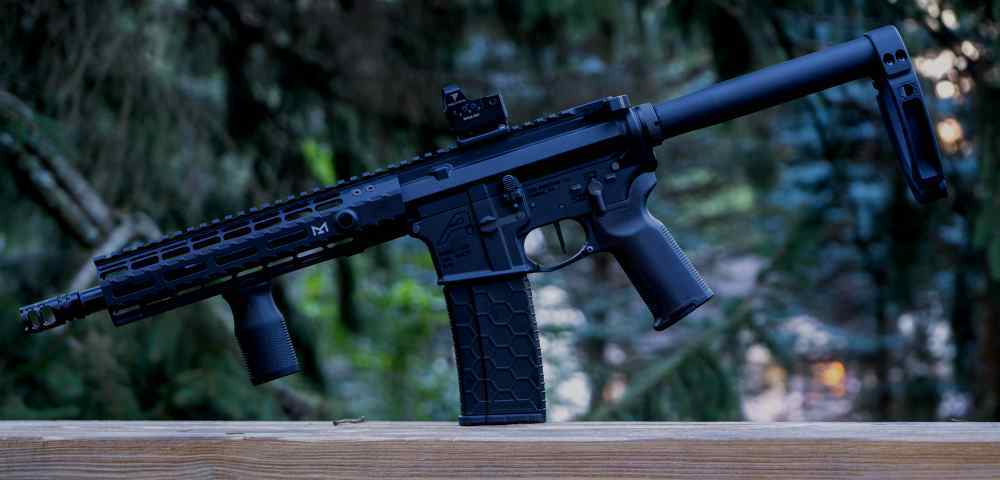
A well-executed free-float handguard system is especially valuable because it isolates the barrel from external pressure while providing a stable platform for accessories. By avoiding contact with the barrel or gas system, the handguard reduces the chance that sling tension, grip pressure, or accessory weight will influence point of impact. That stability is one reason free-float systems became so popular among precision shooters, duty users, and serious recreational shooters alike. Proper installation still matters, of course: even the best design can be compromised by poor torque, incorrect alignment, or skipped thread treatment where the manufacturer specifies it.
For the best results, follow the manufacturer’s installation instructions exactly and use quality tools rather than guessing. Check for full engagement of locking surfaces, verify that the handguard does not rotate under hand pressure, and inspect fasteners periodically after shooting sessions. It is also wise to recheck the setup after the first range trip, since initial heat cycles can reveal any settling that needs attention. Responsible ownership includes routine maintenance, and that applies just as much to mounting hardware as it does to cleaning and lubrication.
The handguard mounting method you choose has a direct impact on reliability, consistency, and confidence behind the rifle. A secure, mechanically indexed system resists recoil-induced movement far better than a loose or purely friction-based setup, helping preserve zero and keep accessories where they belong. For hunters, defensive shooters, and enthusiasts alike, the goal is not just a sleek-looking build—it is a durable, safe, and dependable firearm that performs the same way every time you need it to.