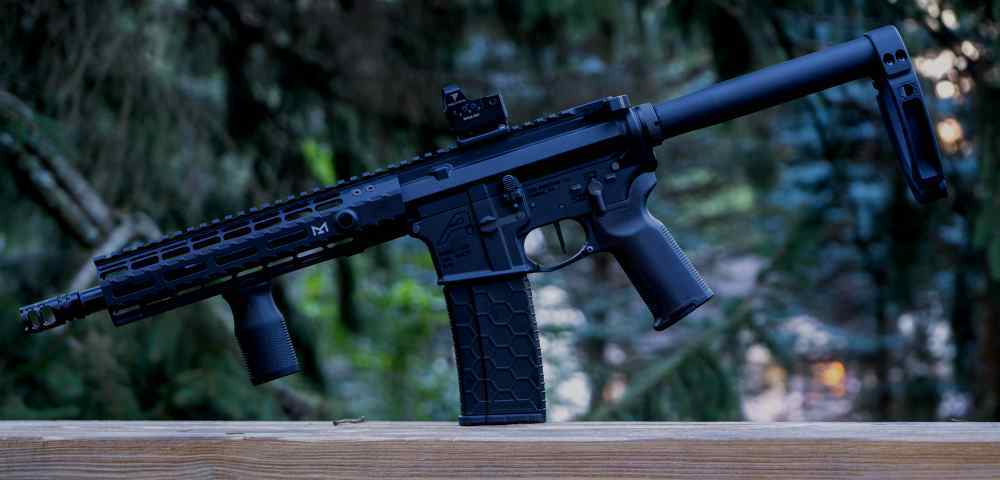
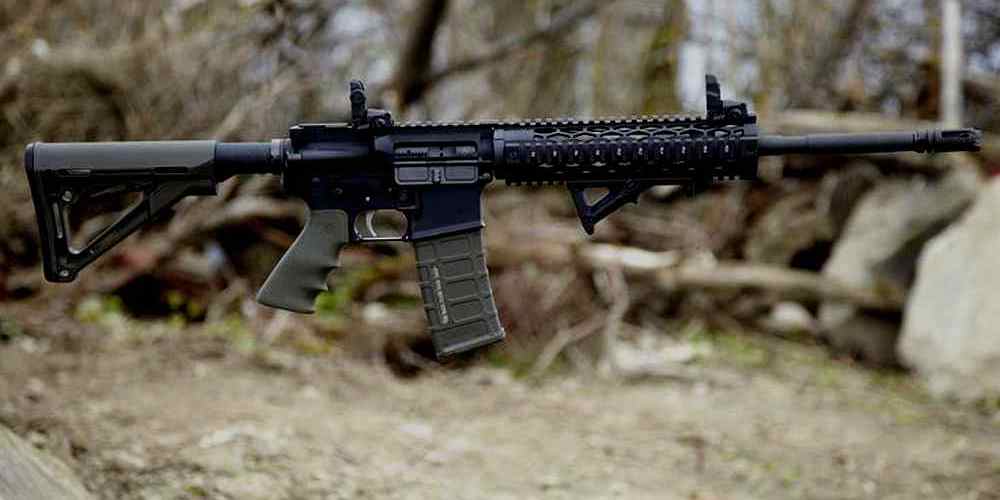
The AR-15 platform has always inspired strong opinions, and few accessories stir up more debate than the muzzle brake. Many shooters assume that any brake will reduce recoil and make the rifle easier to control. In practice, that assumption can be wrong. Some AR-15 muzzle brakes do the opposite of what buyers expect, adding sharpness, blast, and even the feeling of more recoil if the design, porting, or installation is poor. For responsible gun owners, understanding why this happens is just as important as knowing how to choose the right part for your rifle.
Why Some AR-15 Muzzle Brakes Add Recoil
A muzzle brake works by redirecting expanding gases to counteract rearward movement, but not all brakes manage that energy well. On an AR-15, the gas system, rifle weight, buffer setup, and caliber already influence recoil impulse. If a brake is poorly designed, it can redirect gas in a way that creates more blast against the shooter and bystanders without meaningfully reducing rearward force. In some cases, the sharper concussion makes the rifle feel harsher, even when the raw physics say the actual recoil impulse has changed only a little.

The biggest myth is that more aggressive porting automatically means better control. A brake with large side ports may reduce muzzle rise, but it can also create a violent lateral blast that makes rapid fire less comfortable and follow-up shots harder to manage in real-world use. For hunters, range shooters, and defensive users alike, comfort matters. If a brake is unpleasant enough to cause flinching, head movement, or a reluctance to train, it has effectively increased the practical recoil experience even if it performs well on paper.
Installation and ammo choice also play a major role. A brake mounted off-center, timed incorrectly, or paired with ammunition that produces a different pressure curve than expected can behave unpredictably. Lighter bullets, hotter loads, and short-barreled AR-15s often produce more muzzle pressure, which can make an already loud brake feel even more punishing. That is why experienced shooters often evaluate a brake not just for recoil reduction, but for balance, noise, blast direction, and how it behaves during actual shooting sessions—not just in marketing claims.
How to Spot the Brake That Hurts Control
The first warning sign is excessive side blast. If a brake throws gas sharply outward without enough upward or rearward compensation, it may keep the muzzle flat on paper but make the rifle feel harder to shoot well in practice. A good AR-15 brake should help the sights return quickly without punishing the shooter or those standing nearby. If everyone at the line notices the concussion before they notice the recoil improvement, that’s usually a sign the design is optimized more for spectacle than for practical control.
Another clue is how the rifle behaves during strings of fire. A brake that is too aggressive may reduce muzzle climb but introduce more sight disruption from blast, muzzle noise, or vibration. Instead of producing a smooth return to target, it can make the rifle feel busy and abrupt. Responsible owners should test any brake in a safe range environment, using proper eye and ear protection, and compare it against a bare muzzle or a compensator that is known for softer behavior. The best choice is the one that helps you shoot accurately and consistently, not the one that looks the most tactical.
Finally, pay attention to purpose. A rifle used for home defense, field carry, or general training may benefit from a milder brake, flash hider, or hybrid design rather than an extreme competition-style muzzle device. Legal compliance matters too, since muzzle device rules can vary by jurisdiction and by rifle configuration. For that reason, it is smart to consult current local laws and, when needed, a qualified gunsmith before installing or changing a device. The right brake should make the AR-15 easier to manage, safer to use, and more suited to the shooter’s real-world needs—not create the illusion of performance while making control worse.
The idea that every muzzle brake improves recoil control is one of the most persistent myths in the AR-15 world. In reality, a brake can absolutely make a rifle feel harsher if it produces excessive blast, poor timing, or an imbalance between recoil reduction and shootability. Understanding that tradeoff helps owners make smarter, safer choices.
For responsible shooters, the goal is not the loudest rifle or the most aggressive-looking part. It is a setup that fits the mission, supports accurate shooting, and remains comfortable enough for regular training. When chosen carefully, a well-designed muzzle device can improve control. When chosen poorly, it can do the opposite—and that is a lesson every AR-15 owner should keep in mind.