Understanding the Use of Force Laws in Self-Defense
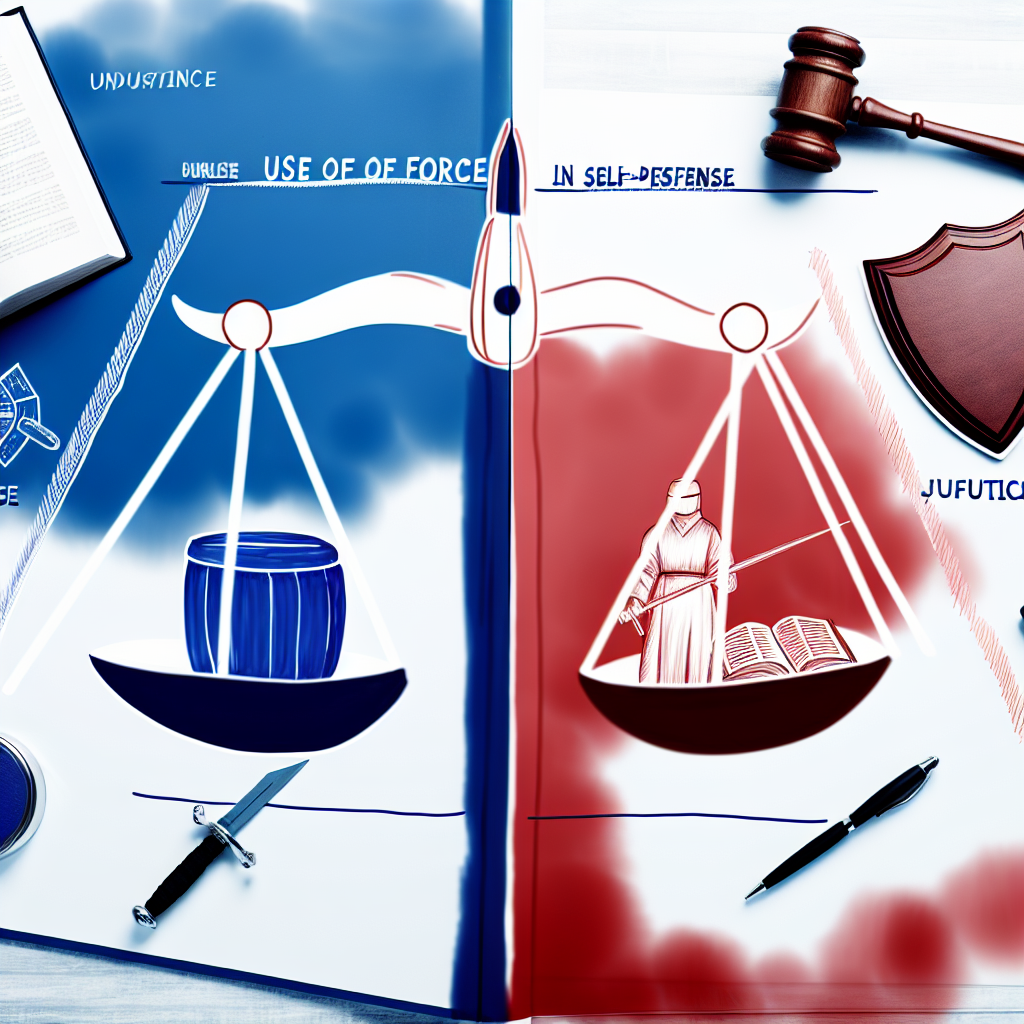
Self-defense is a fundamental human right recognized in legal systems around the world. However, the concept of using force to protect oneself or others is often misunderstood, leading to legal complications and serious consequences. This article aims to provide a comprehensive overview of the use of force laws in self-defense, explaining when and how force can be legally applied, the limitations involved, and real-world examples that illustrate these principles.
What Are Use of Force Laws?
Use of force laws govern the circumstances under which an individual may legally apply physical force against another person. These laws are designed to balance the right to protect oneself with the need to prevent unnecessary violence and abuse.
In general, use of force laws specify:
- The types of force that are permissible (e.g., non-lethal vs. lethal).
- The conditions under which force can be used (e.g., imminent threat, defense of property).
- The legal justification required for using such force.
Understanding these laws is crucial because improper use of force can lead to criminal charges such as assault or manslaughter, even if the intent was self-defense.
Principles Governing Use of Force in Self-Defense
The foundation of use of force laws lies in several key principles that must be satisfied for an act to qualify as lawful self-defense:
- Imminence: The threat must be immediate and unavoidable. Force cannot be used preemptively or as retaliation after an attack has ended.
- Proportionality: The level of force used must be proportional to the threat faced. Excessive force beyond what is necessary can negate a self-defense claim.
- Necessity: Force should only be used when there are no reasonable alternatives such as retreat or escape, unless exceptions apply.
- Reasonableness: The defender’s belief in the threat and their response must be judged from a reasonable person’s perspective under similar circumstances.
These principles serve as the benchmark for courts when evaluating self-defense claims. They help ensure that individuals do not misuse self-defense as a justification for violence.
Types of Force: When Can Lethal Force Be Used?
The spectrum of permissible force ranges from minimal physical contact to deadly force. Most jurisdictions categorize use of force into two main types: non-lethal (or less-lethal) and lethal.
- Non-lethal Force: Includes physical restraint, pushing, blocking, or using pepper spray or tasers. This level is generally acceptable when defending against minor threats or protecting oneself from harm that does not threaten life or serious injury.
- Lethal Force: Refers to any action that could potentially cause death or serious bodily harm, such as shooting someone with a firearm or striking with a deadly weapon.
Lethal force is typically justified only under very specific circumstances where there is a reasonable belief that it is necessary to prevent death or serious bodily injury. For example, many U.S. states follow the “castle doctrine,” allowing individuals to use lethal force without retreating when defending themselves inside their own homes.
Case Study: In the landmark case of Tennessee v. Garner (1985), the U.S. Supreme Court ruled that police officers may not use deadly force against fleeing suspects unless they pose a significant threat of death or serious injury to others. This decision reflects how lethality is tightly regulated even for law enforcement.
The Legal Variations Across Jurisdictions
Laws governing use of force vary widely between countries and even among states within countries. Some key variations include:
- Duty to Retreat vs. Stand Your Ground:
In some jurisdictions, individuals have a duty to retreat—meaning they must try to avoid confrontation by escaping if it’s safe before using force. Conversely, “stand your ground” laws remove this obligation and allow individuals to defend themselves without retreating when faced with threats anywhere they have a lawful right to be.
- The Castle Doctrine:
This doctrine generally permits people to use reasonable or even lethal force without retreating inside their homes or sometimes vehicles against intruders who unlawfully enter with intent to harm.
- Civil Immunity Provisions:
Certain states provide civil immunity protections for individuals who lawfully defend themselves, shielding them from lawsuits filed by attackers or their families after a self-defense incident.
This diversity means that understanding local laws is critical before assuming any course of action during confrontations.
Real-World Examples and Statistics on Use of Force in Self-Defense
The application of use-of-force laws can have profound real-world consequences both legally and socially. Here are some illustrative examples and relevant data points:
- The Zimmerman Case (2012): George Zimmerman’s shooting death of Trayvon Martin sparked intense debate over Florida’s “stand your ground” law. Zimmerman claimed self-defense under this law and was acquitted, highlighting how legal interpretations can vary based on evidence and jurisdictional statutes.