How to Conduct Tactical Drills with a Partner
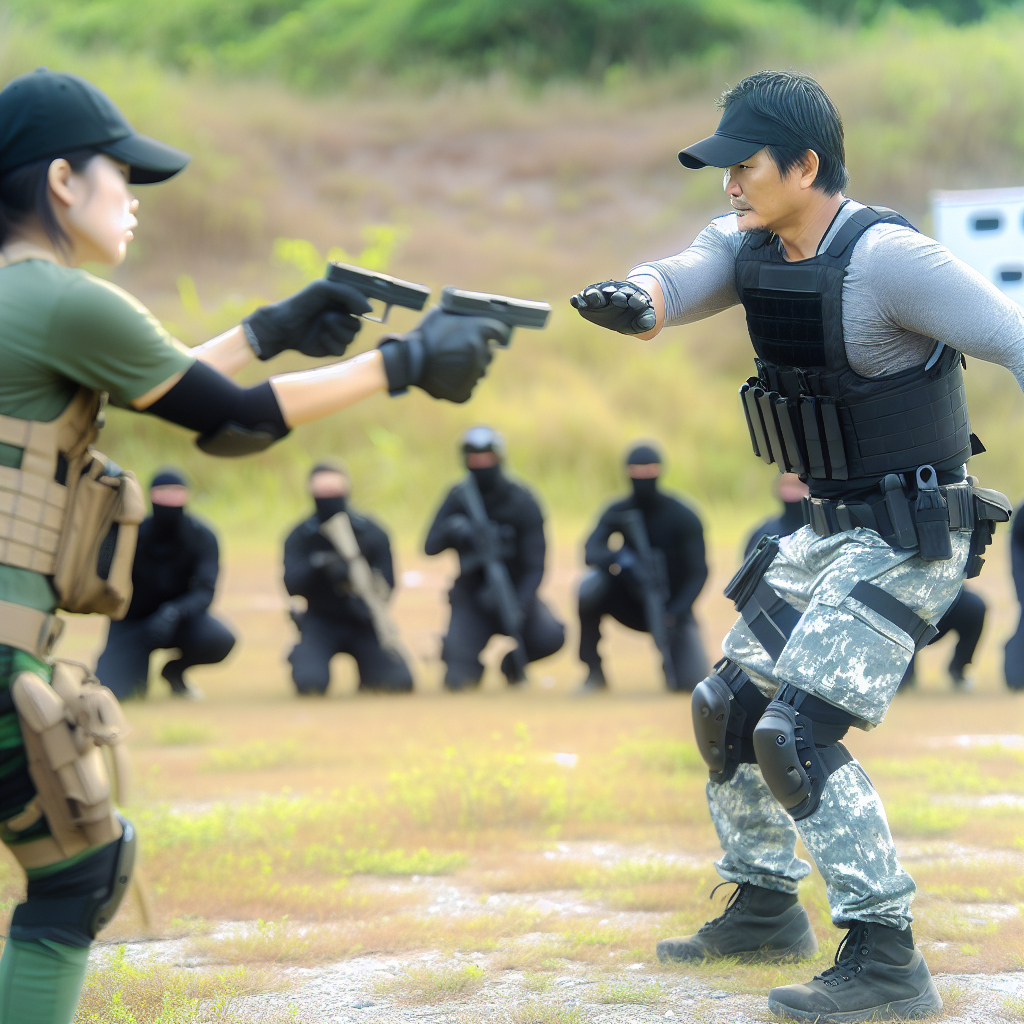
In the realm of tactical training—whether for law enforcement, military personnel, or even civilian self-defense enthusiasts—the ability to execute drills effectively with a partner is crucial. Partner drills not only simulate real-life scenarios more accurately but also foster teamwork, communication, and mutual trust. This article delves into the essential aspects of conducting tactical drills with a partner, providing practical guidance, valuable insights, and evidence-based techniques that can elevate your training regimen.
Understanding the Importance of Partner-Based Tactical Drills
Tactical drills performed solo can build individual skills such as marksmanship, movement, and decision-making under pressure. However, most real-world situations involve interaction with others—whether teammates or adversaries. Practicing with a partner introduces variables that single-person drills cannot replicate.
According to a 2020 study by the Journal of Law Enforcement Training, partner-based tactical exercises improve situational awareness and reduce response times by up to 25% compared to solo drills. This improvement stems from the dynamic interplay between partners, which creates unpredictable challenges and encourages adaptive thinking.
- Enhanced Communication: Partners must communicate clearly and effectively to succeed.
- Realistic Scenario Simulation: Partners can role-play opposing forces or support roles.
- Shared Learning: Partners provide feedback and help identify mistakes.
- Teamwork Development: Builds trust and coordination critical in tactical operations.
Therefore, incorporating partner drills into your training routine is indispensable for anyone serious about tactical proficiency.
Setting Up for Success: Preparing for Partner Tactical Drills
The foundation of effective partner drills lies in proper preparation. Without adequate planning and clear objectives, drills can become disorganized or counterproductive. Here are key preparatory steps to ensure productive sessions:
- Select Clear Objectives: Define what skills or scenarios you want to focus on—e.g., room clearing, cover and movement, weapon retention.
- Establish Safety Protocols: Safety is paramount when working with partners. Agree on rules such as ceasefire commands, safe distances, and emergency signals.
- Create a Controlled Environment: Use training facilities or designated safe areas where distractions are minimized and risks are managed.
- Gather Appropriate Equipment: This may include training firearms (such as airsoft guns or Simunition), protective gear, communication devices, and timing tools.
- Discuss Roles & Responsibilities: Decide who will play which role in each drill—offensive operator, defender, observer—to maximize learning outcomes.
A case study from the U.S. Army’s Combatives School highlights how their success in partner-based exercises heavily depends on clear pre-drill briefings that outline goals and safety measures. Without this clarity, students reported confusion and decreased effectiveness during exercises.
Key Types of Tactical Drills to Practice with a Partner
Tactical training encompasses many domains; some drills are particularly well-suited for partner execution. Below are several categories along with examples:
1. Communication & Coordination Drills
The backbone of any team operation is communication. These drills help partners practice verbal commands, hand signals, and non-verbal cues under stress.
- Silent Movement Drill: Partners navigate an obstacle course using only hand signals to simulate stealth operations.
- Tactical Radio Use: One partner directs the other via radio communication through a scenario involving multiple threats.
2. Offensive & Defensive Maneuvers
This category focuses on how partners work together during attack or defense scenarios—such as room clearing or vehicle assault/egress.
- Breach & Clear Drill: One partner breaches a door while the other covers entry points; both coordinate movements inside the room.
- Cover & Move Drill: Partners alternate covering each other’s movement across an open field under simulated threat conditions.
3. Weapon Handling & Retention Drills
Tactical scenarios often involve close-quarters engagements where weapon retention becomes critical.
- Weapon Retention Drill: One partner attempts to disarm while the other practices retaining control under pressure safely.
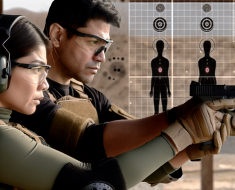
- Shooting Positions Drill: Partners practice shooting from unconventional positions (kneeling behind cover) while communicating target acquisition data.
4. Medical & Rescue Drills
A critical aspect often overlooked is casualty care under fire or rescue operations requiring team coordination.
- Tactical Combat Casualty Care (TCCC): One partner simulates injury while the other performs medical interventions under simulated hostile conditions.
- Medevac Extraction Drill: Practice moving a wounded partner safely out of danger zones while maintaining situational awareness.
The Role of Feedback and Debriefing in Partner Drills
No tactical drill is complete without reflection and feedback. Constructive debriefs allow partners to identify mistakes, reinforce good habits, and refine strategies for future engagements. The U.S.
Marine Corps emphasizes the importance of continuous improvement through these debriefing sessions.
Incorporating these drills into your training regimen can significantly enhance your tactical skills and teamwork.