How to Use Tactical Gear for Disaster Preparedness
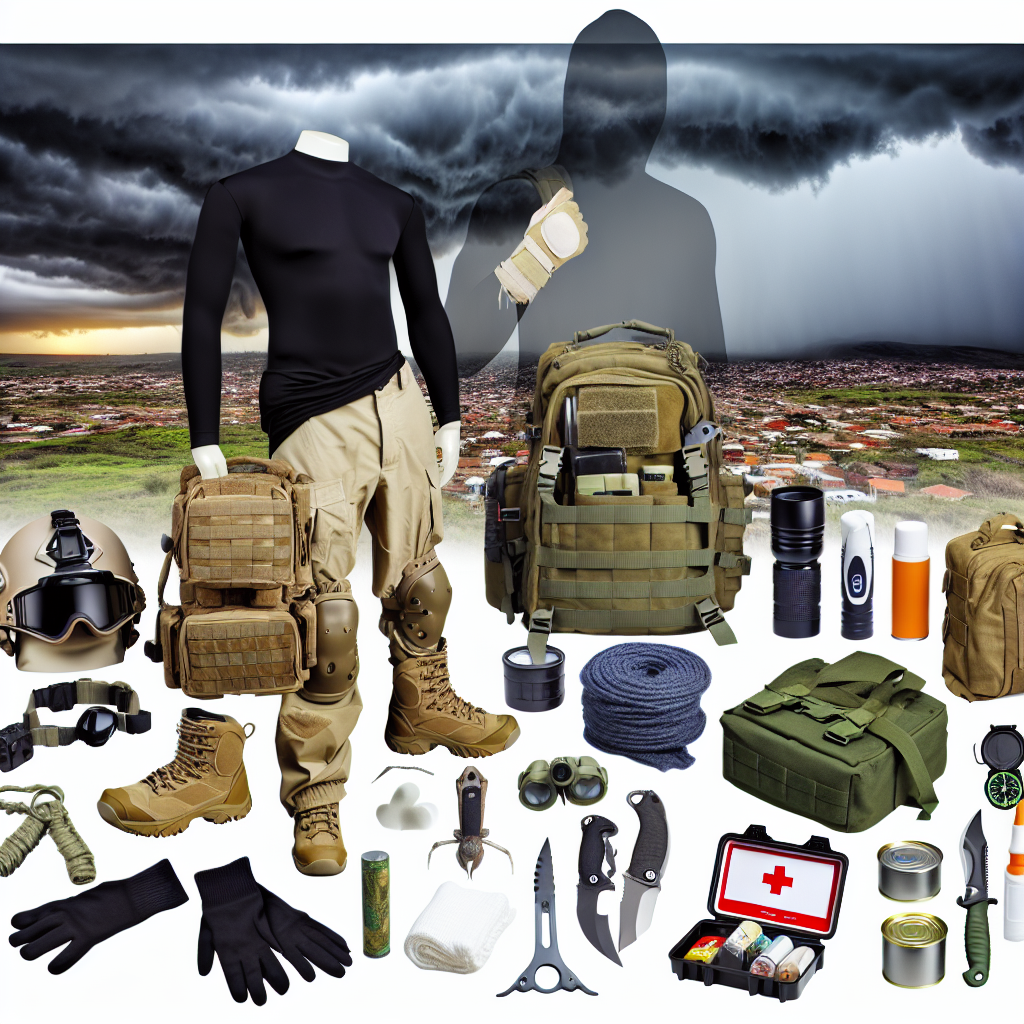
In an unpredictable world, disaster preparedness is more critical than ever. Natural disasters, pandemics, and civil unrest can strike with little warning, making readiness essential for survival and safety. Tactical gear, originally designed for military and law enforcement professionals, has become increasingly popular among civilians as a reliable and versatile means of preparing for emergencies. This article explores how to effectively use tactical gear for disaster preparedness, providing valuable insights, practical tips, and real-world examples to help you build a robust survival kit.
Understanding Tactical Gear: What It Is and Why It Matters
Tactical gear encompasses a wide range of equipment designed for durability, utility, and efficiency in high-stress situations. From backpacks to clothing to multi-tools, these items are engineered to withstand harsh environments while providing essential functions that can be life-saving during disasters.
The significance of tactical gear in disaster preparedness lies in its versatility and reliability. Unlike ordinary outdoor or camping gear, tactical equipment often includes features such as reinforced materials, modular attachments (like MOLLE systems), and ergonomic designs tailored for quick access and ease of use.
For example:
- Tactical backpacks offer multiple compartments and hydration compatibility.
- Multi-tools combine several functions like knives, screwdrivers, and pliers into one compact device.
- Durable clothing often includes water resistance, flame retardance, or camouflage properties.
Incorporating tactical gear into your disaster preparedness plan ensures you have reliable tools that improve your chances of overcoming challenging situations effectively.
Selecting Essential Tactical Gear for Disaster Preparedness
Choosing the right tactical gear depends on the type of disaster you anticipate and your specific needs. However, some core items are universally recommended for almost any emergency scenario:
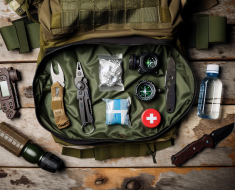
- Tactical Backpack (Bug-Out Bag): A well-equipped bug-out bag is your lifeline during evacuation. It should be lightweight yet spacious enough to carry essentials such as food, water, first aid kits, and communication devices.
- Multi-Tool: Versatile tools like Leatherman or Gerber provide cutting edges, pliers, screwdrivers, and more—crucial when repairing equipment or preparing shelter.
- Flashlight/Headlamp: High-lumen LED flashlights or headlamps with rechargeable batteries ensure visibility in power outages or low-light conditions.
- Tactical Clothing: Durable pants and jackets made from ripstop fabric protect against environmental hazards. Consider layering systems that offer insulation and moisture-wicking properties.
- Protective Gloves: Heavy-duty gloves protect hands during debris clearing or handling rough materials.
- First Aid Kit: A comprehensive kit with trauma supplies tailored to your environment is indispensable.
- Hydration System: Tactical hydration packs enable hands-free drinking while on the move.
A case study conducted by the Red Cross found that individuals equipped with tactical backpacks containing multi-functional tools were able to sustain themselves longer during natural disasters like hurricanes and earthquakes compared to those with standard backpacks. This highlights the importance of selecting appropriate gear tailored for emergencies.
Practical Tips on Using Tactical Gear Effectively During Disasters
Packing tactical gear is only part of the equation; knowing how to use it efficiently under stress is vital. Here are practical tips to maximize the effectiveness of your tactical equipment during a disaster:
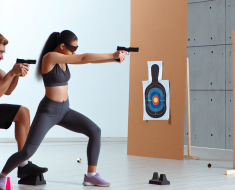
- Regular Training & Drills: Familiarize yourself with every item in your kit through regular practice sessions. For instance, practice assembling shelters using paracord or using multi-tools to prepare food or repair clothing.
- MOLLE System Utilization: Many tactical bags feature MOLLE (Modular Lightweight Load-carrying Equipment) webbing which allows you to attach pouches or accessories externally. Customize your pack by adding first aid pouches or extra ammo holders for easy access.
- Laying Out Your Gear Strategically: Organize items so that critical tools like knives or flashlights are accessible without unpacking everything. Use color-coded compartments if necessary.
- Water Purification Tools Usage: Carry compact filters or purification tablets included in some tactical kits. Knowing how to quickly purify water can prevent dehydration—a leading cause of death in disasters per WHO statistics.
- Tactical Communication Devices: Radios or signal mirrors integrated into gear can facilitate communication when cell networks fail.
A well-documented example comes from the aftermath of Hurricane Katrina (2005), where responders equipped with tactical radios could coordinate rescue efforts more efficiently than those relying solely on mobile phones. Their ability to communicate across different teams saved numerous lives by speeding up assistance delivery times.
The Role of Tactical Clothing in Enhancing Safety and Mobility
Tactical clothing offers more than just protection; it enhances mobility and comfort during extended disaster scenarios. Unlike regular clothes that might tear easily or restrict movement under pressure, tactical apparel incorporates features designed specifically for resilience and adaptability.
The benefits include:
- Pocket Utility: Multiple pockets allow carrying small tools without cluttering hands or bags.
-
More importantly, these pockets are strategically placed for easy access, enabling quick retrieval of essential items during critical moments.
Incorporating tactical gear into your disaster preparedness plan can significantly enhance your safety and efficiency in emergencies.