How to Train for Tactical Situations in Your Backyard
In an unpredictable world, being prepared for tactical situations—whether for self-defense, emergency response, or professional readiness—has become increasingly important. While many associate tactical training with specialized facilities or professional ranges, your backyard can be an effective and convenient environment to develop essential skills. This article will guide you through practical and safe ways to train for tactical scenarios at home, emphasizing realistic exercises, safety protocols, and progressive skill-building.
Understanding the Importance of Tactical Training at Home
Tactical training involves developing skills that prepare individuals for high-pressure situations such as home defense, law enforcement operations, or survival scenarios. Many people believe that such training requires complex setups or professional instructors; however, with proper planning and discipline, you can create a meaningful training regimen in your own backyard.
According to a 2022 study by the National Safety Council, over 40% of home intrusions happen during evening hours when residents are less alert. This statistic highlights the need for readiness in personal spaces. By practicing in your backyard, you can simulate real-world environments where threats might occur.
- Convenience: No need to travel; consistent practice is easier.
- Customization: Tailor drills to your specific living situation and threats.
- Privacy: Train discreetly without distractions or interruptions.
Before diving into physical exercises or weapon handling, it’s crucial to assess your backyard space and ensure safety measures are in place. This foundation will allow you to maximize the benefits of your training sessions.
Preparing Your Backyard for Tactical Training
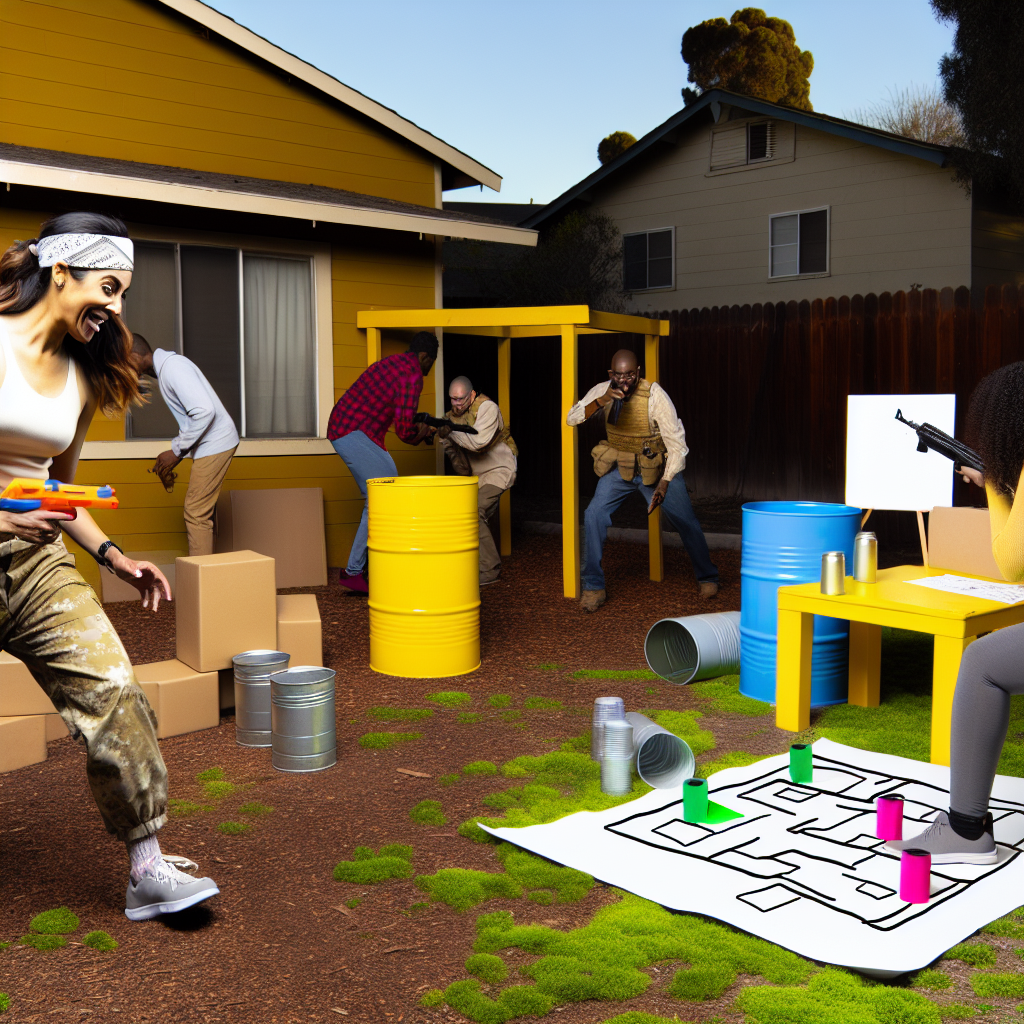
Your backyard’s layout will determine which tactical drills are feasible and how you can organize them effectively. Preparation should focus on safety, space optimization, and realistic scenario creation.
- Clear the Area: Remove obstacles such as garden tools, furniture, or debris that could cause injury during movement drills.
- Create Boundaries: Use cones, tape, or markers to define training zones for different exercises like shooting lanes or cover areas.
- Set Up Targets: Install paper targets on wooden frames or use steel targets if local laws permit. Consider reactive targets like poppers or balloon targets for dynamic feedback.
- Safety Barriers: If practicing with firearms or airsoft/paintball guns, set up backstops using thick plywood or ballistic-rated materials to prevent stray shots.
- Lighting Conditions: Practice under various lighting scenarios by adding portable lights or blackout curtains to mimic nighttime conditions.
A case study from a tactical instructor based in Texas revealed that trainees who customized their backyard environments reported a 30% increase in skill retention compared to those who only trained indoors. The realism added by environmental familiarity boosts muscle memory and decision-making under pressure.
Tactical Drills You Can Perform in Your Backyard
The core of tactical training is consistent practice of fundamental skills. Below are several exercises tailored for backyard execution that cover movement, shooting accuracy, decision-making, and situational awareness.
1. Movement and Positioning Drills
Tactical movement emphasizes speed and stealth while using available cover effectively. In your backyard:
- Sprinting Between Cover Points: Mark multiple “cover” locations (trees, fences) and practice sprinting between them while maintaining low profiles.
- Crawling Under Obstacles: Use garden furniture or constructed barriers to simulate low crawling under fences or windows during an intrusion scenario.
- Lateral Movement: Practice side-stepping quickly while facing forward—a vital skill when clearing rooms or moving alongside walls.
2. Target Acquisition and Shooting Drills
If legally permitted and safely executed (including dry-fire exercises), shooting drills build accuracy and trigger control under stress:
- Dry Fire Practice: Use snap caps to simulate live firing without ammunition. Focus on sight alignment and trigger squeeze.
- Mover Target Engagements: Set up pulley systems or use remote-controlled targets that move laterally across your yard to simulate dynamic threats.
- Muzzle Discipline Exercises: Practice drawing from concealment holsters while maintaining muzzle awareness of safe directions within your yard boundaries.
A survey conducted by the Tactical Defense Institute showed that practitioners incorporating dry-fire training improved their live-fire accuracy by an average of 25%, highlighting the effectiveness of these exercises even outside traditional ranges.
3. Decision-Making Scenarios
Tactical situations require split-second decisions often made under stress. Simulating these scenarios helps condition your mind for rapid threat assessment:
- No-Shoot/Threat Identification Drills: Use images of hostile versus non-hostile targets randomly placed among other objects; practice identifying threats correctly before engaging.
- Shoot/No-Shoot Games: Incorporate reaction lights (such as those used by law enforcement trainers) that flash randomly; engage only when appropriate signals appear.
- Mental Rehearsals: Walk through potential intruder scenarios mentally while physically moving through your yard’s layout to reinforce situational
awareness and response strategies.
By incorporating these techniques, you can effectively prepare for tactical situations right in your own backyard.