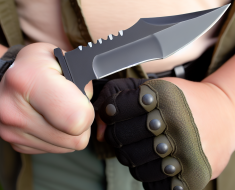
How to Train with a Tactical Pen for Self-Defense
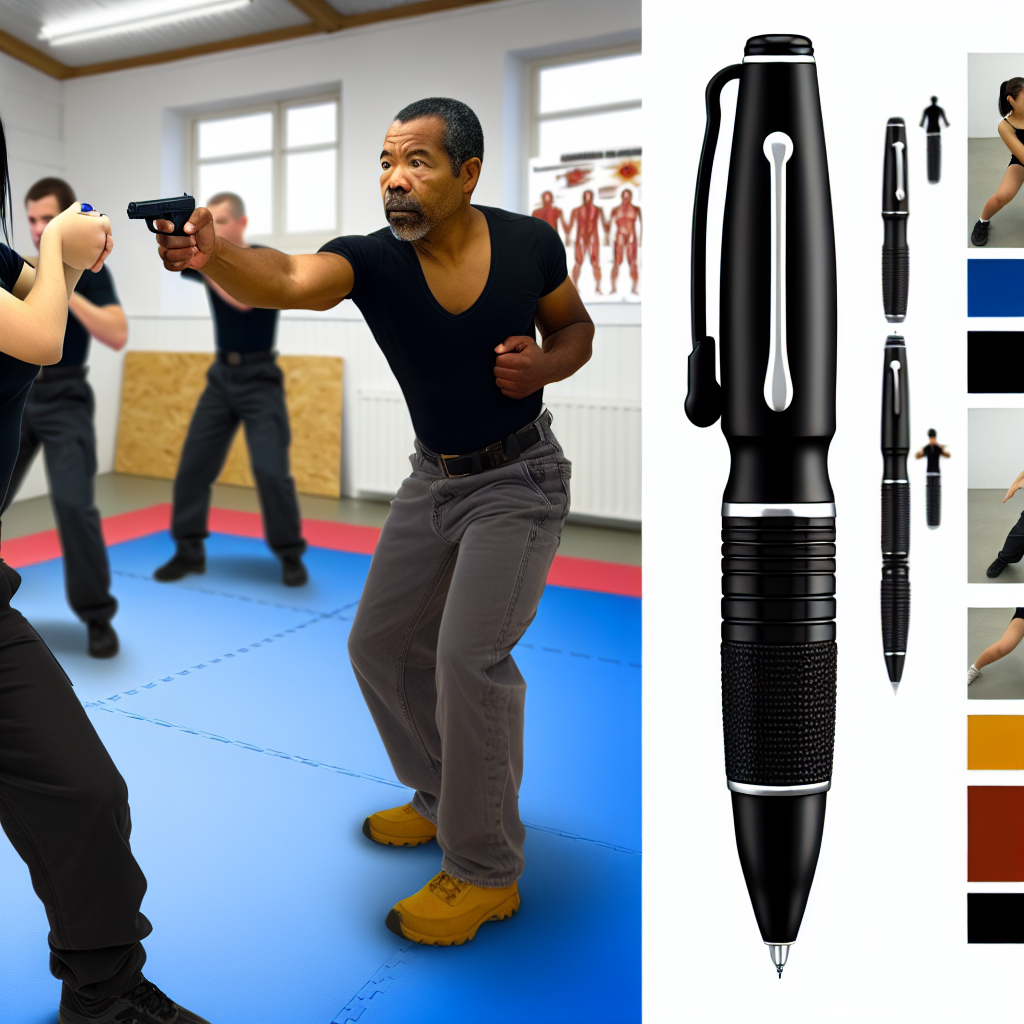
In today’s unpredictable world, personal safety has become a priority for many. Among the various self-defense tools available, the tactical pen stands out as an effective, discreet, and legal means of protection. But owning a tactical pen is only the first step — knowing how to train and use it properly is essential to maximize its potential in real-world situations.
This comprehensive guide will explore how to train with a tactical pen for self-defense, offering practical techniques, training tips, and insights backed by examples and statistics. Whether you are a beginner or looking to refine your skills, this article will equip you with the knowledge needed to confidently use this versatile tool.
What Is a Tactical Pen and Why Choose It?
A tactical pen is a robust writing instrument made from durable materials such as aircraft-grade aluminum or titanium. Unlike standard pens, tactical pens are designed not only for writing but also as multi-functional self-defense weapons. They often feature pointed ends that can be used for striking or piercing in emergency situations.
Here are some reasons why tactical pens have gained popularity among self-defense enthusiasts:
- Legality: Unlike knives or firearms, tactical pens are legal to carry in most public places, including airports and schools.
- Concealability: Their innocuous appearance makes them easy to carry without drawing attention.
- Multi-functionality: They can serve as writing tools and survival gadgets (glass breakers, screwdrivers).
- Effectiveness: When used correctly, they can deliver painful strikes capable of deterring or incapacitating an attacker.
According to a 2019 survey by the National Crime Victimization Survey (NCVS), over 30% of violent crimes occur during personal encounters where victims lacked any form of defense. Tools like tactical pens provide an accessible way for ordinary people to improve their safety without resorting to lethal weapons.
Fundamental Principles of Using a Tactical Pen for Self-Defense
Before diving into specific techniques, it’s important to understand some basic principles that govern effective use of any self-defense tool:
- Awareness: Self-defense begins with situational awareness. Avoiding dangerous situations when possible is the best form of protection.
- Grip and Control: A firm grip on the tactical pen ensures control during strikes and prevents disarming by an attacker.
- Targeting Vulnerable Areas: Aim for sensitive parts of the attacker’s body such as eyes, throat, temples, or hands.
- Speed and Surprise: Quick, unexpected strikes increase effectiveness and reduce your risk of counterattack.
- Mental Preparedness: Confidence and decisiveness often determine whether you can successfully defend yourself under stress.
The FBI’s Defensive Tactics Unit highlights that most physical confrontations last less than 20 seconds. This means training must focus on fast, efficient movements that incapacitate threats immediately.
Essential Training Techniques with a Tactical Pen
The tactical pen can be used in various ways depending on the situation — from blunt force strikes to pressure point manipulation. Below are core techniques every practitioner should master:
The Basic Grip
The foundational element is holding the pen correctly. Two common grips include:
- Pencil Grip: Holding the pen like a writing instrument allows quick stabbing motions with the pointed end.
- Straight Fist Grip: Holding the pen tightly in a fist with the tip protruding from between fingers maximizes impact power for striking.
The straight fist grip is preferred in most combat scenarios because it mimics a punch but adds the penetrating power of the metal tip.
Striking Techniques
- Jab Strike: Thrust the pointed end forward targeting soft tissues like eyes or throat. This is quick and effective in close quarters.
- Punch Strike: Use a clenched fist holding the pen to punch vulnerable areas such as ribs or jawline.
- Sweeping Strike: Swing horizontally aiming at attacker’s forearms or knees to disable their limbs temporarily.
A study published by the Journal of Forensic Sciences demonstrated that targeted strikes using hard objects could cause significant pain compliance without permanent injury — making tactical pens ideal for non-lethal defense options.
Piercing and Pressure Point Application
Tactical pens can also apply pressure on nerve clusters or pierce sensitive spots like:
- The webbing between thumb and index finger (to cause intense pain)
- The carotid artery area (to disrupt blood flow temporarily)
- The side of the neck (targeting jugular notch)
This requires precise training since improper targeting may escalate danger rather than neutralize it. Many martial arts such as Krav Maga incorporate pressure point tactics combined with improvised weapons like pens during self-defense drills.
Training Drills and Practice Routines
Diligent practice transforms theoretical knowledge into instinctive reactions.
Here are recommended drills tailored for developing proficiency with a tactical pen: shadow fighting, partner drills, and situational role-playing exercises. Consistent practice will enhance your skills and confidence in using a tactical pen effectively for self-defense.
Remember, the key to self-defense is not just the weapon, but the training and mindset behind its use.