How to Practice Defensive Shooting Safely
Defensive shooting is a critical skill for anyone who owns or carries a firearm for personal protection. However, the practice of defensive shooting comes with inherent risks, making safety paramount during training and real-life situations. Proper technique, mindset, and adherence to safety protocols can mean the difference between effective self-defense and accidental harm.
This article explores how to practice defensive shooting safely by discussing foundational principles, essential equipment, training methods, common mistakes, and legal considerations. Whether you are a beginner or an experienced shooter looking to refine your skills, understanding these elements will help you train responsibly and effectively.
Understanding Defensive Shooting: Purpose and Principles
Defensive shooting differs from recreational or sport shooting in that it is intended to stop a threat quickly and efficiently rather than achieve perfect marksmanship on a target. The primary goal is survival and protection.
Some core principles define defensive shooting:
- Speed over precision: While accuracy remains important, the ability to draw and fire quickly can be critical in life-threatening situations.
- Target identification: Knowing your target and what lies beyond it helps prevent unintended injury or property damage.
- Shot placement: A well-placed shot in a vital area can end a threat faster than multiple poorly placed shots.
- Control under stress: Defensive shooting often occurs under extreme pressure; managing stress and maintaining composure is essential.
According to a study by the FBI examining defensive gun use incidents from 2004 to 2015, only about 3% of gun uses involved firing the weapon. This highlights that most encounters require controlled decision-making rather than indiscriminate shooting.
Essential Safety Measures Before You Begin
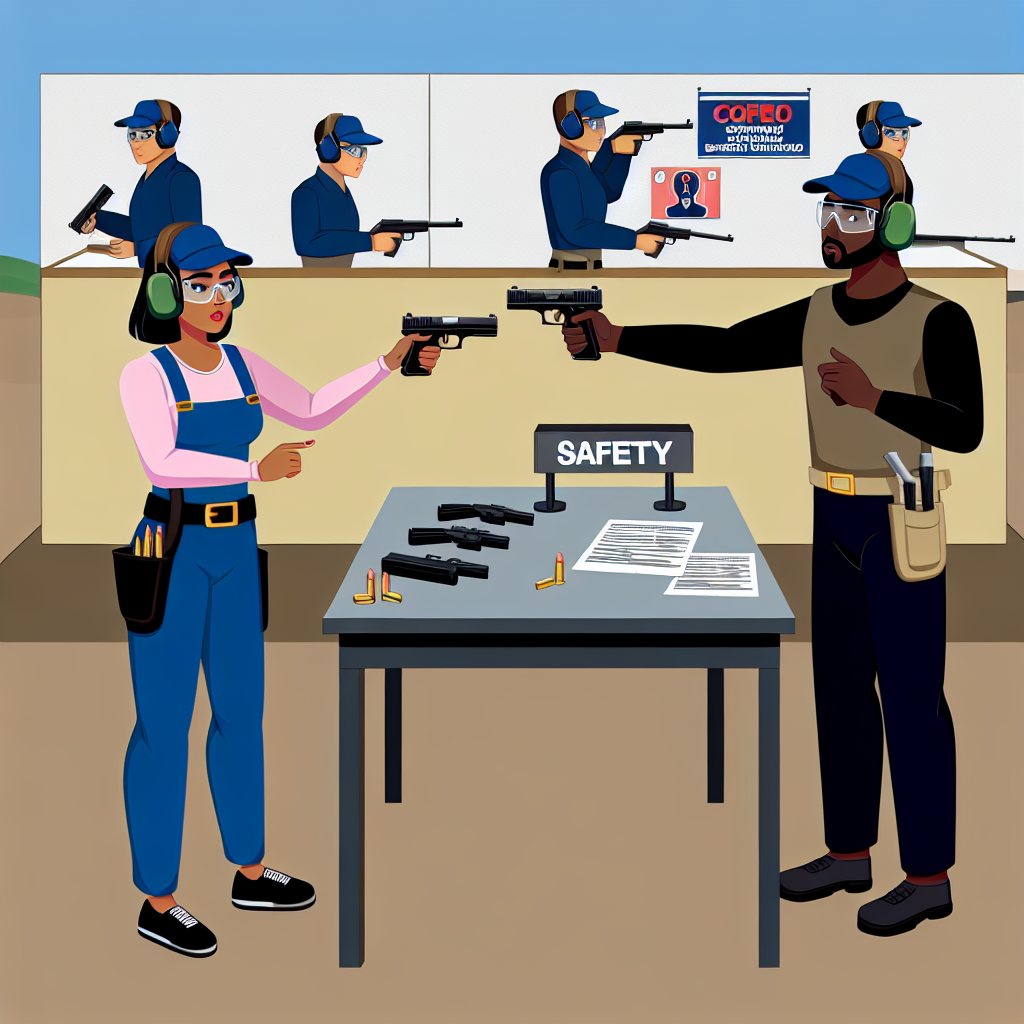
Safety must be the foundation of all firearms training. Without strict adherence to safety rules, practicing defensive shooting can lead to accidents that cause injury or death. Here are the fundamental safety measures every shooter should follow:
- Treat every firearm as if it is loaded: Never assume a gun is unloaded; always check it yourself before handling.
- Keep your finger off the trigger until ready to shoot: This prevents accidental discharge during manipulation or movement.
- Always point the muzzle in a safe direction: Never point your firearm at anything you do not intend to shoot.
- Be aware of your target and what’s behind it: Bullets can penetrate walls or miss targets entirely; ensure your backstop can safely stop rounds.
- Wear proper protective gear: Eye and ear protection are non-negotiable when firing any gun.
A practical example: In 2018, a training incident in Texas resulted in injury because an instructor failed to enforce muzzle discipline during defensive drills. This underscores how even experienced trainers must consistently apply safety protocols.
Selecting Appropriate Equipment for Safe Practice
The choice of equipment plays an important role in safe defensive shooting practice. Using the right gear not only improves performance but also reduces risk during training sessions.
- A suitable firearm: Choose a handgun you are comfortable operating reliably. Many experts recommend practicing with the same model you carry daily for defense.
- A quality holster: Use a holster that securely retains your firearm while allowing quick access. Retention features prevent accidental drops or unauthorized access during practice.
- Ammunition selection: Practice with both full-power defensive rounds (e.g., hollow points) and more affordable practice ammo like full metal jacket (FMJ). Always verify compatibility with your firearm.
- Shooting range setup: Use ranges specifically designed for live-fire practice with proper backstops and safety personnel on site if possible.
- Tactical gear: Consider wearing gloves, knee pads, and clothing that facilitate movement and comfort during dynamic drills.
An insightful case study comes from law enforcement agencies that transitioned to using realistic training ammunition combined with advanced holsters featuring retention mechanisms. This led to fewer negligent discharges during defensive drills by over 40%, according to internal department reports.
Training Techniques for Safe Defensive Shooting Practice
The way you train affects both your skill development and safety levels. Structured, progressive training helps build muscle memory while minimizing risks associated with live-fire exercises.
Dry Fire Training
This involves practicing trigger control, sight alignment, drawing from concealment, and reloads without live ammunition. Dry fire is safe because no rounds are fired but effective because it develops fundamental skills.
- Create a controlled environment free from distractions or interruptions.
- Use snap caps or dummy rounds for malfunction drills without risk of discharge.
- Avoid dry firing on rimfire firearms as it may damage the firing pin; check manufacturer recommendations first.
Live Fire Drills
When transitioning to live fire, start slowly focusing on safety first before speed or complexity increases. Examples of basic drills include drawing from concealment and engaging stationary targets at various distances safely marked downrange.
- Shoot within designated lanes with clear backstops ensuring bullet containment.