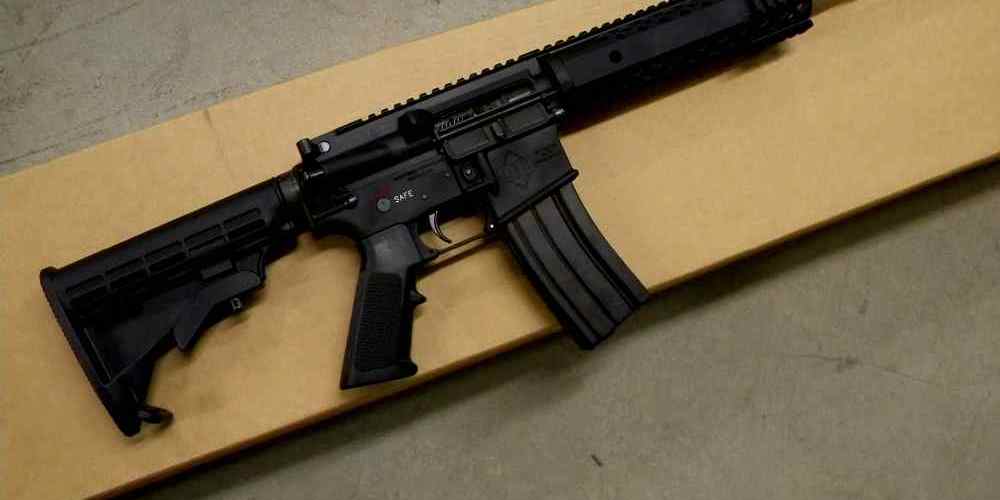
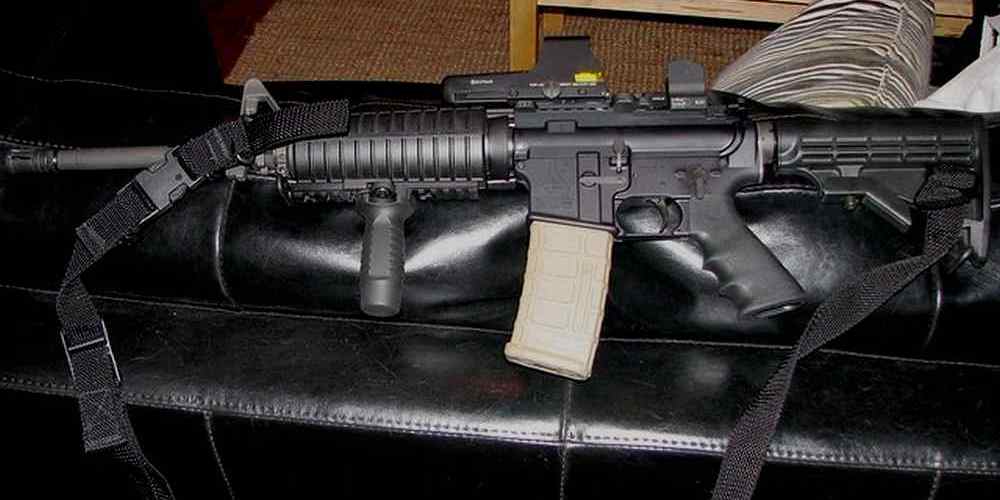
When it comes to choosing an AR-15 optic for multiple distances, the “best” option depends on how you use the rifle, what distances you expect to encounter, and how much flexibility you want without giving up speed. For many shooters, the ideal optic is one that balances close-range target acquisition with enough precision for mid-range shots, all while remaining durable, simple, and dependable. That balance matters whether you are training at the range, protecting your home, or carrying a rifle for practical field use.
The AR-15 platform has earned its reputation in part because of how adaptable it is, and optics are a major part of that story. Over the years, shooters moved from iron sights to red dots, then to magnified optics, and eventually to versatile hybrid setups that can handle both close-quarters and longer-distance shooting. Today, the best optic choice for multiple distances usually comes down to either a quality red dot paired with a magnifier or a low-power variable optic, often called an LPVO.

Responsibility should always stay at the center of the discussion. Any optic is only as useful as the shooter behind it, and accurate shot placement, safe handling, and an understanding of local laws are more important than gear alone. With that in mind, let’s look at which AR-15 optics truly work best across different distances and why certain setups consistently stand out for real-world use.
Best AR-15 Optics for Near and Far Targets
For pure speed at close range, a red dot optic is hard to beat. It gives the shooter a bright aiming point that is easy to acquire quickly, especially under stress or in less-than-perfect lighting. At practical defensive distances, a red dot allows both-eyes-open shooting, which helps maintain awareness and makes target transitions feel natural and fast.
When the distance stretches out, though, a bare red dot has limitations. The dot itself can cover a surprising amount of the target at longer ranges, and that can make precise aiming more difficult. This is where adding a magnifier or moving to an LPVO becomes attractive, because both solutions extend the rifle’s capability without forcing the shooter to give up too much speed up close.
In real-world terms, a good multi-distance optic should help you find the target fast, identify it clearly, and place accurate shots with confidence. That is especially important for hunters, home defenders, and recreational shooters who may face varying ranges in a single session. The optic should also match the rifle’s role, because a lightweight carbine for general use will benefit from different features than a scoped setup intended for more deliberate shooting.
Why a Red Dot or LPVO Often Wins
A quality red dot paired with a 3x or 5x magnifier is one of the most flexible setups available for an AR-15. At close range, you run the red dot alone for maximum speed. When you need more detail or want to reach farther, you flip or swing the magnifier into place. This setup is popular because it preserves the simple, intuitive handling of a red dot while adding useful reach for intermediate distances.
An LPVO, on the other hand, gives you variable magnification in a single optic, usually ranging from 1x to 6x, 8x, or even 10x. At true 1x, an LPVO can be used much like a red dot, though usually with a slightly different feel and more sensitivity to eye position. As magnification increases, the shooter gains better target identification and more precise aiming, which is helpful for hunting, competition, and field use. For many shooters, this versatility makes the LPVO the strongest all-around choice for multiple distances.
Historically, the shift toward LPVOs and magnified red-dot combinations reflects how AR-15 owners actually use their rifles. Few civilian users need a dedicated optic optimized only for one narrow distance band. Instead, they want one system that can handle defensive drills, range practice, and occasional longer shots without much compromise. The best choice often comes down to training preference: shooters who value simplicity and speed may prefer a red dot plus magnifier, while those who want one integrated optic with more precision often lean toward an LPVO.
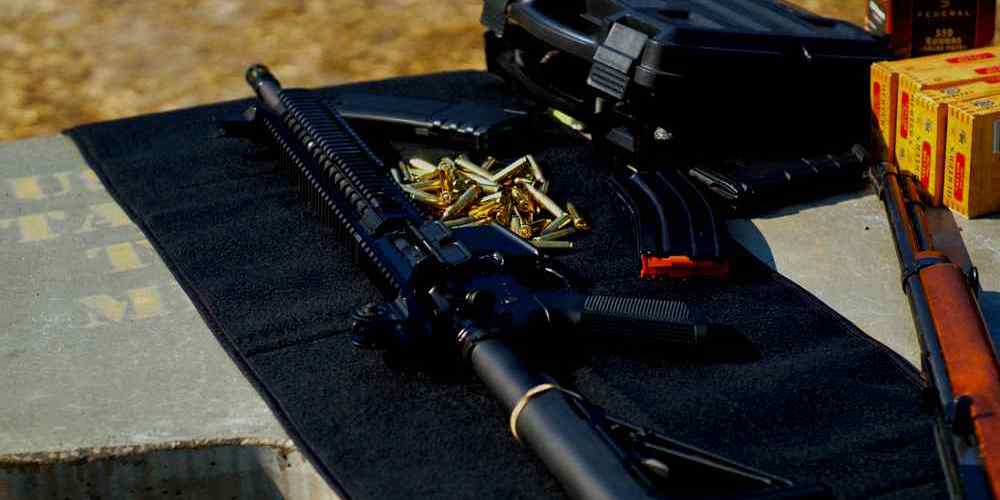
In the end, the AR-15 optic choice that works best for multiple distances is usually either a red dot with a magnifier or a well-made LPVO. Both offer real advantages, and both can serve responsibly and effectively when matched to the shooter’s needs. If your priorities are speed, simplicity, and fast close-range handling, the red dot route is tough to argue against. If you want a more all-in-one solution with better precision at varied distances, an LPVO often delivers the best overall balance.
Whichever direction you choose, focus on quality glass, solid mounting hardware, and consistent training. Even the best optic will not compensate for poor fundamentals, so practice safe handling, confirm zero regularly, and learn how your optic behaves at different ranges and light conditions. A thoughtful setup, combined with responsible ownership, will always outperform buying gear based on hype alone.
For AR-15 owners who want one optic system that can truly do more than one job, the answer is less about brand names and more about honest use case analysis. The right optic should fit your rifle, your environment, and your experience level. When those pieces line up, your AR-15 becomes not just more capable, but more trustworthy every time you shoulder it.