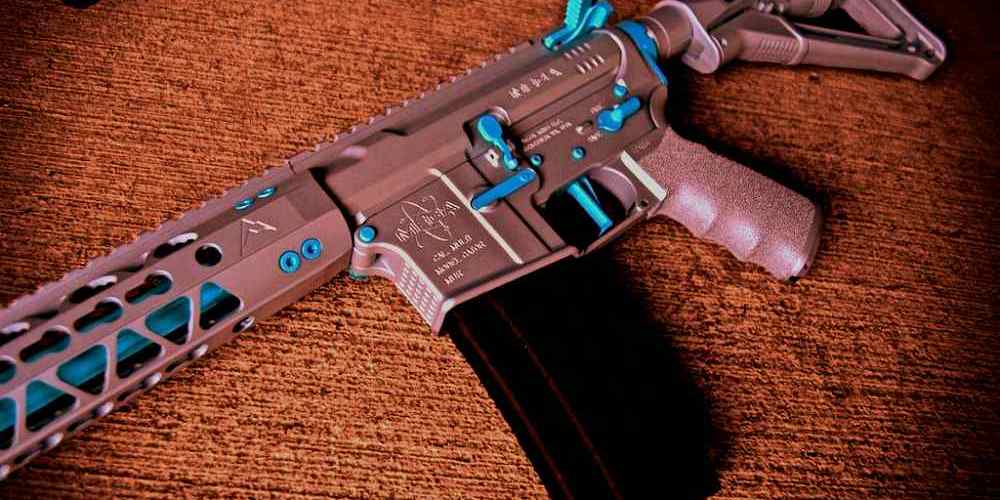
If your AR-15 is short-stroking, failing to lock back, or running inconsistently, the issue often comes down to gas system tuning rather than a major parts failure. One of the fastest and most effective fixes is a careful gas block adjustment, which can help restore smooth cycling without replacing unnecessary components. For responsible gun owners, understanding how the gas block works is not just a maintenance skill—it’s part of keeping the rifle reliable, safe, and ready for lawful use.
Quick Gas Block Fixes for AR-15 Cycling Issues
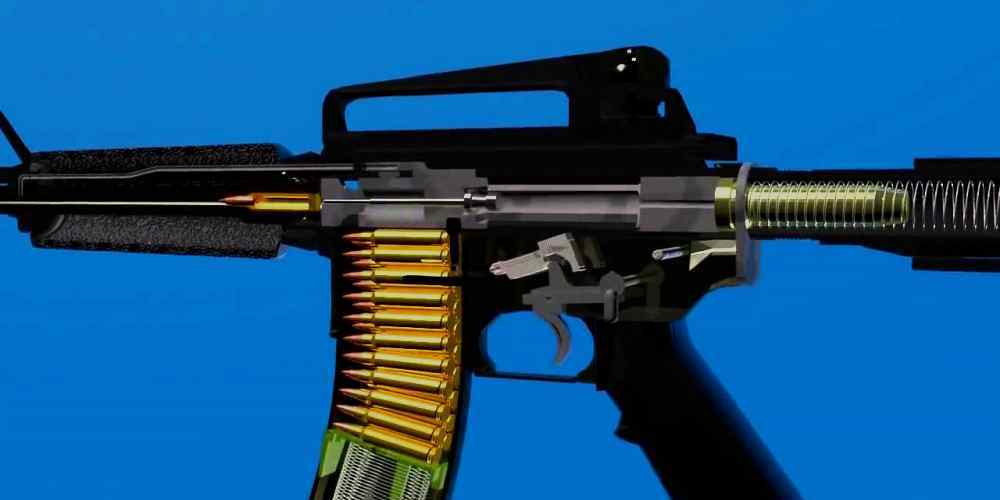
A properly adjusted gas block controls how much propellant gas is directed back into the action. On an AR-15, that gas drives the bolt carrier group, and if the system is undergassed or overgassed, the rifle may fail to cycle correctly. Symptoms can include weak ejection, failures to feed, bolt-over-base malfunctions, or the bolt not locking open on the last round. In many cases, the rifle is not “broken”; it simply needs the gas system tuned to the ammunition, barrel length, buffer weight, and suppressor setup being used.

The fastest fix is often to start with the simplest variables. Confirm the gas block is properly aligned over the gas port, check that set screws or clamps are secure, and inspect for carbon leakage that might suggest a poor seal. If you are using an adjustable gas block, make small changes in small increments and test the rifle with the exact ammunition you plan to use. Always clear the firearm before making any adjustments, and follow the manufacturer’s instructions closely—safe handling should remain the first priority at every step.
Gas block adjustment became especially popular as AR-15 owners began customizing rifles for different roles, from lightweight carbines to suppressed hunting setups and competition guns. The standard direct impingement system is capable and dependable, but it benefits from tuning because not every build runs under the same conditions. A rifle that cycles perfectly with full-power ammo may behave differently with softer loads, steel-cased ammunition, or a sound suppressor attached. That is why a quick gas block correction can solve what looks like a complex cycling problem in just a few minutes.
How to Tune Your AR-15 for Reliable Operation
Reliable tuning starts with understanding the whole system, not just the gas block. Buffer weight, action spring condition, bolt carrier quality, gas port size, and even magazine condition can all affect cycling. If your rifle is overgassed, you may see harsh recoil, brass thrown far forward, or excessive wear on the bolt and receiver extension. If it is undergassed, the rifle may feel soft but fail to complete the cycle. A properly tuned setup should eject consistently, feed smoothly, and lock back on an empty magazine.
When adjusting an adjustable gas block, work methodically. Open or close the gas incrementally, then test fire one round at a time to confirm lock-back, then progress to full magazines once the rifle shows consistent function. This approach helps you find the smallest reliable gas setting rather than simply running the rifle wide open. For most shooters, the goal is not maximum gas; it is enough gas for dependable operation with a little margin for changes in temperature, fouling, or ammunition lot differences. That margin is especially important for defensive rifles and hunting carbines, where dependable cycling matters more than recoil reduction alone.
Good maintenance habits also make tuning last. Keep the gas block screws checked, ensure the gas tube is not damaged or bent, and clean carbon buildup during regular service intervals. If you are unsure about a persistent cycling issue, consult a qualified gunsmith rather than forcing adjustments that could damage the rifle or create unsafe conditions. Responsible ownership means knowing when to handle a simple fix yourself and when to seek professional help. With careful setup and proper testing, a gas block adjustment can solve AR-15 cycling problems quickly and help your rifle run the way it should.
In the end, a gas block adjustment is one of the most practical ways to address AR-15 cycling problems without unnecessary guesswork. By checking alignment, tuning gas output, and testing your rifle safely and methodically, you can improve reliability across a wide range of shooting conditions. For enthusiasts, hunters, and self-defense users alike, the real advantage is confidence: a well-tuned AR-15 is easier to shoot, easier to maintain, and more dependable when it matters most.