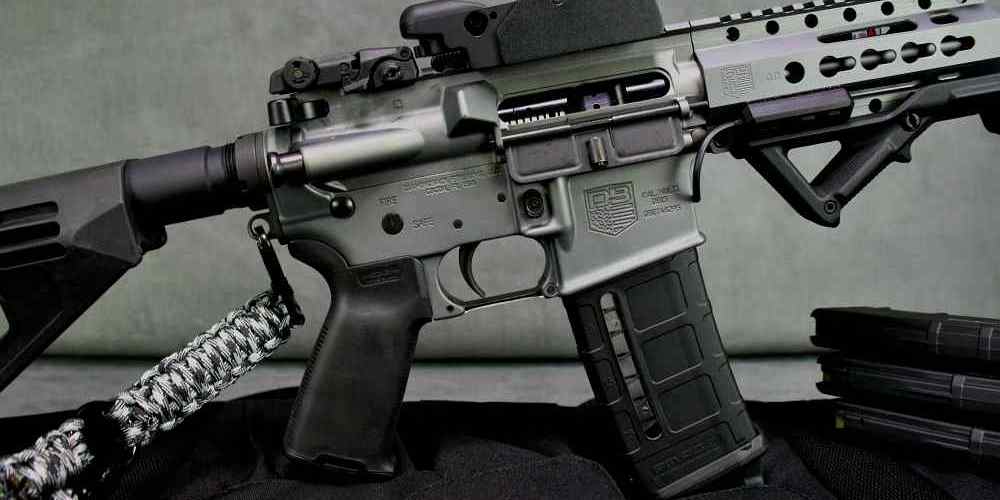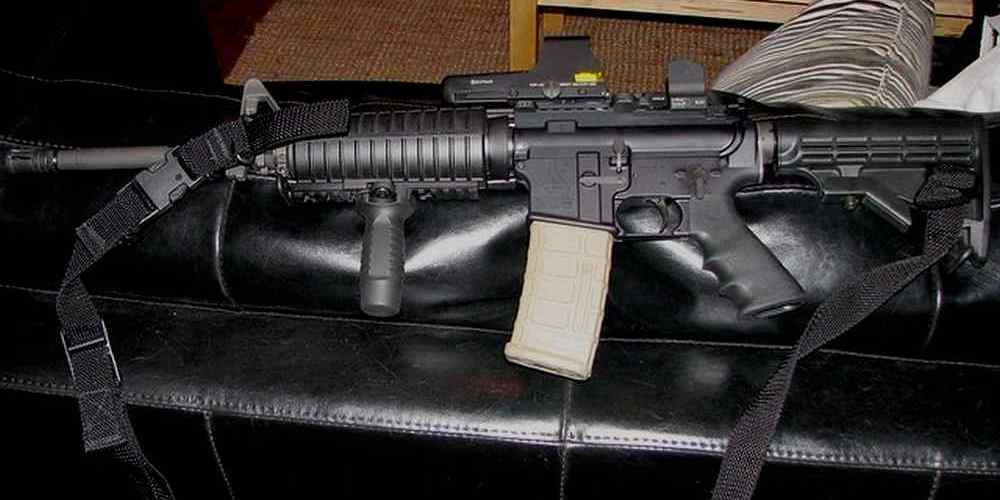
For anyone who hunts in cold weather, trains outdoors year-round, or keeps a defensive firearm ready in a variety of conditions, gloves can change everything about how a gun handles. A trigger guard that feels perfectly adequate with bare hands can suddenly become cramped, awkward, or even unsafe once you add winter gloves, shooting gloves, or heavy-duty work gloves. That’s why a trigger guard upgrade is more than a cosmetic accessory—it can make a real difference in comfort, control, and safe trigger access.
On many factory firearms, especially rifles and carbines designed around a balance of cost, weight, and broad compatibility, the trigger guard is built to be compact. That works fine for many users, but it can create problems for larger hands and gloved hands alike. A larger, aftermarket trigger guard can improve finger clearance, reduce snagging, and make it easier to maintain proper trigger discipline without forcing the shooter to jam a gloved finger into a tight space.

Responsible gun owners know that any modification should improve both usability and safety, not just appearance. A well-chosen trigger guard upgrade can help with that goal by making shooting smoother in demanding conditions. Whether you’re preparing for a snowy hunt, a low-temperature training session, or simply want a firearm that handles better with winter gear, understanding why trigger guard size matters is the first step.
Why a Bigger Trigger Guard Helps Gloved Hands
A bigger trigger guard mainly helps by giving your trigger finger more room to enter and exit the guard without catching on fabric. Winter gloves, insulated gloves, and even some tactical gloves add bulk that can make a standard guard feel cramped. When there isn’t enough space, shooters may unintentionally alter their grip or struggle to keep the finger indexed safely along the frame until they are ready to fire.
That extra room also matters for safety. If a glove bunches up inside a small trigger guard, the shooter may have a harder time isolating the trigger correctly. In a stressful or cold-weather situation, that can increase the chance of an unintentional press. A larger guard helps the finger move naturally, which supports better trigger discipline and more consistent handling. It’s not a substitute for training, but it can reduce friction between gear and gun.
There’s also a practical historical side to this upgrade. As modern firearms evolved, users began pushing guns into more diverse environments—snow, rain, thick brush, and defensive use with layered clothing. Manufacturers and aftermarket companies responded with enlarged trigger guards, often made from durable aluminum or polymer, to improve access and ergonomics. For hunters, ranch users, and anyone training outdoors, that extra clearance can make the difference between a frustrating range session and a smooth, confident one.
Choosing the Right Trigger Guard Upgrade
The best trigger guard upgrade is the one that fits your firearm correctly and matches how you actually use it. Start by checking compatibility with your exact make and model, because trigger guards are not universal. Some are drop-in replacements, while others require small parts, specific pins, or a bit of fitting. If the part is intended for a platform like an AR-style rifle, confirm whether it is designed for a mil-spec lower or a specific receiver pattern before buying.
Material and shape matter too. Aluminum trigger guards are usually strong and lightweight, while polymer options can be cost-effective and comfortable, depending on the design. Look for features like a smooth leading edge, enough width for your typical gloves, and a profile that won’t interfere with the magazine release or trigger finger placement. If you shoot in cold climates, consider testing the guard with the actual gloves you plan to wear, not just bare hands. A part that feels good at a bench may behave differently in real conditions.
Finally, treat installation and function testing as part of the safety process. If the upgrade requires removing pins or disassembling part of the lower receiver, follow the manufacturer’s instructions carefully and verify the firearm is unloaded before starting. After installation, check that the trigger moves freely, the guard is secure, and no part of the glove or guard interferes with safe operation. A good trigger guard upgrade should feel like a natural extension of the firearm—one that supports better control, cleaner handling, and safer shooting in the field or at the range.
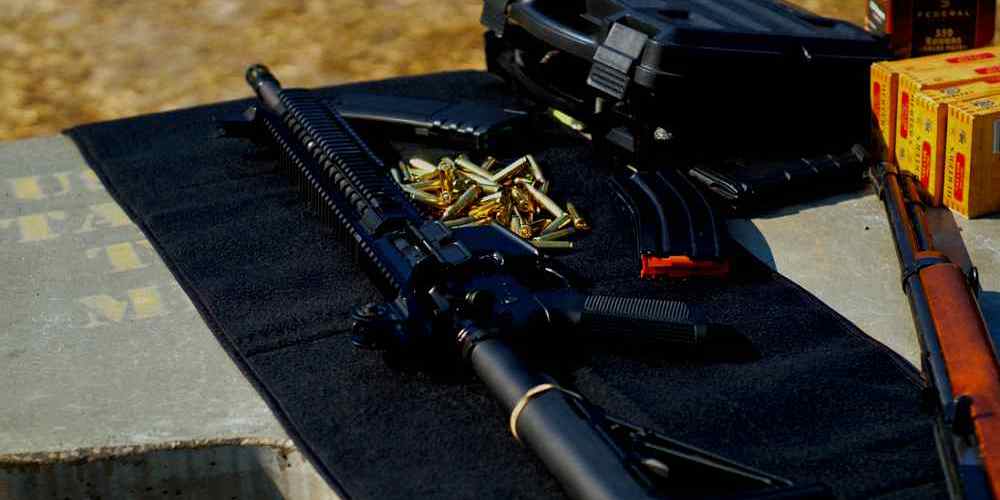
A trigger guard upgrade may seem like a small change, but for shooters who wear gloves, it can meaningfully improve comfort, control, and confidence. In cold weather or rugged environments, that added clearance helps preserve proper technique and reduces the hassle of working with bulky gear. Like any firearm modification, the goal should be better function without sacrificing safety.
If you’re considering one for your rifle or carbine, focus on compatibility, build quality, and real-world fit with the gloves you actually use. A thoughtfully chosen upgrade can make your firearm more practical for hunting, training, or defensive readiness while staying true to responsible ownership. In the end, the best parts are the ones that help you handle your firearm more safely and more effectively, season after season.