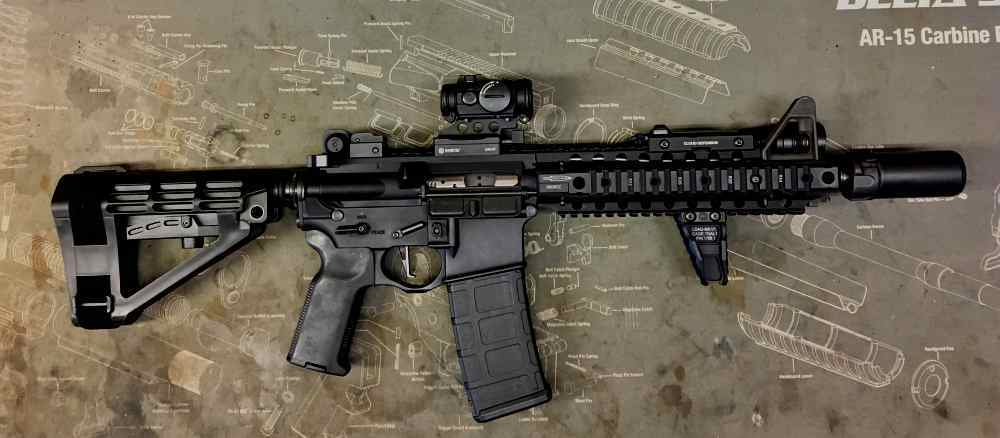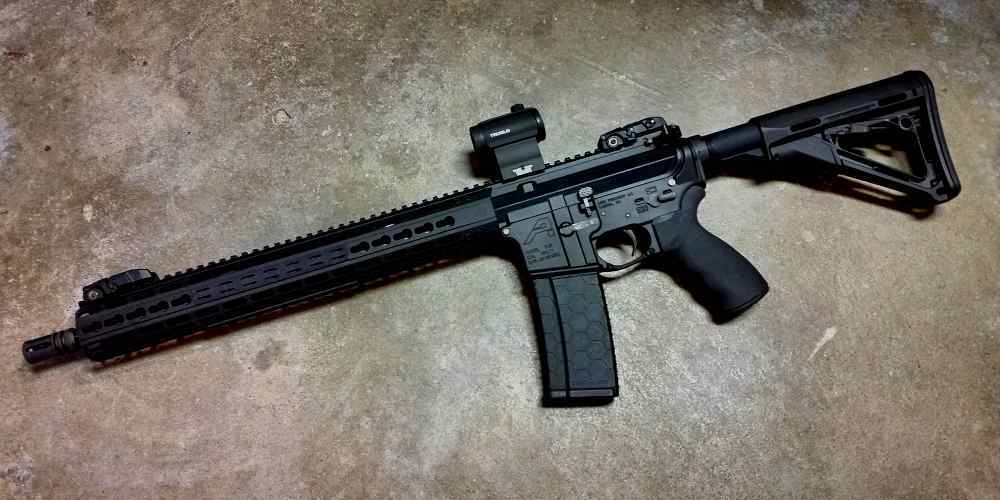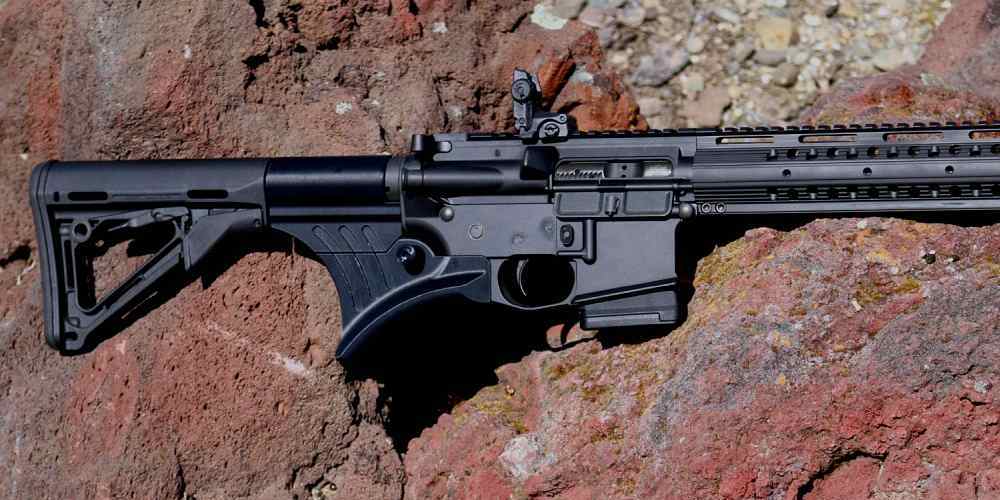
The AR-15 trigger reset is one of those small mechanical details that can dramatically change how a rifle feels in the hands of a shooter. Many owners focus on trigger weight, creep, or break quality, but the reset is just as important for practical use, especially in training, competition, and defensive contexts. Understanding it not only helps you shoot more efficiently, but also encourages safer and more consistent trigger control.
How AR-15 Trigger Reset Really Works
The AR-15 uses a fire control system that is simple in concept but very precise in function. When the trigger is pulled, the hammer is released and strikes the firing pin, igniting the cartridge. As the bolt carrier cycles rearward under gas pressure, it cocks the hammer back and temporarily disconnects the trigger from the hammer until the shooter releases the trigger enough for the disconnector to hand the hammer back to the sear surface. That moment of re-engagement is the reset.

In practical terms, reset is the shortest distance the trigger must travel forward after a shot before it is ready to fire again. On a well-made AR-15 trigger, that reset can be tactile and audible, giving the shooter a clear point of reference. On a standard mil-spec trigger, the reset is usually more subtle, but it is still there. The difference between triggers often comes down to how distinct that reset feels, how much force it takes to move through it, and how much overtravel follows the break.
Historically, the AR-15/M16 fire control design was built for reliability under hard use, not necessarily for a crisp sporting feel. That is why many factory triggers have a heavier pull and a less obvious reset than modern upgraded units. Today, aftermarket triggers, improved springs, and refined geometry can make the reset much easier to detect, but the underlying safety principle remains unchanged: a proper reset is about controlled, deliberate trigger management, not speed for its own sake.
Why Most Shooters Miss the Reset Feel
Most shooters miss the reset because they are either pressing the trigger too aggressively or letting it travel too far forward after the shot. New shooters often focus so much on the break that they completely relax the trigger finger instead of maintaining contact and feeling the action cycle. Others “pin” the trigger too hard and never learn where the reset actually occurs. In both cases, the opportunity to build a smoother rhythm is lost.
Another common reason is simple distraction. On the range, people often pay more attention to target results, recoil, or muzzle movement than to the trigger itself. That is understandable, but it means they never train the finger to recognize the subtle click or tactile bump of reset. Good instructors often teach shooters to slowly press, hold, and release the trigger just enough to feel the reset during dry fire. That skill transfers into live fire and helps build consistency without rushing.
Trigger choice also affects perception. A gritty factory trigger can mask reset, while a lighter or refined trigger may make it stand out more clearly. But even a great trigger will not teach good mechanics on its own. The real secret is learning to ride the trigger responsibly: keep the muzzle pointed in a safe direction, maintain trigger discipline, and practice only in accordance with the basic rules of firearms safety and all applicable laws. When a shooter learns to feel the reset correctly, the AR-15 becomes not just faster to run, but more predictable, more controlled, and safer to operate.
The hidden value of the AR-15 trigger reset is that it turns a basic mechanical function into a useful training tool. Once a shooter understands what the reset is and how it feels, every shot becomes a little more deliberate and every follow-up shot a little more controlled. That matters whether you are zeroing a rifle, practicing on the range, or preparing a defensive carbine for lawful home defense use.
For responsible gun owners, the goal is never to chase speed alone. It is to build smooth, safe, repeatable handling habits that respect the firearm and the people around it. Learning the reset is part of that process, and for many shooters, it is the detail that quietly improves everything else.