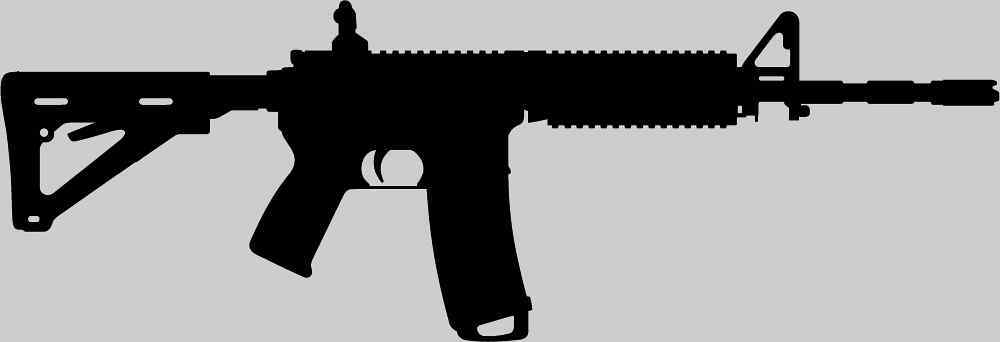
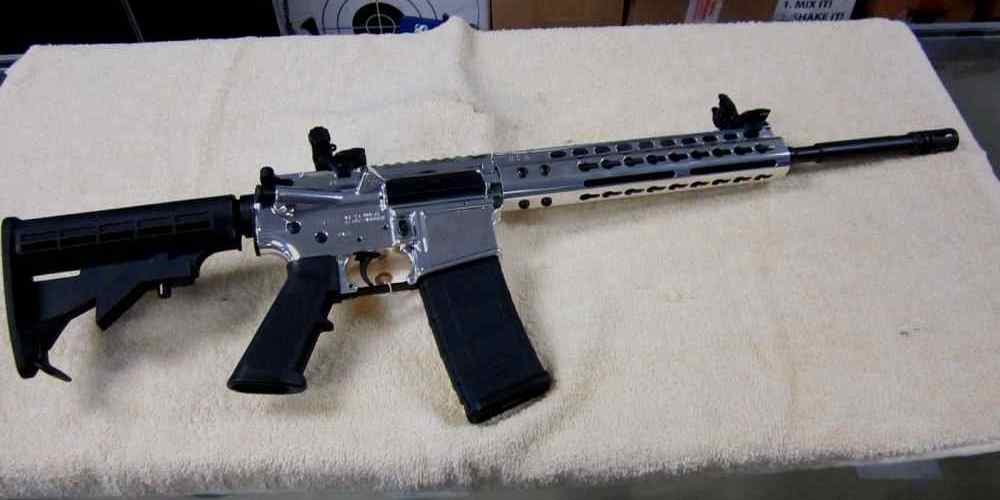
For years, shooters have repeated the same advice: a longer AR-15 barrel means better accuracy. It sounds logical, and in some ways it reflects older rifle traditions where longer barrels often paired with iron sights, heavier profiles, and deliberate shooting disciplines. But when it comes to the modern AR-15, that belief is often oversimplified. Barrel length affects velocity, handling, and ballistic performance, but it does not automatically make a rifle more accurate in the hands of the average shooter.
The truth is that accuracy depends on a combination of factors, including barrel quality, ammunition consistency, optic choice, trigger control, stability, and the shooter’s ability to apply the fundamentals. A well-made 16-inch carbine can outshoot a poorly assembled 20-inch rifle every day of the week. For hunters, home defenders, and range shooters alike, understanding this distinction matters because the wrong assumption can lead to poor gear choices, unnecessary expense, and missed opportunities to improve real-world performance.

Responsible firearm ownership starts with good information. Choosing an AR-15 barrel length should be about the rifle’s intended role, legal requirements, and how the system performs as a whole—not about chasing a myth. If you’re trying to build a dependable rifle for training, hunting, or defense, it helps to know what barrel length actually changes and what it does not.
Why Barrel Length Doesn’t Guarantee Accuracy
Barrel length mainly influences muzzle velocity, not inherent precision. A longer barrel gives expanding gases more time to push the bullet, which can result in higher velocity, especially with certain loads. That added speed can improve trajectory and terminal performance at distance, but it does not magically make the rifle shoot tighter groups. In practical terms, a 20-inch barrel may send a bullet faster than a 16-inch barrel, yet both can be equally accurate if they are well made and properly matched to quality ammunition.
In the AR-15 world, the biggest accuracy factors are often the barrel’s manufacturing quality, its crown condition, chamber consistency, twist rate, and how well the barrel harmonizes with the ammo. A cold hammer-forged barrel, a button-rifled barrel, or a precision stainless barrel may each perform differently depending on the load. Even the best barrel can struggle with inconsistent ammunition, loose optics mounts, poor trigger control, or a shooter who rushes shots. Accuracy is a system, not a single measurement.
There is also a historical reason the myth persists. Traditional long guns often had longer barrels, and in older eras, a longer sight radius with iron sights could make aiming easier. But the AR-15 is usually equipped with optics, and modern aiming systems remove much of that old advantage. Once you use a red dot, prism, or LPVO, sight radius no longer depends on barrel length, so the relationship between length and practical accuracy becomes much weaker. A shooter who understands this can spend money where it matters: ammunition testing, optic quality, training, and a rifle setup that fits the mission.
How to Choose the Right AR-15 Barrel Length
The right barrel length starts with your use case. A 16-inch barrel is a popular all-around choice because it balances portability, legal simplicity, and performance. For many shooters, it offers enough velocity for defensive use, general range shooting, and even some hunting applications, depending on caliber, ammunition, and local laws. An 18-inch or 20-inch barrel may be preferable for precision-focused roles or longer-range work, while shorter setups can be useful in compact environments when properly built and used in compliance with all applicable regulations.
It’s also important to think about the tradeoffs. Shorter barrels are easier to maneuver in vehicles, around cover, and in dense brush, but they give up some velocity and may be louder with more muzzle blast. Longer barrels can offer a little more speed and, in some cases, a steadier feel, but they are less convenient to carry and may be unnecessary for most civilian uses. For hunters, the right choice may depend on terrain and cartridge selection. For self-defense practitioners, reliability, handling, and ammunition performance often matter more than squeezing out a little extra barrel length.
A smart buyer looks beyond the number on the spec sheet. Consider barrel profile, gas system length, twist rate, chamber spec, and manufacturer reputation. A quality 16-inch mid-length barrel from a trusted maker can be a better purchase than an inexpensive 20-inch option with inconsistent tolerances. Before deciding, test your rifle with the ammunition you actually plan to use, confirm zero with your chosen optic, and practice safe handling every time you go to the range. In the end, the best AR-15 barrel length is the one that fits your purpose, shoots reliably, and supports responsible, accurate marksmanship.
The idea that longer automatically means more accurate has misled shooters for decades, but the AR-15 has shown just how incomplete that belief really is. Barrel length matters, yes—but mainly for velocity, balance, and application, not as a guaranteed shortcut to better precision. If you want true accuracy, focus on the entire rifle system and your own fundamentals rather than chasing a bigger number.
For gun owners, hunters, and defensive shooters, the best approach is practical and disciplined: choose a barrel length that matches your intended use, invest in quality components, verify performance with real ammunition, and train safely and regularly. That mindset will do far more for your groups on paper and your confidence in the field than any myth about barrel length ever could.