Reloading for 300 Blackout: Best Practices
The 300 Blackout cartridge has rapidly gained popularity among shooters, hunters, and tactical enthusiasts due to its versatility, subsonic capabilities, and excellent terminal ballistics. Whether you are a seasoned reloader or a novice looking to get the most out of your ammunition, understanding the best practices for reloading 300 Blackout is crucial. This article delves into the technical aspects, safety considerations, and practical tips to help you reload this cartridge efficiently and safely.
Understanding the 300 Blackout Cartridge
Before diving into reloading specifics, it’s essential to understand what makes the 300 Blackout unique. Developed by Advanced Armament Corporation in collaboration with Remington Defense in 2011, the 300 AAC Blackout (300 BLK) was designed primarily for the M4 platform to offer superior performance in shorter barrels and compatibility with suppressors.
The cartridge is essentially a .223 Remington case necked up to accept a .30 caliber bullet. This design allows it to deliver heavier bullets with greater energy at close to medium ranges while maintaining compatibility with standard AR-15 magazines and bolts.
- Bullet Diameter: .308 inches (7.62 mm)
- Case Length: 1.368 inches (34.7 mm)
- Overall Length: Approximately 2.26 inches (57.4 mm)
- Typical Bullet Weights: 110 to 220 grains
This combination makes it particularly attractive for subsonic loads used with suppressors and supersonic loads that mimic traditional hunting cartridges.
Why Reloading 300 Blackout Matters
Reloading offers several advantages for shooters using the 300 Blackout:
- Cost Savings: Factory ammo can be expensive, especially specialty rounds like subsonic or match-grade loads.
- Customization: Reloaders can tailor bullet weight, powder charge, and primer types to optimize performance for specific purposes such as hunting or target shooting.
- Ammunition Availability: The surge in popularity has sometimes led to shortages of factory ammo; reloading ensures a steady supply.
- Improved Accuracy: Handloads often exceed factory ammo in precision due to tighter quality control over components and processes.
A well-executed reload can enhance your shooting experience while maintaining safety standards — which is paramount when dealing with any firearm cartridge.
The Basics of Reloading for 300 Blackout
The process of reloading involves assembling individual components — brass cases, primers, powder charges, and bullets — into complete cartridges. For the 300 Blackout, certain best practices ensure consistent results and safe operation.
Essential Equipment
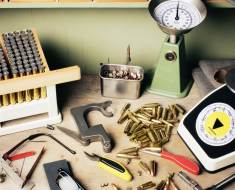
The following tools are necessary for reloading:
- Reloading Press: Single-stage or progressive presses can be used depending on volume and preference.
- Dies Specific to .300 Blackout: Full-length sizing die and seating die sized for .30 caliber bullets.
- Powder Scale: Precision scales capable of measuring powder charges accurately within ±0.1 grains.
- Calipers: To measure cartridge overall length (COL) and bullet seating depth precisely.
- Case Trimmer & Chamfer Tool: To maintain proper case length and ensure smooth bullet seating.
Selecting Components
- Breechface Primers: Small rifle primers are standard for this cartridge; brands like CCI or Federal are popular choices due to consistent ignition.
- Powders: Fast-burning powders such as Hodgdon H110, IMR Trail Boss, or Alliant Power Pro are favored for subsonic loads; slower powders like Varget or IMR4064 work well for supersonic loads depending on barrel length.
- Bullets: Subsonic shooting typically uses heavy bullets ranging from 190-220 grains; supersonic loads use lighter bullets from around 110-150 grains optimized for expansion or penetration based on intended use.
Casing Preparation
Casing preparation is critical when reloading any cartridge but especially important in a bottleneck design like the .300 Blackout where neck tension affects pressure and accuracy significantly. Key steps include:
- Inspect Cases Thoroughly: Check for cracks, splits, or signs of overpressure before reuse.
- Casing Resizing & Depriming: Use a full-length resizing die to return cases to proper dimensions; deprime spent primers simultaneously if possible.
- Casing Trimming & Deburring: Trim cases if they exceed recommended lengths (typically ~1.368 inches), then chamfer inside and outside edges for smooth bullet seating.
Tuning Loads: Subsonic vs Supersonic Reloads
The hallmark feature of the .
300 Blackout is its ability to perform well at both subsonic and supersonic velocities, making it versatile for various shooting applications.
By following these best practices, you can ensure reliable performance and accuracy in your reloading process.