Reloading Brass: How Many Times Can You Reuse It?
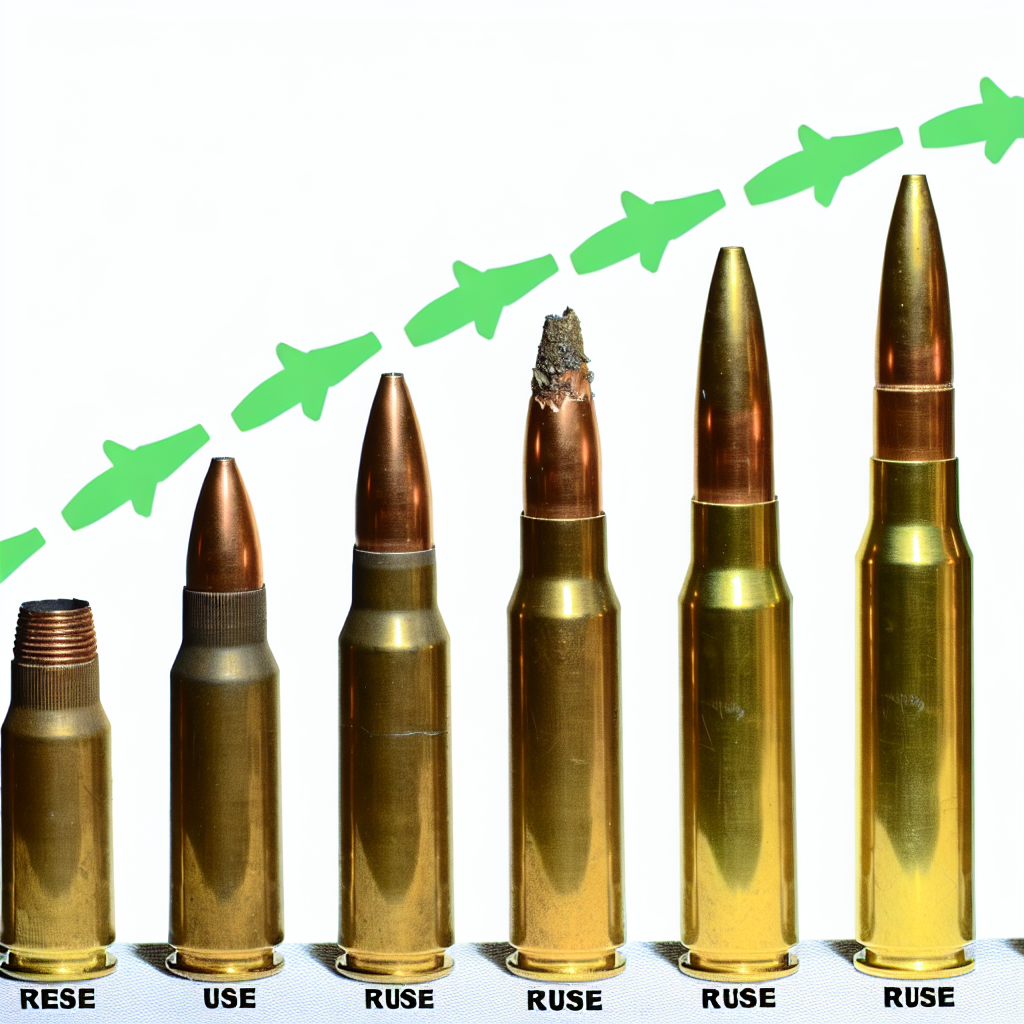
Reloading brass is a popular practice among shooting enthusiasts and hunters alike, offering both economic and environmental benefits. By reusing spent brass casings, reloaders can save money on ammunition costs while also reducing waste. However, one of the most common questions that arises in the reloading community is: how many times can you safely reuse brass? This article dives deep into the factors influencing brass longevity, safety considerations, and best practices to maximize the lifespan of your brass casings.
Understanding Brass Longevity: What Affects How Many Times You Can Reload?
The number of times a piece of brass can be reused is not fixed; it depends on a variety of factors related to the brass itself, how it was used, and how it’s maintained. Understanding these variables is essential for any reloader aiming to maximize efficiency without compromising safety.
Material Quality and Manufacturer Differences
Not all brass casings are created equal. The quality of the material and manufacturing process significantly impacts the durability of the casing. For instance:
- Military vs. Commercial Brass: Military brass tends to be thicker and more durable due to its design for rugged use. Commercial brass varies widely in quality depending on the manufacturer.
- Brand Consistency: Brands like Lapua, Norma, and Winchester are often praised for their consistent quality, which generally leads to longer usable life.
A study conducted by The Reloading Press found that premium commercial brass could last up to 10 reloads under ideal conditions, while some lower-quality brass might only survive 3-4 reload cycles before showing signs of fatigue.
Caliber and Cartridge Design
The caliber or cartridge type plays a crucial role as well. Larger calibers with higher pressures tend to stress the brass more intensely:
- .223 Remington / 5.56 NATO: Typically reloadable 5-7 times due to moderate pressures and case volume.
- .308 Winchester / 7.62 NATO: Often reloadable 6-8 times because of thicker case walls.
- .300 Winchester Magnum or similar magnum calibers: Usually experience more stress, limiting reloads to around 4-6 times.
This variation occurs because higher pressure cartridges cause more expansion and contraction cycles in the brass, accelerating work hardening and potential cracking.
Load Data and Pressure Levels
The specifics of your load—bullet weight, powder charge, seating depth—can affect how much stress is placed on the casing:
- Hot Loads: Loads close to or at maximum recommended pressure reduce casing life as they cause greater expansion.
- Mild Loads: Subsonic or reduced loads tend to extend casing life by minimizing mechanical strain.
Anecdotal evidence from experienced reloaders suggests that running moderate loads instead of maximum loads can increase case life by up to 50% in some instances.
The Science Behind Brass Fatigue: Why Does Brass Wear Out?
To appreciate why brass casings have a limited number of reloads, it’s important to understand what happens at a microscopic level during firing and resizing.
The Work Hardening Process
Each time a round is fired, the pressure from ignited powder expands the brass casing against the chamber walls. Upon extraction and resizing during reloading, the casing undergoes plastic deformation as it’s reshaped back into its original dimensions. This repeated stretching causes work hardening—a phenomenon where metal becomes brittle due to strain-induced dislocations within its crystal structure.
The consequences include:
- Brittleness Increase: Brittle casings are more prone to cracks and splits upon subsequent firings.
- Potential Case Head Separation: The thickest part near the base (case head) may eventually separate if fatigued excessively, posing safety risks.
Signs of Brass Degradation
You should always inspect your cases for early signs of fatigue before deciding whether they can be reloaded again. Common indicators include:
- Dents or Cracks Near the Neck or Shoulder
- Case Head Separation (often detected by visible rings or splits)
- Limp or Soft Case Walls (indicating over-expansion)
- Neck Thinning or Excessive Stretching
<pIgnoring these signs can lead to dangerous malfunctions such as squib loads or ruptured cases in your firearm chamber.
Best Practices for Extending Brass Life
If you want to get the most out of each piece of brass without compromising safety, following proper maintenance and handling techniques is essential.
Cleaning and Preparation
- Tumbling: Use high-quality media like walnut shells or corn cob media for cleaning; avoid harsh abrasives that may weaken case walls over time.
- Anniealing: Annealing involves heating the neck area
Annealing: Annealing involves heating the neck area to relieve stress and improve the brass’s longevity. By following these practices, you can maximize the lifespan of your reloaded brass safely.