Reloading Basics: A Beginner’s Guide to Safe Ammunition Crafting
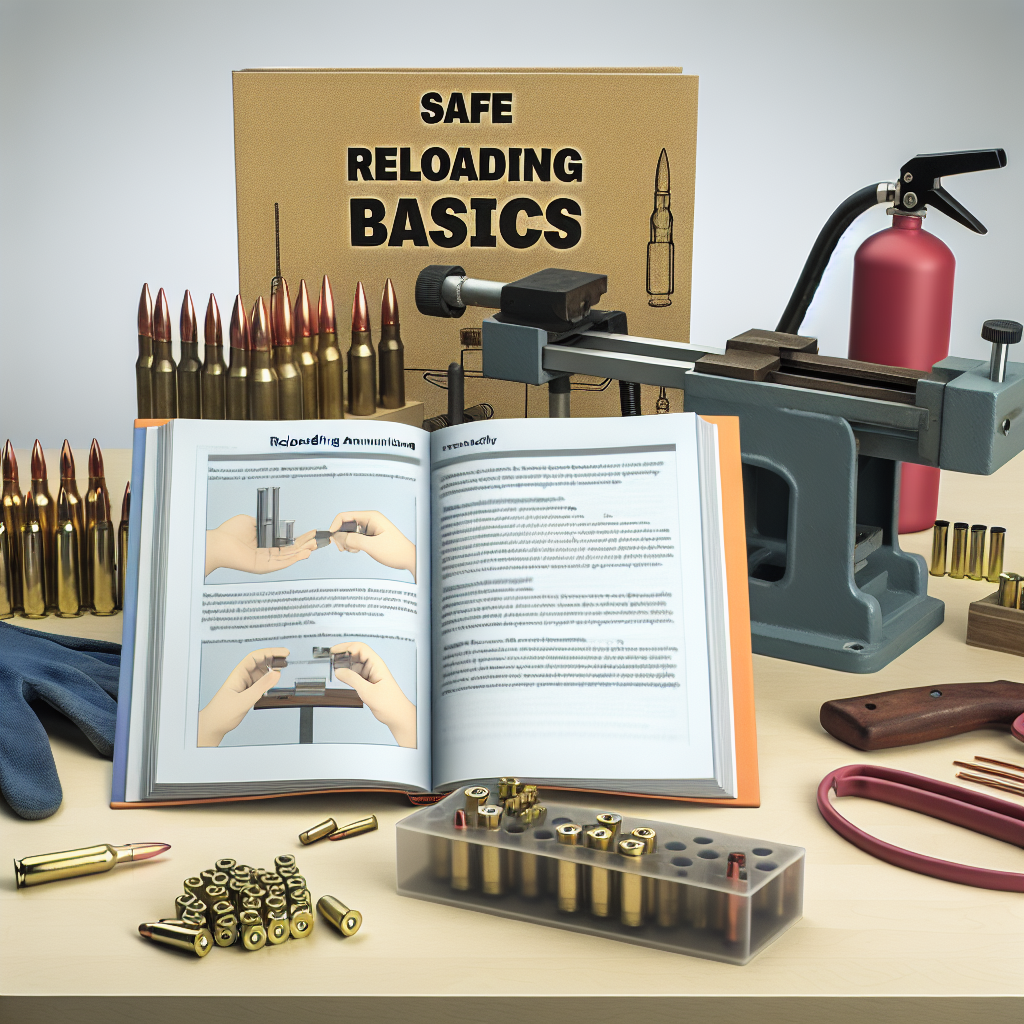
Reloading your own ammunition is an age-old practice that offers numerous benefits to shooting enthusiasts, from cost savings and improved accuracy to the satisfaction of crafting your own rounds. However, reloading requires meticulous attention to detail and strict adherence to safety protocols. This beginner’s guide aims to provide a comprehensive overview of safe ammunition crafting, ensuring newcomers can approach this rewarding hobby with confidence and knowledge.
Understanding the Fundamentals of Ammunition Reloading
Before diving into the mechanics of reloading, it’s crucial to understand what reloading entails and why it appeals to so many firearm users.
What is Reloading?
Reloading, also known as handloading, is the process of assembling firearm cartridges by manually combining components such as brass cases, primers, powder, and bullets. Instead of purchasing factory-loaded ammunition, shooters assemble rounds tailored to their specific needs.
Why Reload?
- Cost Efficiency: Factory ammunition prices have soared in recent years. According to data from the National Shooting Sports Foundation (NSSF), handloading can reduce ammo costs by up to 50% depending on caliber and components.
- Customization: Reloaders can fine-tune loads for better accuracy or specific shooting applications such as hunting or target shooting.
- Availability: During times of ammo shortages—like those experienced during the COVID-19 pandemic—reloading allows shooters to maintain a supply independent of retail availability.
- Satisfaction: Many find reloading a rewarding hobby that deepens their connection with firearms and ballistics.
Essential Components and Equipment for Safe Reloading
The cornerstone of safe reloading lies in using quality components and appropriate equipment. Beginners must familiarize themselves with each element involved in the process.
The Four Main Components
- Brass Cases: Typically made from brass due to its durability and ability to be resized multiple times. Cases can be new (factory fresh) or once-fired; however, care must be taken when using previously fired brass for signs of wear or damage.
- Primers: Small ignition devices inserted into the case head that ignite the powder charge when struck by the firing pin. Primers come in different sizes (small pistol, large rifle, etc.) and types (standard, magnum).
- Powder: The propellant charge responsible for launching the bullet out of the barrel. There are many types of powders (smokeless being most common), each with unique burn rates suited for various calibers.
- Bullets: The projectile itself. Bullets vary widely in shape, weight, material, and design depending on intended use—be it target shooting, hunting, or self-defense.
Key Equipment Needed
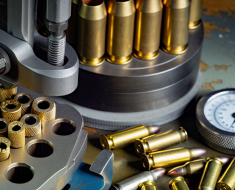
- Reloading Press: The heart of any setup; used for resizing cases, seating bullets, and priming. Common types include single-stage presses (great for beginners), turret presses, and progressive presses (high volume).
- Dies: Precision tools designed for specific calibers that perform functions like resizing cases or seating bullets correctly.
- Scale: Accurate measurement of powder charges is critical—digital or balance beam scales are used.
- Case Tumbler/Cleaner: Cleans spent brass before reloading.
- Coleman Priming Tool or Press Priming Station: Allows safe insertion of primers into cases.
- Sleeve/Calipers: Measure overall cartridge length (OAL) ensuring rounds fit correctly in chambers.
The Step-by-Step Process: From Brass Preparation to Final Cartridge
Ammunition crafting is methodical; skipping steps or rushing can lead to unsafe rounds. Here’s a detailed walkthrough emphasizing safety at every stage.
1. Inspect and Clean Brass Cases
The first step involves inspecting all brass for cracks, splits, corrosion, or deformities that could cause malfunctions or dangerous pressure spikes. After inspection, cases should be thoroughly cleaned using a tumbler with media such as corn cob grit or walnut shells to remove residue and prepare them for resizing.
2. Resize and Deprime Cases
The spent brass expands upon firing; resizing returns it to proper dimensions. Using a sizing die on your press helps achieve this. Simultaneously, spent primers are removed during this step (“depriming”). This ensures proper primer seating during subsequent steps.
3. Trim Case Length if Necessary
If cases have stretched beyond recommended lengths—common after multiple reloads—they must be trimmed with a case trimmer tool to avoid chambering issues or unsafe pressures.
4. Prime the Case
A new primer is carefully seated into the primer pocket using a priming tool or press attachment. Proper seating depth is critical; too deep may cause misfires while too shallow could lead to detonation issues.
5. Charge Powder Carefully
This step demands extreme precision as powder
charges directly affect the performance and safety of the ammunition. Using a reliable scale, measure the appropriate amount of powder for your specific load.
By following these steps, you can safely and effectively craft your own ammunition.