How to Reload Tracer and Specialty Ammunition: A Comprehensive Guide
Reloading ammunition is a rewarding and cost-effective practice embraced by many shooting enthusiasts, hunters, and professionals. Among the various types of ammunition, tracer and specialty rounds present unique challenges and opportunities due to their specific compositions and purposes. This article delves into the intricacies of reloading tracer and specialty ammunition, offering detailed insights, safety considerations, practical tips, and case studies to help reloaders safely produce high-quality rounds tailored to their needs.
Understanding Tracer and Specialty Ammunition
Before diving into the reloading process, it’s crucial to understand what tracer and specialty ammunition are, how they differ from standard rounds, and why reloaders might choose to work with them.
- Tracer Ammunition: These rounds contain a pyrotechnic charge in their base that ignites upon firing, producing a bright visible trace that helps shooters track the projectile’s trajectory. They are widely used in military training, target practice at night, and signaling.
- Specialty Ammunition: This category includes a wide range of cartridges designed for specific purposes such as armor-piercing (AP), incendiary, frangible, subsonic, or non-lethal rounds. Each type features unique bullet compositions or powder loads tailored for particular applications.
The chemical composition of tracer bullets typically includes compounds like strontium nitrate or magnesium-based mixtures that burn brightly in flight. Specialty ammunition may use tungsten cores for armor-piercing or compressed powdered metals for frangible bullets. Reloading these rounds requires precise handling due to the sensitive materials involved.
Essential Safety Precautions When Reloading Tracer and Specialty Rounds
Safety is paramount when dealing with tracer and specialty ammunition due to their pyrotechnic or unconventional components. Mishandling can lead to accidents ranging from premature ignition to toxic exposure.
- Work in a Well-Ventilated Area: Some components emit hazardous fumes when heated or ignited.
- Use Proper Protective Gear: Gloves, eye protection, and respiratory masks should be standard when handling powders or incendiary compounds.
- Avoid Open Flames: Keep the workspace free of sparks or flames as tracer compounds are highly flammable.
- Follow Manufacturer Guidelines: Use powders and primers specifically recommended for these types of ammunition.
- Store Components Safely: Separate pyrotechnic materials from other powders to prevent accidental mixing or ignition.
A notable case study highlighting the dangers occurred in 2018 when an amateur reloader accidentally ignited tracer compound inside his workspace due to static electricity buildup. This incident emphasizes the need for grounding work surfaces and wearing anti-static clothing when handling such materials.
The Reloading Process: Step-by-Step Guide for Tracer Ammunition
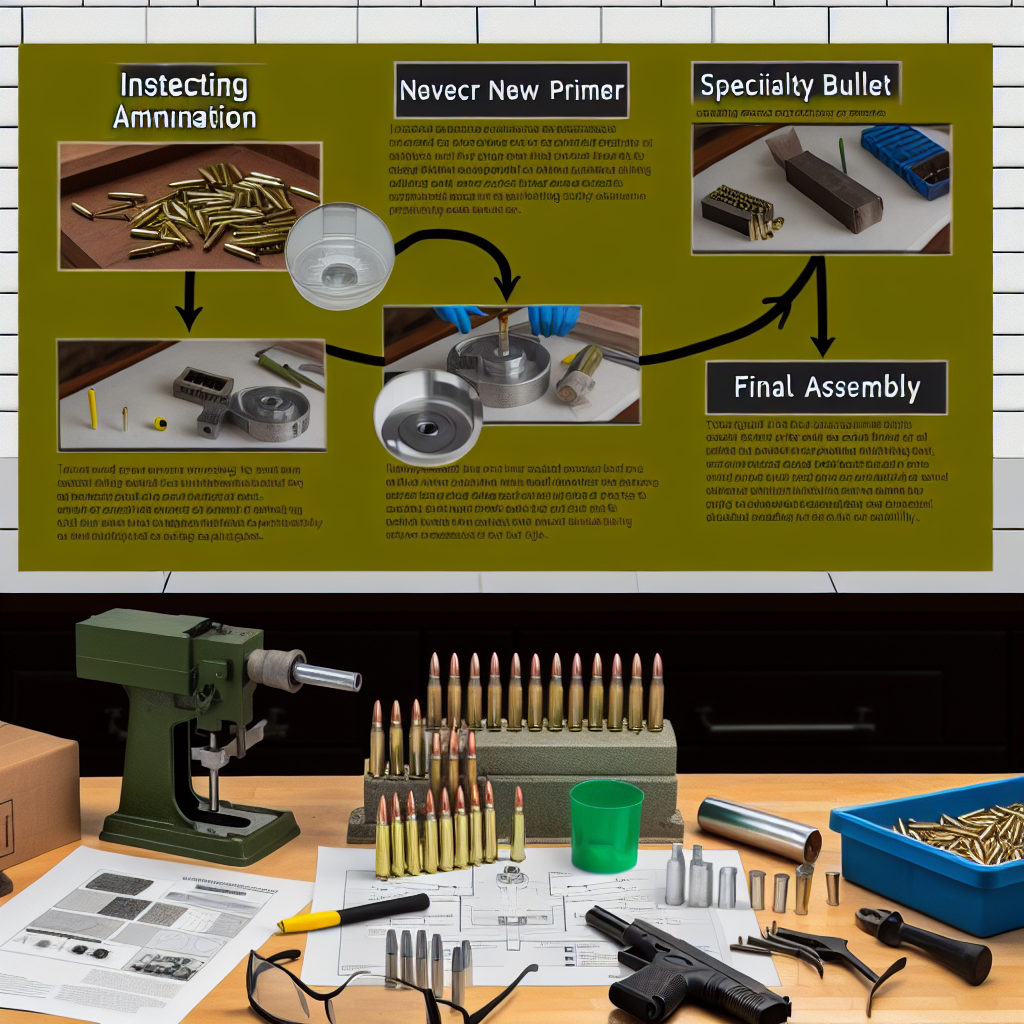
Reloading tracer rounds involves several key steps that require precision. Below is an outline of the process from preparing cases to final loading.
1. Case Preparation
Description: Begin by inspecting used brass cases for cracks or deformities. Clean them thoroughly using ultrasonic cleaners or tumblers to remove residue from previous firings.
- Resize cases using appropriate dies designed for your caliber.
- Trim cases if necessary to specified lengths; tracers often require exact dimensions due to altered pressures.
- Prime cases with match-grade primers suitable for tracer loads (usually small rifle primers).
2. Powder Charging
The choice of powder is critical because it affects pressure curves and burn rates which must complement the pyrotechnic charge inside the bullet base.
- Select powders recommended by reputable sources such as Hodgdon’s published data on tracer loads.
- Dose powder charges carefully using calibrated scales; overcharging can cause catastrophic failure due to increased pressure combined with pyrotechnic effects.
3. Bullet Assembly
The bullet itself contains a tracer compound sealed at its base. When reloading commercially manufactured tracer bullets:
- Seat bullets gently using seating dies ensuring not to crush or dislodge the pyrotechnic material.
- Avoid excessive seating depth; too deep can crush the bullet base altering burn characteristics.
If producing custom tracer bullets (less common due to safety concerns):
- You must source specialized tracer compositions compliant with legal regulations (which vary widely).
- Chemical preparation requires advanced knowledge and equipment beyond typical reloading setups.
4. Crimping
A firm crimp ensures proper bullet retention during recoil but should be balanced against avoiding deformation of the base sealant containing the pyrotechnic mixture.
- Cone crimps or roll crimps are preferred depending on cartridge design.
- Avoid excessive force; test feed cartridges in your firearm magazine before mass production.
5. Final Inspection & Testing
Inspect each round visually under good lighting conditions looking for imperfections such as bulging cases or misaligned bullets. Conduct initial test firings at a controlled range with appropriate safety measures in place.
Conduct initial test firings at a controlled range with appropriate safety measures in place.
By following these steps, you can safely and effectively reload tracer and specialty ammunition for your shooting needs.