How to Reload Without a Reloading Manual: A Comprehensive Guide
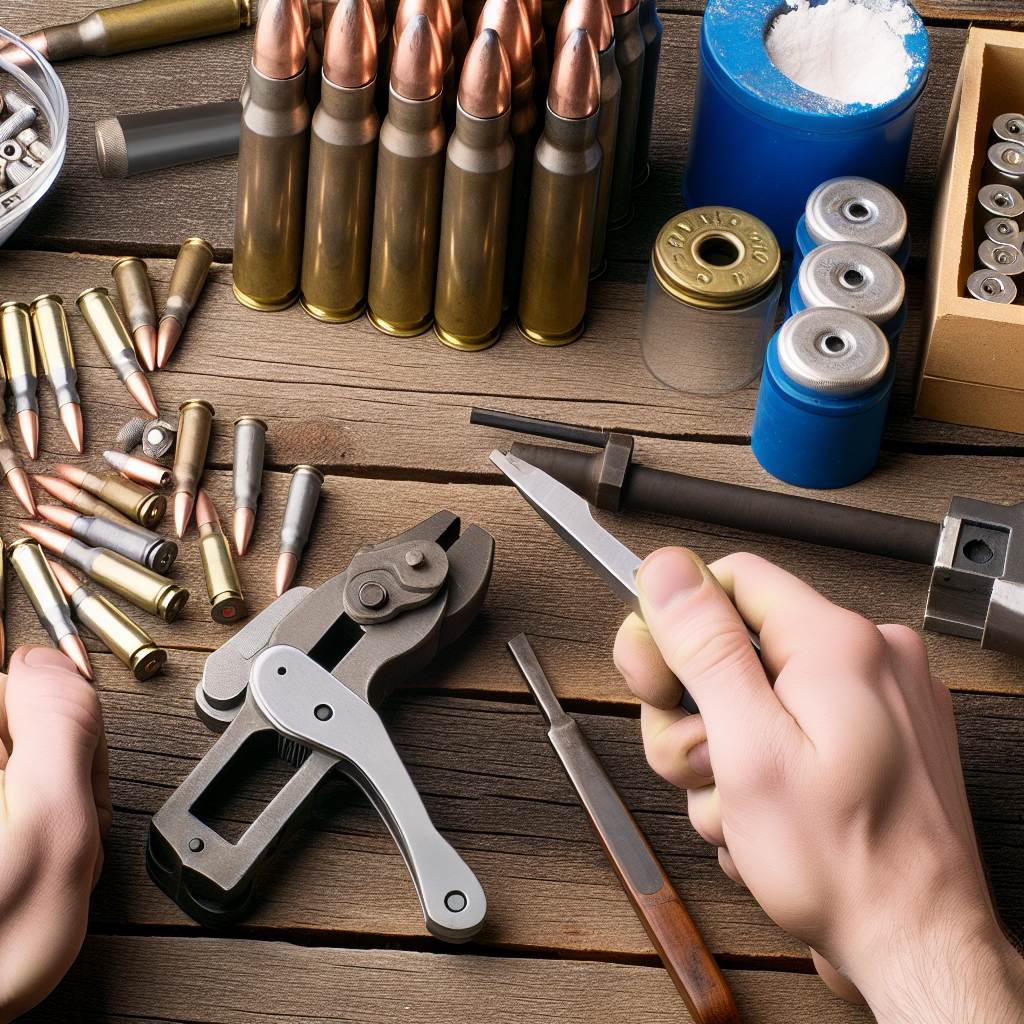
Reloading ammunition is an essential skill for many shooting enthusiasts, hunters, and competitive marksmen. It offers the benefits of cost savings, improved accuracy, and customization of loads to suit specific firearms or shooting conditions. However, reloading without a manual can be daunting and risky due to the precise nature of the process and the safety concerns involved.
This article explores how you can approach reloading safely and effectively without a traditional reloading manual. We will discuss foundational knowledge, essential tools, reliable resources, and best practices that ensure safe reloading while minimizing risks. Whether you have misplaced your manual or are interested in developing a deeper understanding of the craft, this guide provides valuable insights to help you reload confidently.
Understanding the Fundamentals of Ammunition Reloading
Before diving into reloading without a manual, it’s crucial to understand the basic components and principles involved. Reloading is essentially the process of assembling cartridge components—case, primer, powder, and bullet—into a usable round.
- Case: The brass or steel shell that holds all other components together.
- Primer: The ignition source that ignites the powder when struck by the firing pin.
- Powder: The propellant responsible for generating gas pressure to propel the bullet.
- Bullet: The projectile expelled from the barrel upon firing.
The key to successful reloading lies in balancing these components correctly. Too much or too little powder can cause dangerous pressures or poor ballistic performance. Similarly, seating bullets at improper depths or using incorrect primers can cause malfunctions or accidents.
Example: In .223 Remington cartridges, typical powder charges range from about 22 to 27 grains depending on powder type. Exceeding recommended loads by even a grain can lead to overpressure signs such as flattened primers or bulged cases—potentially catastrophic outcomes if ignored.
Essential Tools and Equipment for Reloading Without a Manual
Reloading is impossible without proper tools. While manuals provide load data, having reliable equipment ensures repeatability and safety during assembly.
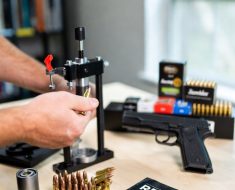
- Reloading Press: Single-stage presses are recommended for beginners due to their simplicity and control.
- Calipers: Digital calipers provide precise measurements of cartridge length and bullet seating depth.
- Scale: A digital powder scale accurate to at least 0.1 grains is crucial for measuring powder charges accurately.
- Case Tumbler/Cleaner: Clean brass ensures consistent results; tumbling removes debris and residue.
- Primer Seating Tool: Consistent primer seating reduces misfires or primer-related malfunctions.
- Bushing Dies & Expander Dies: Adjust dies according to cartridge specifications for proper case resizing.
Apart from these basics, having access to a chronograph (to measure bullet velocity) and a pressure testing tool (such as a pressure trace system) can greatly enhance your ability to develop safe loads independently. These tools provide feedback on your reloads’ performance—critical when lacking formal load data from manuals.
Sourcing Reliable Load Data Without a Manual
The absence of a physical reloading manual does not mean you are entirely without guidance. Several alternative sources provide reliable load data that can substitute traditional manuals when used carefully:
- Manufacturer Websites: Powder manufacturers like Hodgdon, Alliant, IMR, and Winchester publish up-to-date load data on their official sites. These often include detailed tables covering various calibers and powders.
- Ammunition Component Boxes: Many bullet and powder boxes include starting load recommendations printed directly on their packaging.
- Shooting Forums & Communities: Experienced reloaders share their tested load recipes online on platforms like AR15.com, Reddit’s r/reloading subreddit, and The High Road forums. Always verify this information with multiple sources before applying it yourself.
- YouTube Tutorials & Demonstrations: Many expert reloaders demonstrate step-by-step processes along with load data explanations in video form. Some channels emphasize safety precautions extensively.
Cautionary Note: While these resources are valuable, they should never replace verified load manuals entirely unless cross-checked with manufacturer data. Always start with minimum recommended loads first and work up slowly while watching for pressure signs or inconsistencies in your firearm’s function.
The Step-by-Step Process of Reloading Safely Without a Manual
If you decide to reload without a manual at hand, follow these critical steps carefully to maintain safety and consistency throughout the process:
Select Your Components Wisely
Select brass cases in good condition—no cracks or deep dents—and primers recommended for your caliber (small rifle vs large rifle primers). Choose bullets appropriate for your firearm’s intended use (e.g., match-grade bullets for target shooting).
Tumble and Inspect Brass
Tumble cases thoroughly using corn cob or walnut media until clean. Inspect each case under good lighting; discard any with defects such as splits or heavy corrosion.
Verify case dimensions to ensure they meet specifications for safe reloading. This step is crucial to avoid potential malfunctions or safety hazards.
By following these guidelines, you can reload safely and effectively even without a manual.