How to Troubleshoot Case Neck Issues
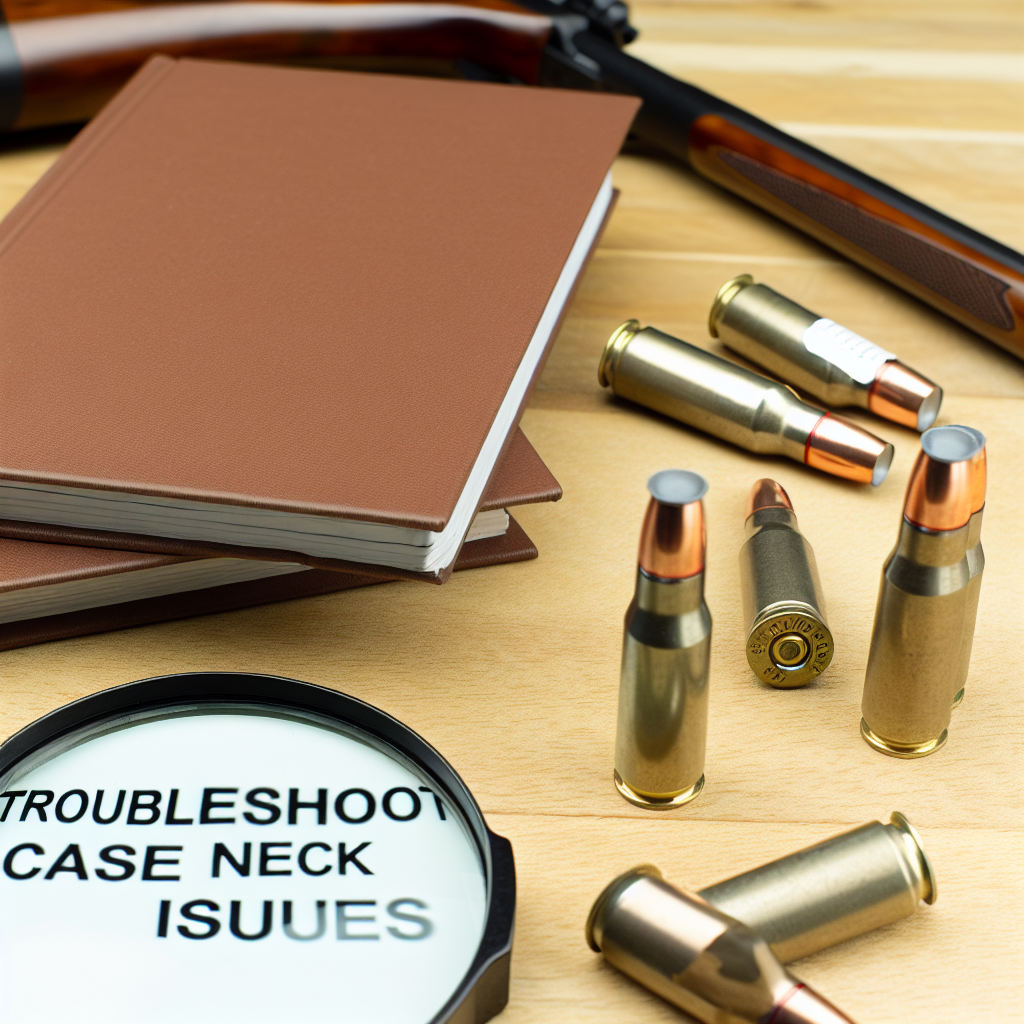
Reloading ammunition is a precise and rewarding process, but it demands attention to detail and a solid understanding of potential issues that can arise. One common challenge reloaders face is case neck problems, which can affect the safety, accuracy, and reliability of their rounds. Whether you are a novice or an experienced handloader, troubleshooting case neck issues is crucial for consistent performance.
This article delves deeply into the causes, symptoms, and solutions for case neck problems, providing you with practical advice and expert insights to help you perfect your reloading process.
Understanding Case Neck Issues: What Are They and Why Do They Matter?
The case neck is the portion of a cartridge case that holds the bullet in place. It’s a critical area because it directly influences bullet seating, retention, and ultimately the pressure generated upon firing.
Common case neck issues include:
- Neck Thickness Variations: Uneven or excessive thickness can cause inconsistent bullet tension.
- Case Neck Splits: Cracks or splits in the neck area due to stress or improper handling.
- Improper Neck Sizing: Incorrect resizing can lead to poor bullet grip or chambering problems.
- Neck Tension Loss: Bullets may slip if the neck doesn’t hold them firmly enough.
These issues impact everything from chamber fit to internal ballistics. For instance, inconsistent neck tension can cause erratic muzzle velocities, reducing accuracy and increasing the risk of unsafe pressure levels.
Common Causes of Case Neck Problems
Troubleshooting begins with understanding why case neck problems occur. Here are some primary causes:
- Poor Resizing Technique: Using incorrect dies or improper die adjustments can cause over- or under-sizing of the neck.
- Case Material Fatigue: Brass cases weaken over repeated firings and resizing cycles.
- Lack of Proper Lubrication: This can lead to uneven resizing forces causing splits or dents.
- Excessive Neck Thickness from Reloading Practices: For example, not deburring after trimming cases may create sharp edges that stress the neck during resizing.
- Poor Quality Brass: Inconsistent brass composition can affect how the neck behaves under pressure and resizing stresses.
A study by the Sporting Arms and Ammunition Manufacturers’ Institute (SAAMI) found that nearly 30% of reload failures were related to improper case preparation and handling—highlighting how critical proper technique is for avoiding case neck troubles.
Troubleshooting Steps for Case Neck Issues
If you encounter any symptoms such as difficulty seating bullets, visible cracks on the neck, or inconsistent velocities during chronograph testing, follow these steps to diagnose and fix the problem:
1. Inspect Your Cases Thoroughly
The first step is careful visual inspection. Use a magnifying glass or microscope if possible. Look for splits, cracks, dents, or irregularities in thickness. Pay special attention to the inside of the neck as well as the exterior surface.
- If you notice splits or cracks, discard those cases immediately—reloading damaged brass is unsafe.
- If there are dents or marks on the inside of the neck caused by previous bullets or resizing tools, these may require smoothing or polishing with a mandrel.
2. Measure Neck Thickness Uniformly
Using a precision micrometer capable of measuring in thousandths of an inch (0.001″), measure multiple points around each case’s neck circumference. Variations greater than 0.002″ can cause inconsistent bullet grip and pressure anomalies.
- If you find significant thickness variations between cases or even within one case’s neck circumference, consider turning your case necks on a lathe if your reloading press setup allows it.
- This process removes excess brass from thicker areas and creates uniform wall thickness across all cases.
3. Check Your Resizing Dies and Process
Your choice and setup of resizing dies greatly influence case neck quality. For example:
- Sizing Die Type: Full-length sizing dies resize both body and neck; neck sizing dies only resize the neck portion. Using full-length dies excessively may stress your brass more than necessary.
- Die Adjustment: The expander ball inside your die must be properly lubricated and sized correctly; too large an expander ball can thin out your case neck walls leading to splits; too small may not expand enough causing excessive tension on bullets.
If you experience consistent issues after resizing, try adjusting your die settings slightly or switching to different types (such as bushing dies which allow customizable neck sizing).
4. Lubricate Properly Before Resizing
Lubrication prevents cases from sticking inside dies during resizing—a major contributor to uneven stretching and damage in the case neck region.
- Cylinder-type lubes designed specifically for reloading brass are recommended over generic oils which can gum up your equipment.
-
A thin coat applied evenly ensures smooth resizing without causing damage to the brass. Proper care and attention to these details will help maintain the integrity of your cases.