Collecting Civil War Era Firearms: A Beginner’s Guide
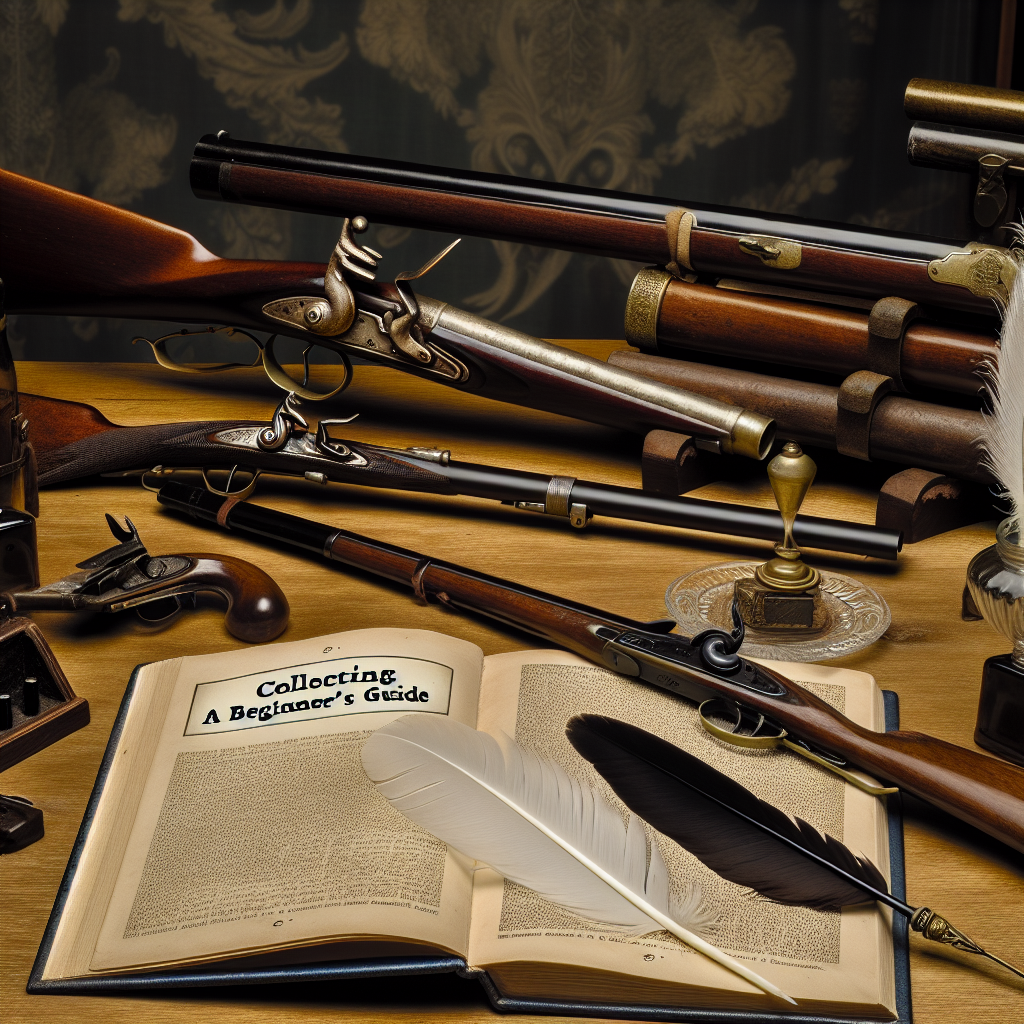
The American Civil War (1861–1865) stands as one of the most significant and transformative periods in United States history. Beyond its profound social and political implications, it also marked a pivotal moment in the evolution of firearms technology. For collectors, Civil War era firearms offer a fascinating window into this turbulent time, combining historical significance with mechanical ingenuity. However, entering the world of Civil War firearm collecting can be daunting for beginners due to the variety of weapons, their historical contexts, and the complexities of authentication.
This guide aims to provide a comprehensive introduction to collecting Civil War era firearms, offering practical advice, historical background, and valuable tips for novice collectors. Whether you’re interested in acquiring a genuine piece of history or simply want to understand more about these iconic weapons, this article will help you start your journey with confidence.
Understanding the Historical Context of Civil War Firearms
Before diving into specific models or types of firearms, it’s essential to grasp the historical backdrop that shaped these weapons. The Civil War was a period of rapid technological advancement in weaponry, which greatly influenced battlefield tactics and outcomes.
During the war, both the Union (North) and Confederate (South) armies used a diverse range of firearms that reflected differing industrial capabilities and resource availability:
- Union Arsenal: The North had access to established manufacturing facilities and could produce standardized rifles and muskets in large quantities.
- Confederate Arsenal: The South faced challenges due to limited industrial capacity and often relied on imported arms or captured Union weapons.
This divergence led to a fascinating array of firearms on both sides — from mass-produced models like the Springfield rifle-musket to imported British Enfield rifles used by Confederates. Understanding these distinctions is crucial for collectors when identifying provenance and value.
Key Types of Civil War Firearms to Collect
Civil War era firearms can be broadly categorized into several types based on their design, function, and usage. Here are some essential categories every beginner should know about:
Muskets and Rifled Muskets
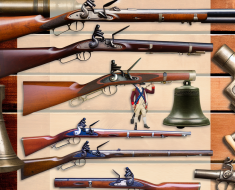
The most common infantry weapon during the Civil War was the rifled musket — an evolution from traditional smoothbore muskets. Rifling involved grooves inside the barrel that imparted spin on the bullet, increasing accuracy significantly over longer distances.
- M1855 Springfield Rifle-Musket: Manufactured by the Springfield Armory in Massachusetts, this was one of the Union’s primary weapons with over 900,000 units produced during the war.
- Pattern 1853 Enfield Rifle-Musket: A British-made firearm widely used by both Union and Confederate troops due to its reliability and accuracy.
- M1842 Musket: An older smoothbore model still used early in the war but gradually replaced by rifled muskets.
Pistols and Revolvers
Pistols were primarily carried by officers or cavalry units. Revolvers became increasingly popular due to their multiple-shot capacity compared to single-shot pistols.
- Colt Army Model 1860 Revolver: One of the most iconic handguns used by Union forces; chambered in .44 caliber with six shots.
- Remington Model 1858 Revolver: Favored for its durability and ease of repair in field conditions; saw widespread use on both sides.
- LeMat Revolver: A unique Confederate weapon featuring nine rounds plus an additional shotgun barrel for close combat.
Carbines
Cavalry units often preferred carbines — shorter-barreled rifles that were easier to handle on horseback but still effective at range.
- Sharps Carbine: Known for its breech-loading mechanism that allowed faster reloads compared to muzzle-loaders; highly prized by Union cavalrymen.
- Spenser Repeating Carbine: An innovative repeating rifle with a seven-round magazine; rare but highly collectible today.
The Importance of Authenticity: Identifying Genuine Civil War Firearms
A major challenge for collectors is distinguishing authentic Civil War firearms from reproductions or altered pieces. The market has many replicas made for reenactors or decorative purposes that may look convincing but lack historical value.
Here are key factors beginners should consider when verifying authenticity:
- Manufacturer Markings: Original guns often bear distinct markings such as “Springfield Armory,” “Colt,” or proof marks from foreign manufacturers like “Royal Small Arms Factory” on Enfields.
- Date Stamps: Look for serial numbers or date stamps consistent with production years during the war (roughly 1860–1865).
- Wear Patterns: Genuine artifacts show natural wear including patina on metal parts, wood grain aging, and signs of use like scratches or dings consistent with battlefield conditions.
- Documentation & Provenance: Provenance can include military records, letters, or photographs tying a firearm to a specific soldier or battle — these enhance value significantly.
If uncertain about an item, consider consulting with a reputable appraiser or joining a collector’s group for guidance.
With careful research and attention to detail, collecting Civil War era firearms can be a rewarding and enriching hobby.