The Story Behind the Dragunov Sniper Rifle
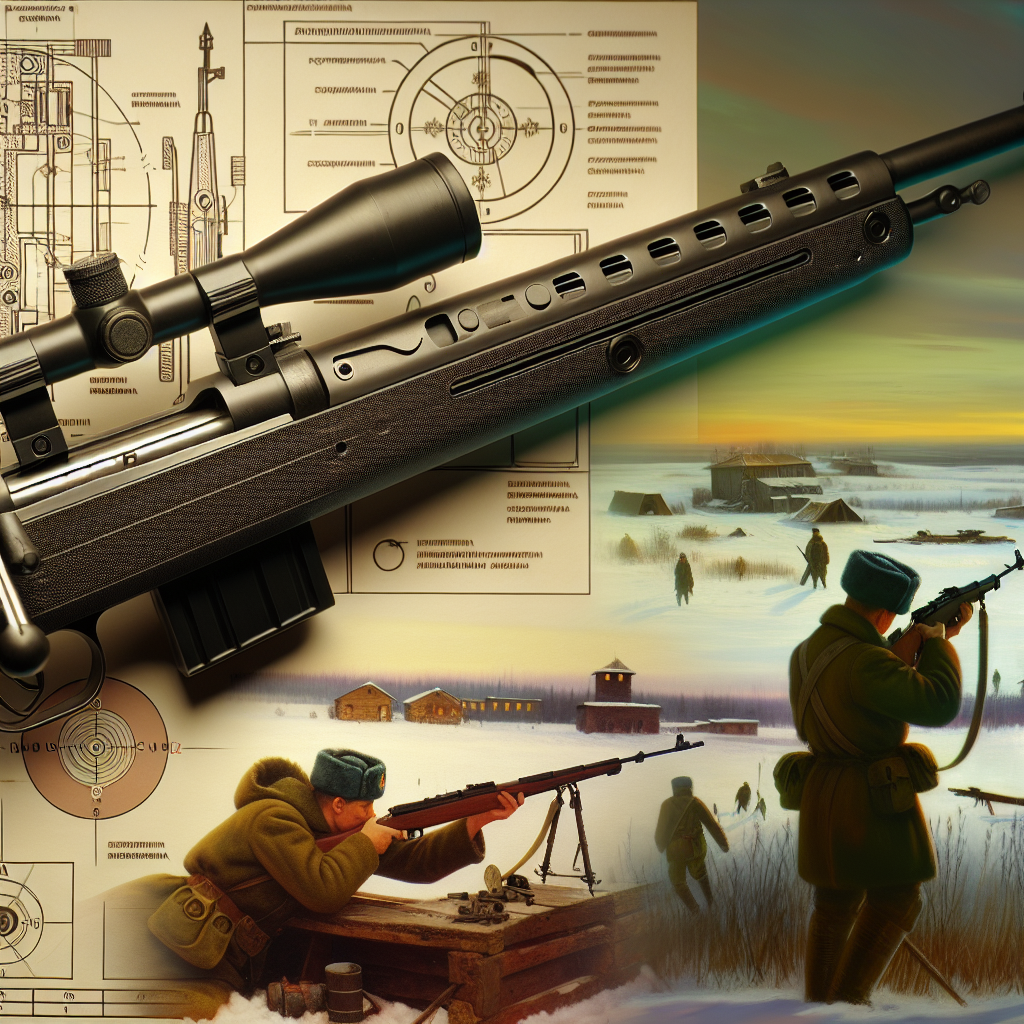
The Dragunov sniper rifle, known officially as the SVD (Snayperskaya Vintovka Dragunova), stands as one of the most iconic and enduring marksman rifles in military history. Developed during the Cold War era by the Soviet Union, this semi-automatic sniper rifle was designed to fill a specific tactical niche on the modern battlefield. Unlike traditional sniper rifles which prioritize extreme long-range precision, the Dragunov was created to provide designated marksmen with enhanced range and accuracy over standard infantry rifles while maintaining rapid-fire capability.
This article delves into the fascinating history, design philosophy, and global impact of the Dragunov sniper rifle. By exploring its origins, technical specifications, battlefield usage, and legacy, readers will gain a comprehensive understanding of why this rifle remains relevant decades after its introduction.
Origins: The Need for a Designated Marksman Rifle
In the aftermath of World War II, military strategists around the world began reassessing infantry tactics and weaponry. The Soviet Army recognized a growing need for an intermediate solution between standard infantry rifles and specialized sniper rifles. Conventional sniper rifles were typically bolt-action and required lengthy setup times, limiting their utility in fast-paced combat scenarios.
The Soviet military sought a weapon that could provide effective precision fire out to medium ranges—approximately 800 meters—while still allowing rapid semi-automatic fire. This would enable designated marksmen embedded within regular infantry squads to engage targets more effectively without requiring full sniper training or equipment.
- Existing Limitations: Standard-issue AK-47 assault rifles had an effective range of roughly 300-400 meters but lacked accuracy at longer distances.
- Sniper Rifle Constraints: Traditional bolt-action rifles like the Mosin-Nagant or later models offered accuracy but sacrificed rate of fire and mobility.
- Design Brief: A semi-automatic rifle with enhanced optics and improved barrel rifling capable of engaging targets at extended ranges.
To fulfill these requirements, a competition was launched in the late 1950s within Soviet arms design bureaus. The objective was clear: develop a reliable, rugged rifle that bridged the gap between assault rifles and dedicated sniper platforms.
The Designer Behind the Legend: Evgeniy Dragunov
The man responsible for creating this groundbreaking rifle was Evgeniy Fyodorovich Dragunov, a talented firearms designer who worked for the Izhevsk Mechanical Plant (Izhmash). Born in 1920, Dragunov had already contributed to several Soviet small arms projects before embarking on his most famous work.
Dragunov’s approach to design combined practical engineering with innovative features tailored for real-world combat use. His prototype was initially called “OTs-03,” but following successful trials and adoption by the Soviet military in 1963, it became known as the SVD—Snayperskaya Vintovka Dragunova (Dragunov Sniper Rifle).
- Semi-Automatic Action: Unlike traditional bolt-action snipers, Dragunov’s design utilized a gas-operated system derived from the AK series but optimized for accuracy.
- Lightweight Durability: The rifle balanced weight with robustness; weighing around 4.3 kilograms (9.5 lbs), it was portable enough for infantry maneuvering.
- Optics Innovation: The PSO-1 telescopic sight was specially developed alongside the SVD to maximize target acquisition at medium ranges.
The combination of these features made the Dragunov revolutionary: it provided designated marksmen with an effective tool that could suppress enemy troops at ranges previously unreachable by standard infantry weapons.
Technical Specifications and Design Features
The technical prowess of the Dragunov lies in its unique blend of components optimized for both accuracy and reliability under harsh conditions. Key specifications include:
- Caliber: 7.62×54mmR – A powerful rimmed cartridge also used in machine guns and older Mosin-Nagant rifles; known for excellent ballistic performance over long distances.
- Muzzle Velocity: Approximately 830 meters per second (2,723 feet per second).
- Effective Range: Roughly 800 meters for precise targeting; maximum range extends beyond 1,300 meters depending on shooter skill and environmental conditions.
- Semi-Automatic Gas Operation: Enables rapid follow-up shots compared to bolt-action systems.
- Magazine Capacity: Detachable box magazine holding 10 rounds.
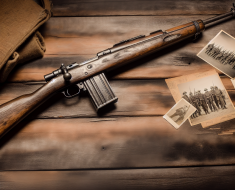
Aesthetically distinct from many Western sniper rifles due to its skeletonized wooden stock and integrated bipod mount, the Dragunov also featured a thumbhole stock that enhanced shooter stability without adding unnecessary weight. Its barrel incorporated polygonal rifling—a feature that improved bullet spin consistency and thereby accuracy while simplifying cleaning procedures.
The PSO-1 scope deserves special mention as well. It includes rangefinding reticles calibrated for ballistic drop compensation out to nearly a kilometer—a critical aid given that many designated marksmen may not have advanced training in ballistics calculations during combat engagements.
The Dragunov in Combat: Case Studies Across Conflicts The SVD quickly became standard issue among Soviet forces, proving its effectiveness in various combat scenarios.
Its design and capabilities have made it a lasting symbol of precision and reliability in military history.