The History of the Colt Single Action Army Revolver
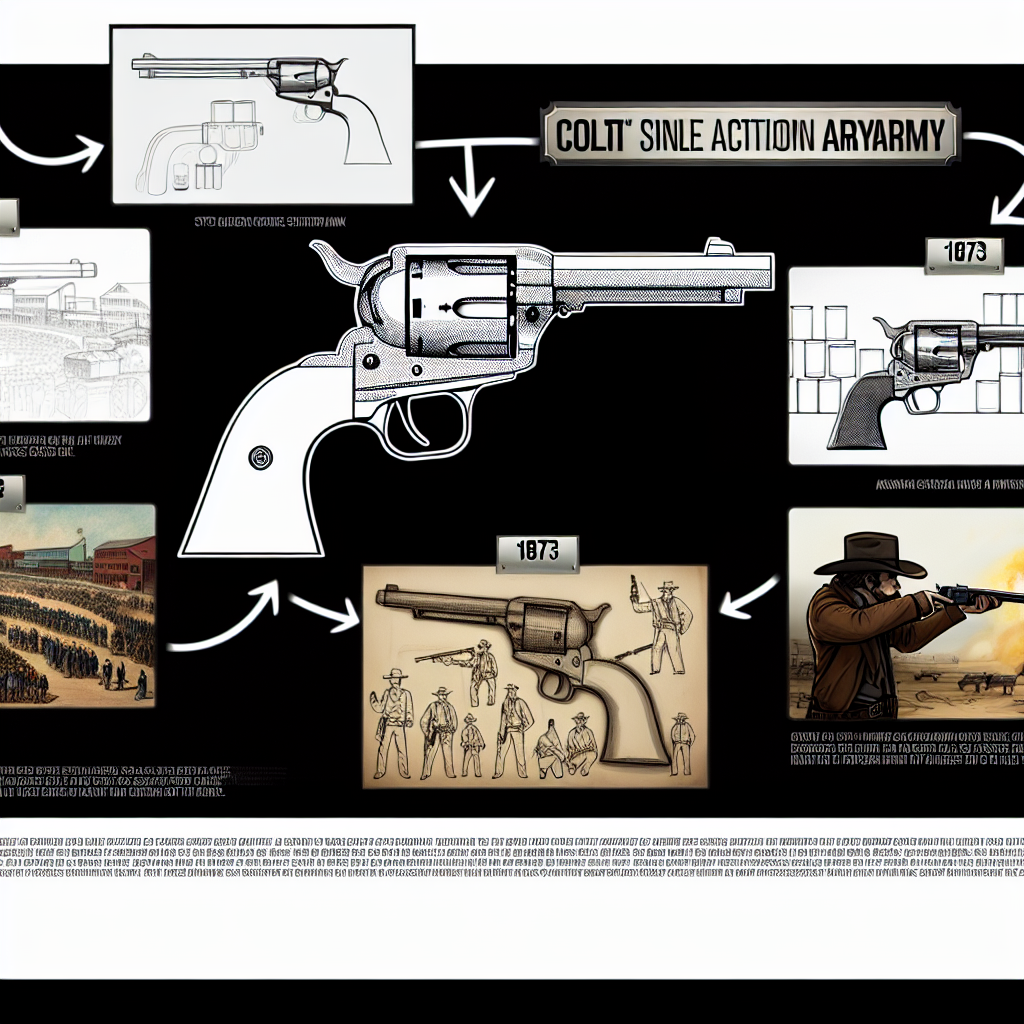
The Colt Single Action Army (SAA) revolver, often referred to as the “Peacemaker,” is one of the most iconic firearms in American history. Known for its rugged design, reliability, and association with the Old West, this revolver has left an indelible mark on both firearm technology and American culture. In this article, we will explore the origins, development, impact, and legacy of the Colt Single Action Army revolver through a comprehensive historical lens.
Origins and Development: Birth of an Icon
The story of the Colt Single Action Army revolver begins in the late 19th century when the United States was undergoing rapid expansion westward. The need for reliable sidearms was paramount for soldiers, law enforcement officers, and civilians alike. Samuel Colt’s company had already made a name for itself with earlier revolvers, but technological advancements demanded a new design.
In 1872, Colt’s Manufacturing Company started working on what would become their most famous firearm. The goal was to create a revolver that was robust, simple to operate, and capable of firing a powerful cartridge suitable for military use. By 1873, the design was finalized and adopted by the U.S. Army as the “Model 1873,” marking its official entry into service.
- Design Features: The Colt SAA featured a six-shot cylinder chambered primarily in .45 Colt caliber.
- Single-action mechanism: It required manually cocking the hammer before each shot, which contributed to its accuracy.
- Durability: The robust steel frame and reliable mechanism made it suitable for harsh frontier conditions.
This blend of power and precision made it an instant favorite among soldiers during post-Civil War conflicts as well as among settlers moving westward.
The Peacemaker’s Role in the American West
The Colt Single Action Army quickly earned its nickname—the “Peacemaker”—because it was seen as a symbol of law and order in an often lawless frontier. Its widespread adoption by lawmen, outlaws, cowboys, and Native Americans alike highlights its versatility and cultural significance during this era.
The revolver’s role extended beyond mere utility; it became embedded in numerous legendary events and figures:
- Lucky Luke and Wild Bill Hickok: Famous gunslingers who carried versions of the Colt SAA contributed to its mythos.
- The Gunfight at the O.K. Corral (1881): This legendary shootout involved lawmen who were likely armed with Colt SAAs or similar revolvers.
- Cattle Drives and Ranching: Cowboys relied on it for protection against wildlife and hostile encounters on long cattle drives.
The revolver’s combination of stopping power (.45 Colt round) and reliability helped solidify its reputation during this tumultuous period. It was praised not only for its effectiveness but also for its craftsmanship—a quality that set it apart from many competitors.
Technical Innovations and Variants Over Time
While the original Model 1873 design remained largely consistent over time, Colt introduced several improvements and variants to meet evolving demands. Some of these adaptations helped maintain its relevance well into the 20th century.
- Caliber Options: Though initially chambered primarily in .45 Colt, later models were available in calibers such as .44-40 Winchester and .38-40 Winchester to accommodate different users’ preferences.
- Barrel Length Variations: Barrel lengths ranged from 4¾ inches (the “Civilian” model) to 7½ inches (the “Artillery” model), catering to different tactical needs.
- M1892 Variant: Introduced later with minor modifications including improved sights and finishes to adapt to modern military requirements.
- Materials & Finishes: Early models used blued steel finishes while some later editions featured nickel plating or special engraving options for collectors or presentation purposes.
The durability of the original design also meant that many peacemakers remained serviceable after decades of use—testimony to Samuel Colt’s engineering prowess. Even today, many modern reproductions closely follow this classic blueprint due to its timeless efficiency.
The Colt SAA in Military Service: From Frontier Wars to Modern Conflicts
The U.S. military adopted the Model 1873 as their standard sidearm following numerous trials against competing designs such as Smith & Wesson revolvers. The reasons behind this choice were multifaceted:
- Simplicity: Its single-action mechanism was easier to maintain under field conditions compared to more complex double-action revolvers available at that time.
- Ammunition Power: The .45 Colt cartridge offered superior stopping power compared with smaller calibers used by other sidearms.
The Peacemaker saw active service during various Indian Wars from 1873 until it was gradually replaced by newer handguns like the M1911 semi-automatic pistol starting around World War I. However, even after official retirement from frontline duty in 1892 (when replaced by more modern designs), many soldiers continued using their trusted Colts privately or within auxiliary units for years afterward.</