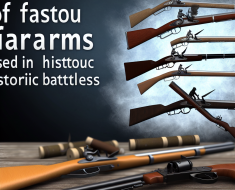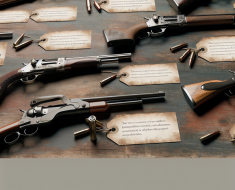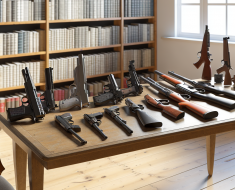
Collecting Firearms from the American Revolution: A Journey into History
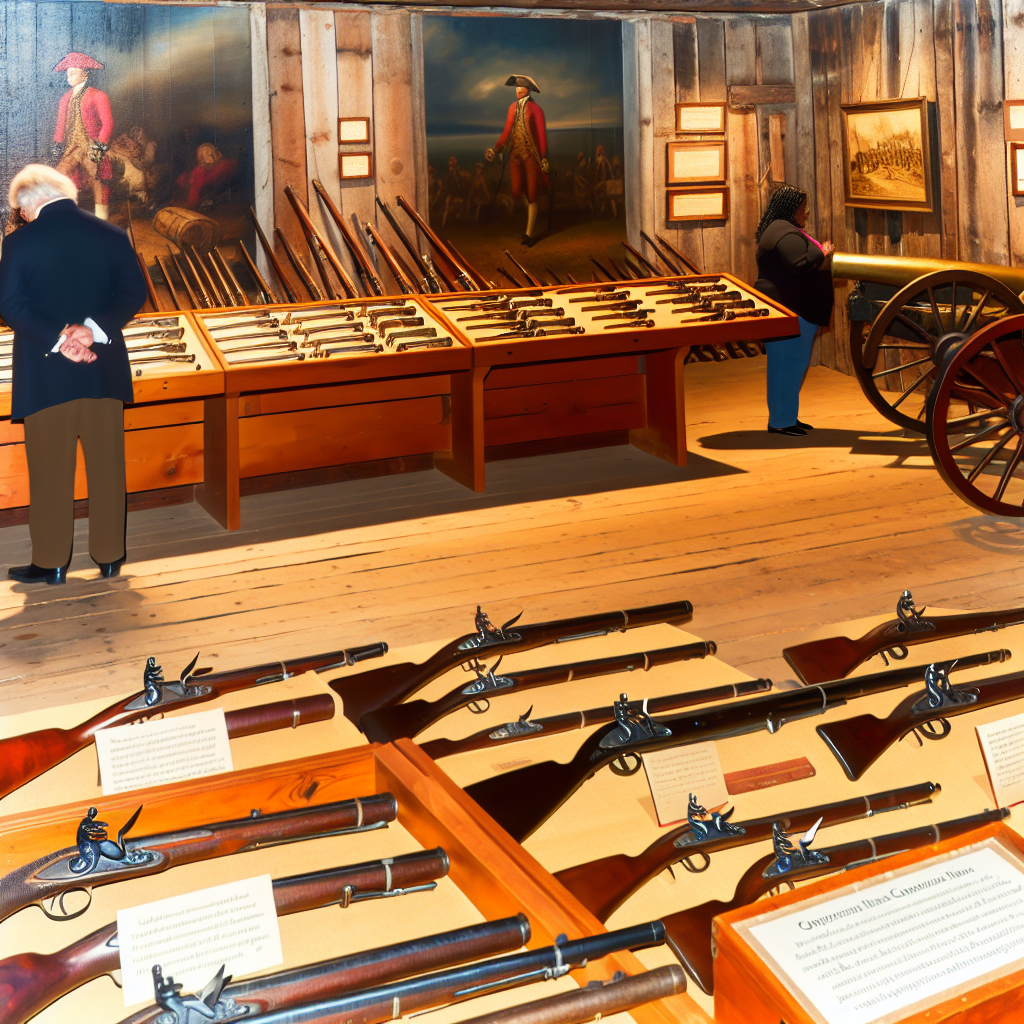
The American Revolution remains one of the most defining periods in United States history, symbolizing the struggle for independence, freedom, and self-governance. Among the many artifacts that bring this era to life, firearms from the Revolutionary War hold a special place for historians, collectors, and enthusiasts alike. Collecting these historic weapons offers a tangible connection to the past, encapsulating stories of bravery, innovation, and craftsmanship.
This article explores the fascinating world of collecting firearms from the American Revolution. We will delve into the types of firearms used during this period, key considerations for collectors, notable examples and case studies, and practical advice on preservation and authentication. Whether you are a seasoned collector or a curious history buff, this comprehensive guide will provide valuable insights into acquiring and appreciating these remarkable pieces of history.
The Historical Significance of Revolutionary War Firearms
Firearms played an instrumental role in shaping the outcome of the American Revolution (1775-1783). Understanding their historical context is essential for any collector aiming to appreciate their value beyond mere aesthetics or rarity.
- Technological Evolution: The Revolutionary War era marked a transition from traditional muskets to more sophisticated flintlock mechanisms. These weapons were pivotal on battlefields across North America.
- Symbolism: Firearms from this period symbolize the fight for liberty and self-determination. They represent not just tools of war but also artifacts of national identity.
- Diversity of Use: Both British and American forces utilized an array of firearms, including muskets, rifles, pistols, and even specialized weapons like cavalry carbines.
Collecting these firearms offers more than ownership; it provides a direct link to understanding the strategies, challenges, and daily realities faced by soldiers during this tumultuous time.
Types of Firearms Used During the American Revolution
The variety of firearms employed during the Revolutionary War reflects both technological advancements and tactical necessities. Knowing these types helps collectors identify authentic pieces and appreciate their uniqueness.
Muskets
The musket was the most common firearm used by infantry soldiers on both sides. The British commonly used the Brown Bess, a .75 caliber smoothbore musket known for its reliability and ease of manufacture.
- Brown Bess Musket: Manufactured in England, it was standard issue for British troops. Characterized by its long barrel (around 46 inches) and flintlock firing mechanism.
- Muskets Used by Americans: The Continental Army often relied on captured Brown Bess muskets or locally made versions inspired by them due to limited manufacturing capacity.
Rifles
Rifles were less common but highly prized for their accuracy at longer ranges. American militia units frequently used rifles such as the Kentucky or Pennsylvania rifle.
- Kentucky Rifle: Known for its long barrel (up to 44 inches) and rifled bore that improved accuracy over muskets’ smoothbore barrels.
- Pennsylvania Rifle: Similar to the Kentucky rifle but often with distinctive decorative inlays and craftsmanship reflecting local gunsmiths’ skills.
Pistols and Carbines
Cavalry units and officers often carried pistols or carbines—shorter rifles designed for mounted combat or close quarters.
- Pistols: Flintlock pistols were popular among officers; many were ornate with brass or silver fittings.
- Carbines: Short-barreled firearms useful for cavalrymen who needed mobility without sacrificing firepower.
Key Considerations for Collectors
The market for Revolutionary War firearms is complex due to factors like rarity, provenance, condition, and legal regulations. Collectors must approach acquisitions with care to ensure authenticity and value retention.
Authenticity and Provenance
The most critical factor in collecting is confirming that a firearm genuinely dates back to the Revolutionary period. Provenance—the documented history of ownership—can dramatically increase a weapon’s value.
- Museum Documentation: Firearms previously owned or displayed by reputable institutions carry significant credibility.
- Solder Markings & Unit Identification: Some weapons bear unit marks or soldier initials etched during service that can verify authenticity.
- Avoiding Reproductions: The market is flooded with reproductions; professional appraisal is recommended before purchase.
Condition Assessment
The state of preservation directly influences both aesthetic appeal and monetary worth. Key aspects include:
- Bore Integrity: Rust-free bores maintain value better than corroded ones.
- Muzzle Wear & Barrel Straightness: Excessive wear can compromise firing capability (if functional) but also affects collector interest.
- Original Finish & Components: Retention of original wood stocks, metal finishes, locks, hammers, and triggers is vital.
Legal Considerations
Laws regarding
firearm ownership vary by state and can impact the legality of collecting certain historical pieces. It’s essential to stay informed about local regulations to ensure compliance while building your collection.
In conclusion, understanding these factors can enhance both the enjoyment and value of your firearm collection from the American Revolution.