Understanding Firearm Serial Numbers and Their Importance
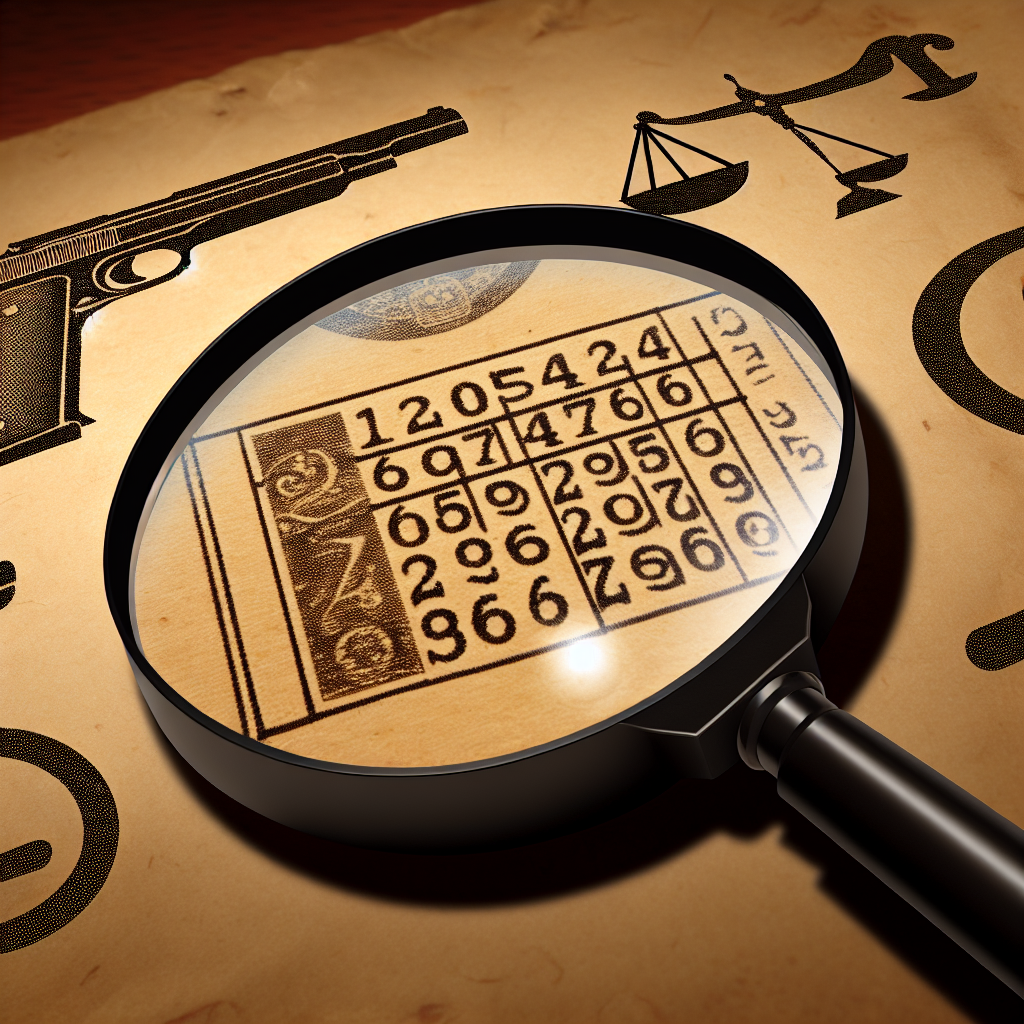
Firearms have played a significant role in human history, serving purposes ranging from hunting and self-defense to law enforcement and military applications. Amidst the vast array of components and features that define a firearm, one element stands out for its critical role in identification and regulation: the firearm serial number. This unique alphanumeric code engraved on every legally manufactured firearm serves as its fingerprint, providing vital information for manufacturers, owners, law enforcement agencies, and regulatory bodies.
In this article, we will explore the intricacies of firearm serial numbers, their history, how they are used today, and why they remain essential in promoting safety, accountability, and legal compliance.
The Origins and Evolution of Firearm Serial Numbers
The concept of marking firearms with serial numbers dates back to the early 20th century. Before this practice became widespread, it was challenging to track firearms due to the lack of standardized identification methods. The introduction of serial numbers revolutionized firearm manufacturing and regulation by enabling traceability.
In the United States, the Gun Control Act (GCA) of 1968 marked a turning point by mandating that all firearms manufactured or imported into the country bear a unique serial number. This legislation aimed to curb illegal gun trafficking and enhance law enforcement’s ability to track firearms used in crimes.
- Early Practices: Prior to standardized serial numbers, manufacturers sometimes stamped batch or model numbers on firearms but lacked individual identifiers.
- Gun Control Act of 1968: Required serialization for all firearms to improve tracking capabilities.
- Modern Developments: Advances in technology have introduced laser engraving and microstamping techniques for more precise and tamper-resistant markings.
Globally, different countries have adopted varying standards for firearm serial numbering based on their regulatory frameworks. For example, European Union member states follow directives that require traceability from manufacture to sale within their markets.
What Are Firearm Serial Numbers? Structure and Placement
A firearm serial number is a unique combination of letters, numbers, or both assigned sequentially or through an alphanumeric system by the manufacturer. This identifier distinguishes one firearm from another even if they are identical models.
The structure of serial numbers varies between manufacturers but generally follows these principles:
- Uniqueness: Each firearm receives a distinct code not repeated on any other unit made by the same manufacturer.
- Alphanumeric Composition: Serial numbers can contain digits (0-9), letters (A-Z), or a combination thereof.
- Date or Batch Codes: Some manufacturers embed production dates or batch identifiers within the serial number sequence.
The placement of serial numbers is also regulated to ensure visibility and durability. Common locations include:
- Frame or Receiver: The primary part legally considered the “firearm” under most laws must bear the serial number.
- Barrel: Some models feature additional markings here for identification or authenticity verification.
- Slide or Cylinder: In pistols or revolvers, these components may carry secondary marks related to manufacturing codes.
A typical example can be seen in Glock pistols where the serial number is engraved on the frame just below the trigger guard. This ensures that even if other parts are replaced or altered, the core identifier remains intact.
The Critical Role of Serial Numbers in Law Enforcement
One of the most important functions of firearm serial numbers lies in aiding law enforcement agencies worldwide in crime investigation and prevention. By tracing a gun’s history through its serial number, authorities can uncover crucial information such as ownership records, manufacturing details, and transfer histories.
- Crime Scene Investigations: When a firearm is recovered from a crime scene, its serial number allows police to trace its origin and previous owners via databases maintained by manufacturers and regulatory agencies.
- The National Crime Information Center (NCIC): In the U.S., this database stores records of stolen guns identified by their serial numbers helping recover lost property quickly.
- Shooting Incident Analysis: Serial numbers help link multiple crimes involving similar weapons or identify illegal trafficking patterns across jurisdictions.
A notable case illustrating this process involved the recovery of weapons used during the Las Vegas shooting in 2017. Investigators traced multiple firearms back to their original buyers using serial numbers despite attempts by perpetrators to obscure markings. This helped establish timelines and ownership chains critical for forensic analysis.
The Importance of Serial Numbers for Gun Owners
Beyond law enforcement applications, firearm owners benefit significantly from properly recorded serial numbers. These identifiers provide a safeguard against theft, loss, and legal disputes over ownership rights.
- Theft Prevention & Recovery: Registering a gun’s serial number with local authorities improves chances of recovery if stolen since stolen firearms are often flagged in databases checked during resale or law enforcement stops.
- Insurance Claims: Owners can provide serial numbers when filing insurance claims related to theft or damage which streamlines processing.
- Selling & Transferring Firearms: Legal transactions require accurate documentation including recording serial numbers to comply with background checks and transfer laws.
Legal transactions require accurate documentation including recording serial numbers to comply with background checks and transfer laws.
In summary, understanding and maintaining firearm serial numbers is essential for both legal compliance and personal security.