An AR-15 is known for its reliability, but even a well-built rifle can start to feel sluggish over time. When the action becomes slow, sticky, or inconsistent, the cause is often not a major mechanical failure but something much simpler: fouling, friction, heat, and insufficient lubrication. For owners who use their rifles for sport, hunting, home defense, or training, understanding these signs is part of responsible firearm ownership.
The good news is that many cycling issues can be traced to maintenance habits that are easy to correct. A proper cleaning routine, the right lubricant, and attention to the rifle’s wear points can restore smooth function and help prevent unnecessary stress on parts. As always, any maintenance should be done with the firearm unloaded and pointed in a safe direction, following the manufacturer’s instructions and all applicable laws.

Why Your AR-15 Starts Feeling Slow and Sticky
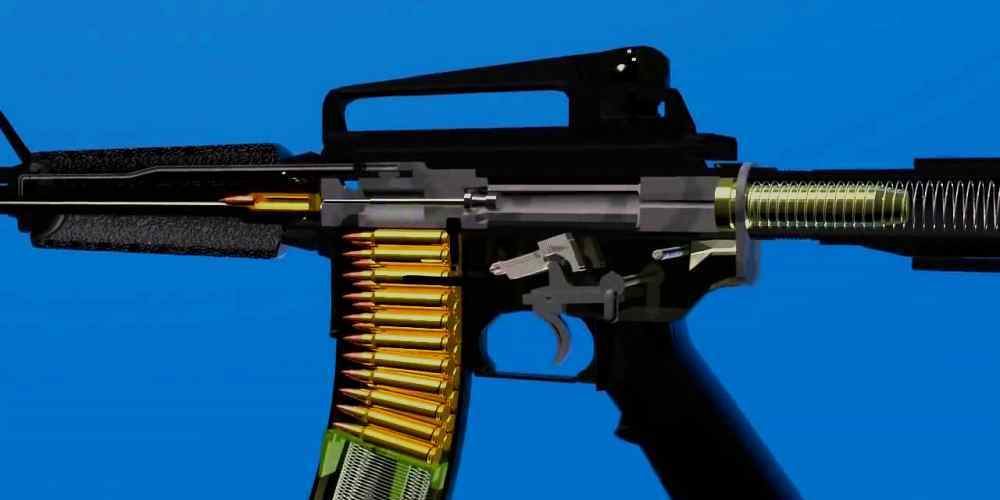
An AR-15 that starts feeling sluggish is usually telling you that the bolt carrier group is working against extra resistance. Carbon buildup, dust, old grease, dried oil, and lack of lubrication can all increase friction inside the action. The AR platform was designed to run with a good amount of lubrication, and when that film breaks down, cycling can feel rough, especially during rapid firing or in hot conditions.
Heat is another major factor. As the rifle gets hotter, fouling tends to accumulate faster and lubricant can thin out or burn off in high-wear areas. That combination can make the bolt carrier group move less freely, which may show up as sluggish cycling, weak ejection, or a rifle that feels “draggy” when manually charging it. In field use, dirt, unburned powder, and environmental debris can also work their way into the action and add even more resistance.
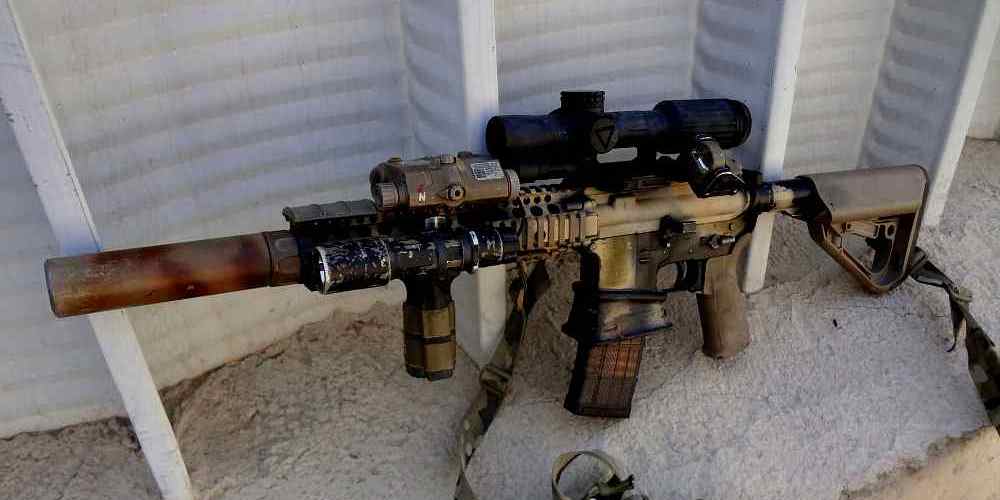
Sometimes the issue is not just lubrication but maintenance timing. A rifle that runs fine when freshly cleaned may begin to slow down after extended range sessions or long periods in storage with the wrong oil or too little of it. Older ARs, rifles with tighter tolerances, and guns used with suppressors may be even more sensitive to carbon and heat. The takeaway is simple: when an AR-15 starts feeling sticky, friction is usually the first thing to check before assuming a serious parts problem.
The Right Lubrication Fix for Smoother Cycling
The best lubrication fix for an AR-15 is usually not “more of anything,” but rather the right lubricant applied to the right places. Focus on the bolt carrier group, cam pin, bolt body, charging handle contact points, and the upper receiver rails where metal slides on metal. These are the areas that see the most movement and heat, and they benefit from a thin, even film that reduces friction without attracting excessive grit.
A quality firearm lubricant designed to handle heat and carbon is often the smartest choice for regular use. Light oils can work well in moderate conditions, while higher-viscosity or synthetic formulas may hold up better in heavy training, suppressed shooting, or hot-weather sessions. Avoid over-greasing parts that move quickly or collect fouling, since too much product can trap debris and create the very sluggishness you are trying to eliminate. The goal is a wet, controlled application, not a dripping rifle.
For practical results, clean the rifle first, inspect key wear points, then apply lubricant sparingly and function-check the action by hand before live fire. If the rifle still feels rough after proper cleaning and lubrication, check for worn gas rings, an under-gassed setup, damaged extractor components, or issues with the magazine and ammunition. Responsible gun owners know that maintenance is only one part of reliability, but it is often the most immediate and cost-effective place to start.
A sluggish AR-15 is usually giving you an early warning, not a final verdict. In many cases, the fix is straightforward: remove the fouling, identify the friction points, and restore the right level of lubrication. When done properly, that small maintenance habit can make the rifle feel noticeably smoother and more dependable.
For anyone who values performance and safety, regular inspection and correct lubrication should be part of routine firearm care. Treat every firearm as if it were loaded, keep maintenance organized, and use quality products that suit your rifle’s conditions and use case. A well-lubricated AR-15 is not just more pleasant to shoot—it is also a more trustworthy tool when reliability matters most.