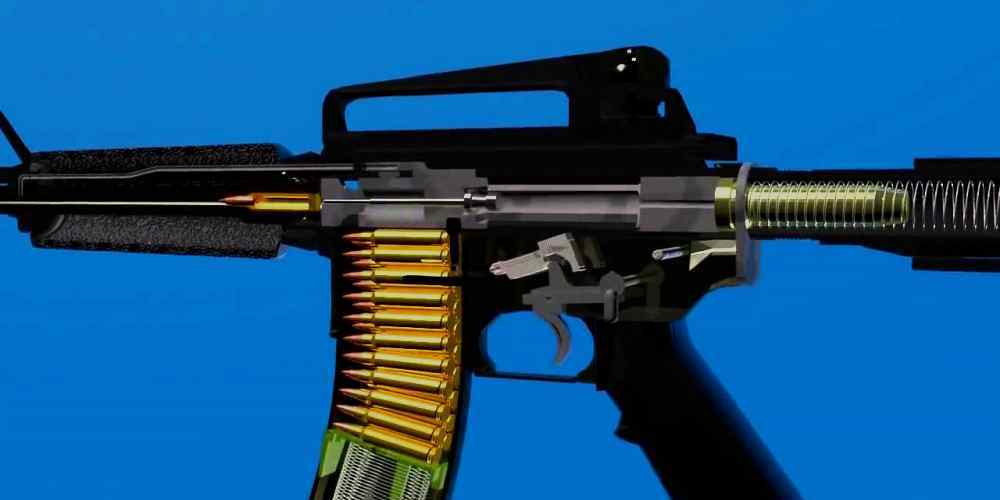
The recoil spring is one of those AR-15 parts that quietly does its job so well that many owners barely think about it. It sits inside the buffer system, cycling thousands of times without much attention, and because it usually does not “look worn” the way a bolt or magazine spring might, it often gets pushed to the bottom of the maintenance list. Yet for a rifle that depends on controlled bolt carrier movement, extractor timing, and consistent chambering, the recoil spring plays a bigger role than many casual owners realize. Understanding why it gets overlooked is the first step toward better reliability, safer operation, and more confident ownership.
Why Recoil Springs Get Overlooked on AR-15s
One reason recoil springs are neglected is that they are hidden from view and rarely make themselves known until something goes wrong. AR-15 owners tend to focus on the parts they can see and touch most often: optics, magazines, triggers, and handguards. The spring is buried inside the receiver extension, so it does its work out of sight and out of mind. Because the AR platform is famously modular and easy to customize, many enthusiasts spend more time upgrading accessories than evaluating the components that keep the action running smoothly.

Another factor is that recoil springs do not usually fail dramatically. Unlike a broken extractor or cracked bolt lug, a tired spring often degrades gradually. The rifle may still function, but with increasing variation in ejection pattern, feeding reliability, or bolt lockback. That slow decline can be easy to miss, especially for owners who fire their rifles only occasionally or who assume that “if it still cycles, it must be fine.” In reality, spring fatigue is often a performance issue before it becomes a visible one.
There is also a common misconception that recoil springs last indefinitely unless a rifle is heavily abused. While AR-15 springs are durable, they are not immortal. Heat, round count, lubrication habits, environmental exposure, and even storage conditions can affect performance over time. For many owners, maintenance habits are shaped by tradition or internet advice instead of a true inspection routine. In the AR world, where parts compatibility and reliability matter, the spring deserves the same respect as any other wear item in a defensive or duty-ready firearm.
Signs Your AR-15 Spring Needs Attention
A rifle that begins to feel “off” during live fire may be telling you the recoil spring is due for inspection. Common signs include erratic ejection, failures to feed, sluggish bolt return, or inconsistent bolt lockback on an empty magazine. Some shooters also notice a change in recoil impulse or the sound of the action cycling differently than usual. None of these symptoms automatically mean the spring is the only issue, but they are strong reasons to evaluate the buffer system, gas system, magazines, and spring condition together.
Physical inspection can reveal a lot if you know what to look for. A healthy recoil spring should generally maintain even tension, with no obvious kinks, sharp bends, deformation, or excessive set compared with a known-good replacement. If the spring has become noticeably shorter than expected, feels weak when compressed by hand, or shows signs of corrosion, it should be replaced. It is also wise to inspect the buffer and receiver extension for unusual wear, because spring problems often show up alongside other buffer system issues rather than in isolation.
Responsible owners benefit from keeping a simple maintenance record that tracks round count, parts changes, and any cycling problems. This is especially useful for rifles used in training, hunting, home defense, or competition, where reliability matters most. If the rifle is heavily used, exposed to harsh conditions, or configured with nonstandard components, a more proactive replacement schedule may be appropriate. Replacing a recoil spring is inexpensive compared with the cost of malfunctions, lost confidence in the rifle, or troubleshooting a problem at the range or in the field.
Most AR-15 owners neglect their recoil springs not because they are careless, but because the part is hidden, inexpensive, and easy to forget when the rifle seems to be running fine. Still, small parts often have the biggest effect on consistency, and the recoil spring is a perfect example of that truth. A few minutes of inspection and a sensible replacement schedule can prevent frustrating malfunctions and help keep a rifle dependable when it matters most. For responsible gun owners, that kind of attention is not overkill—it is part of owning and maintaining the platform properly.