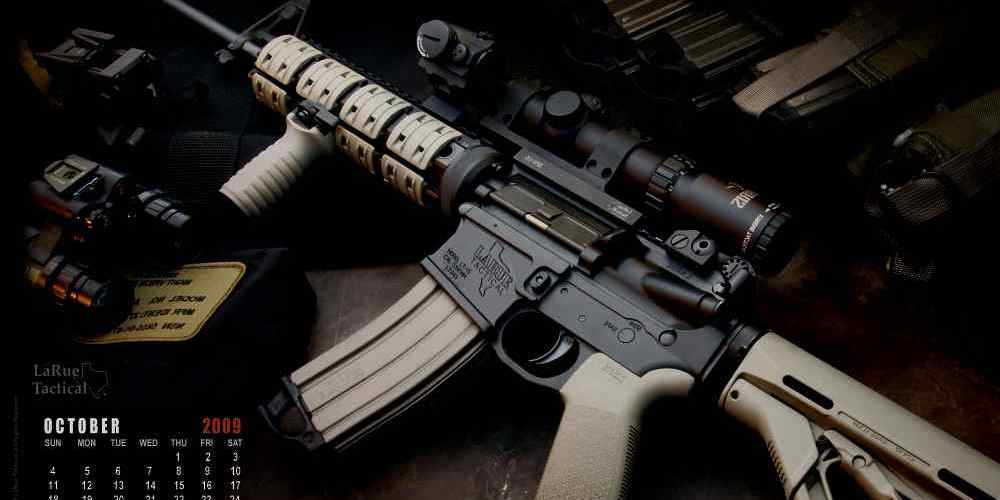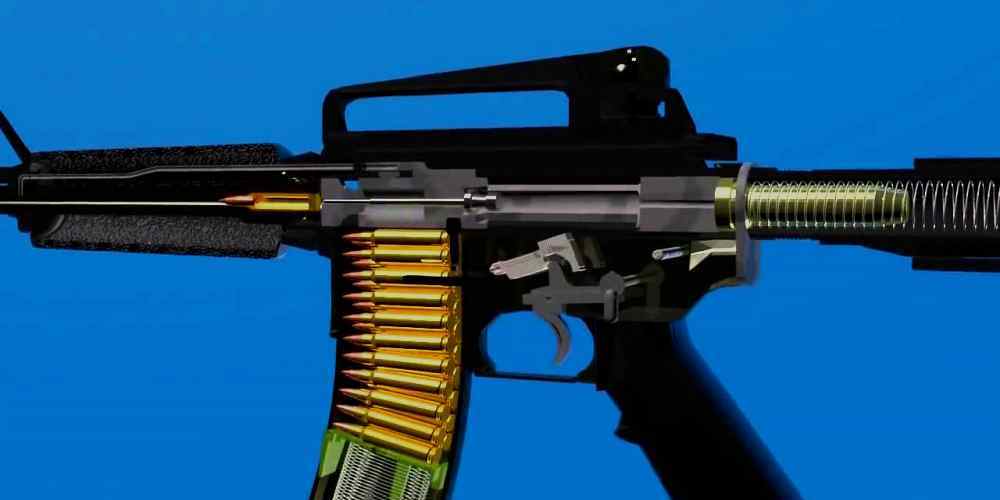
An AR-15 that throws brass all over the place can be frustrating, especially when you’re trying to diagnose reliability, consistency, or just keep your brass in one neat pile. Erratic ejection is usually a sign that the rifle is running outside its ideal balance, and while it can look like a serious problem, the cause is often simple. Understanding what the brass is telling you can save time, money, and unnecessary parts swapping.
In the AR platform, ejection pattern is more than just a convenience issue. It gives you clues about gas pressure, bolt speed, buffer setup, extractor tension, and ammunition compatibility. For responsible owners, especially those using the rifle for hunting, training, or defensive purposes, a smooth and consistent ejection pattern is part of dependable function. Safety always comes first: make changes carefully, verify the rifle is unloaded before handling, and test one adjustment at a time.

Why AR-15 Brass Ejection Turns Erratic
A healthy AR-15 typically sends brass to a fairly consistent area, often around 3 to 4 o’clock depending on the rifle, ammunition, and setup. When the brass starts landing forward, straight out, or scattered in random directions, the rifle is usually either overgassed, undergassed, or having trouble extracting and controlling the bolt carrier’s movement. In simple terms, the system is no longer working in a smooth rhythm. That can be caused by anything from a mismatched buffer weight to weak ammunition or a dirty extractor.
One of the most common culprits is gas and bolt velocity. The AR-15 relies on a careful balance: gas pressure drives the bolt carrier rearward, the extractor pulls the case free, and the ejector kicks it out as the bolt cycles. If the carrier is moving too fast, the brass may eject forward or wildly because the case is being released under excessive speed. If the carrier is moving too slowly, brass may dribble out weakly or fail to clear the action cleanly. Either way, the ejection pattern becomes a useful diagnostic tool.
Mechanical wear and environmental conditions can also affect ejection. A worn extractor spring, dirty chamber, weak ejector spring, or rough bolt carrier group can all create inconsistent brass toss. Suppressed rifles, short-barreled setups, and rifles run in cold, dusty, or heavily fouled conditions may show more variation as well. Even ammunition changes matter: lighter loads, hotter loads, steel-case ammo, and different bullet weights can shift the rifle’s operating characteristics enough to alter where the brass lands.
The Simple Fix for Reliable Brass Toss
The simplest and most effective cure is often correcting the rifle’s buffer system. Many ejection problems come from a setup that is too light for the gas system and ammunition being used. Swapping to a heavier buffer can slow the bolt carrier enough to improve extraction, smooth recoil impulse, and produce a more consistent ejection pattern. For many standard carbines, moving from a basic carbine buffer to an H, H2, or other appropriately weighted buffer is a practical first step.
This works because the buffer and action spring act as the rifle’s braking system. If the bolt carrier is moving too quickly, the extractor may lose control of the case or eject it at odd angles. A heavier buffer adds resistance and helps the action stay in a more predictable operating window. In real-world use, that often means brass landing in a tighter cluster and the rifle feeling less “snappy” during recoil. It’s a common, proven fix that many armorers and experienced shooters reach for before replacing more expensive parts.
That said, responsible troubleshooting means changing one variable at a time and testing safely. Start by confirming the rifle is clean, lubricated, and using quality magazines and ammunition. Then evaluate the ejection pattern with a known load before and after buffer changes. If the problem persists, inspect the extractor spring, ejector function, gas block alignment, and gas key staking. The goal is not just to make brass land neatly, but to ensure the rifle cycles reliably across the conditions you actually use it in.
Erratic brass ejection is not just a cosmetic annoyance; it is one of the clearest signs that your AR-15 may need a tuning adjustment. In many cases, the answer is simple: the buffer system needs to match the rifle’s gas, ammo, and intended use. When the action is properly balanced, the rifle tends to run smoother, feel better, and throw brass with the kind of consistency that inspires confidence.
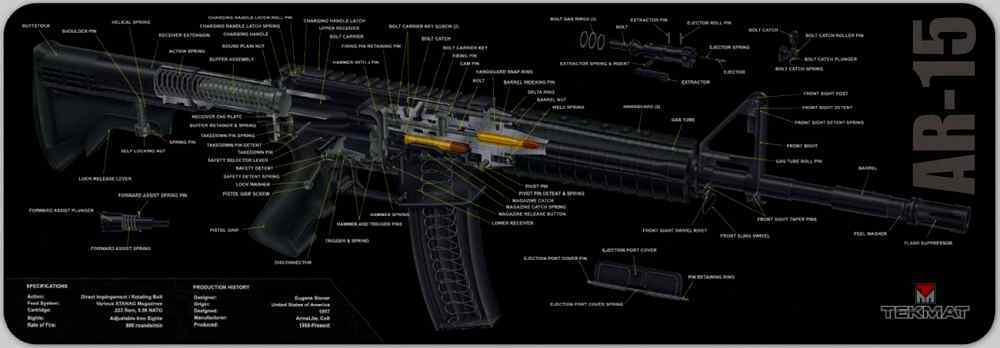
For gun owners who value reliability, the best approach is methodical and safe. Verify the basics, make careful adjustments, and test with quality ammunition in a controlled setting. If you’re unsure about parts compatibility or troubleshooting steps, consult a qualified gunsmith or an experienced armorer. A well-tuned AR-15 is a better rifle, and understanding what your brass is telling you is one of the easiest ways to keep it that way.