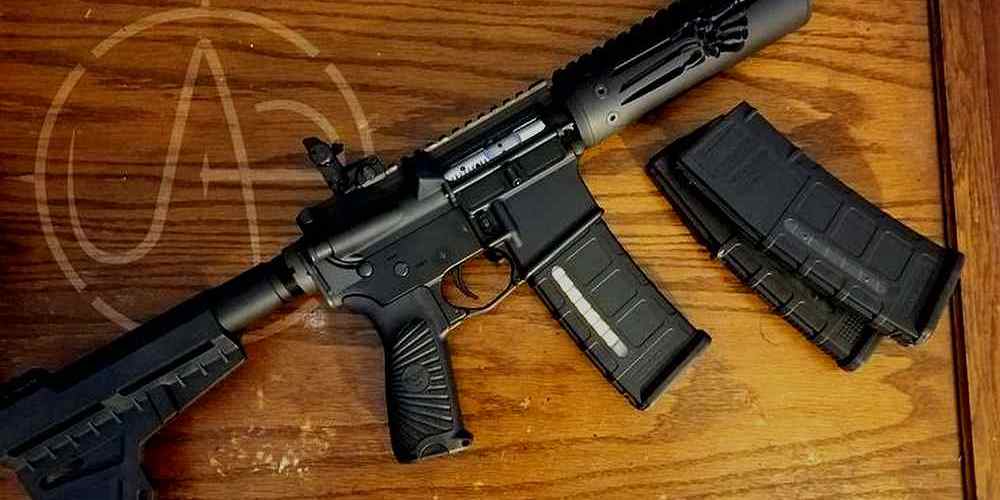
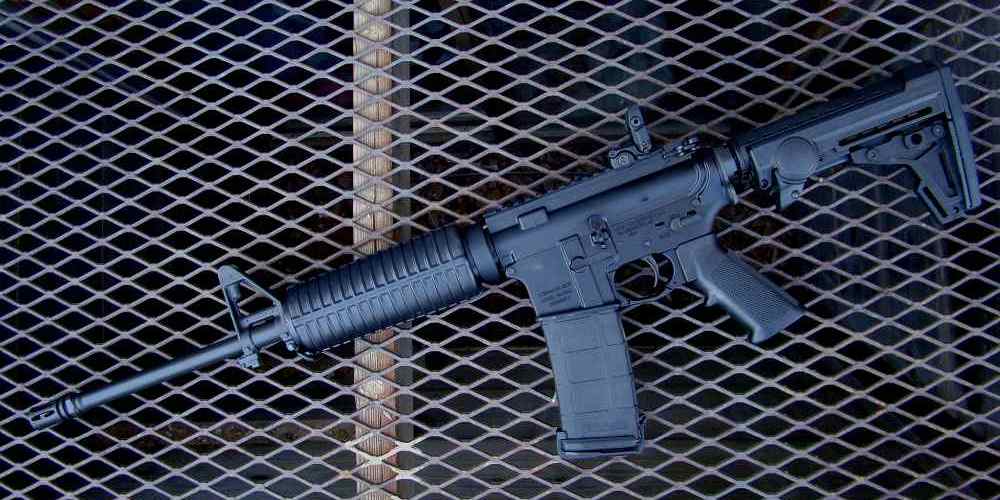
If you have ever zeroed an AR-15, run a few magazines, and then noticed your point of impact shifting, you are not imagining things. Sights and optics can appear to “wander” for a few different reasons, and most of them have less to do with recoil alone than with how the rifle, mount, and shooter interact as a system. For responsible owners, understanding that system is part of keeping your rifle accurate, dependable, and safe.
Why AR-15 Sights Wander Under Recoil
AR-15 recoil is mild compared to many other rifle platforms, but “mild” does not mean “motionless.” Every shot creates a small impulse that moves the rifle, the optic, and sometimes even the shooter’s grip just enough to expose weak points in setup or technique. If a sight picture seems to shift over time, the culprit is often not the sight itself but a loose interface, inconsistent shoulder pressure, or a mount that cannot maintain tension under repeated firing.

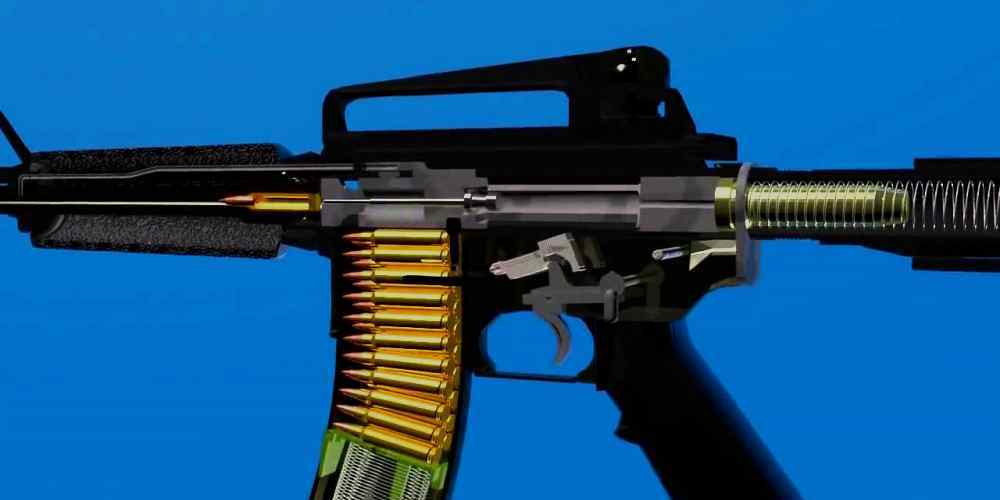
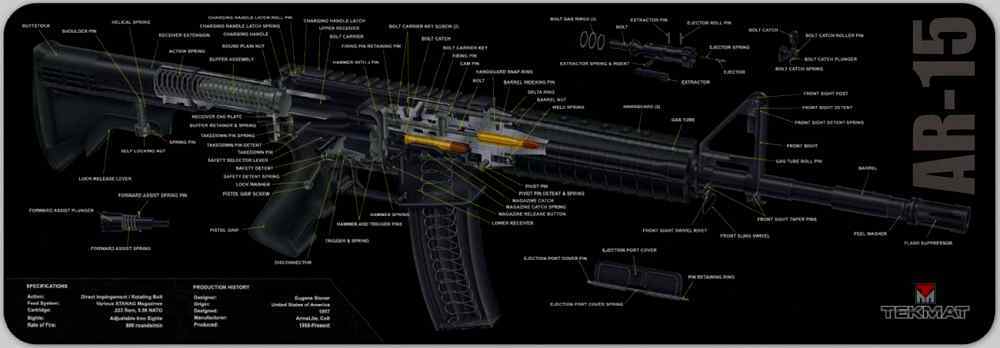
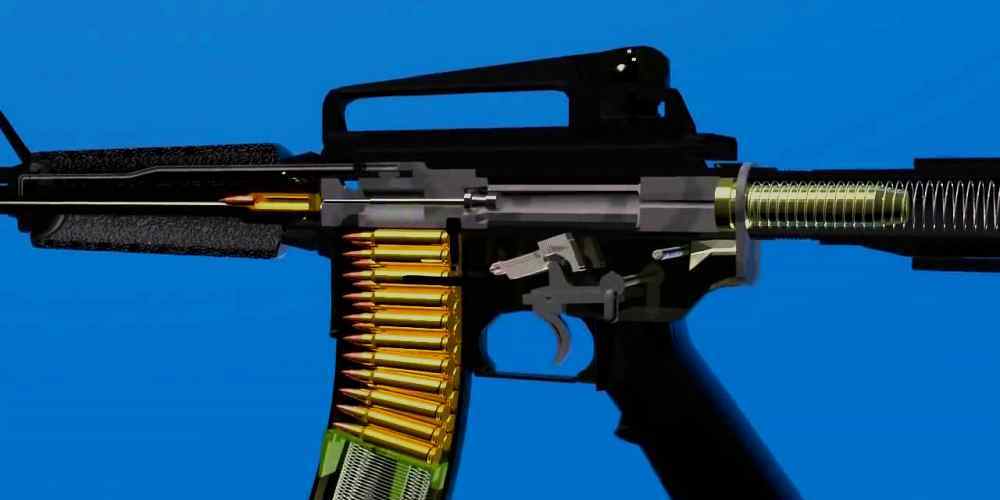
There is also a historical reason this issue gets more attention on AR-pattern rifles than on some older designs. The AR-15’s modularity is one of its greatest strengths, but it also means accuracy depends on many separate parts working together: upper receiver, handguard, rail, mount, optic, and sometimes backup iron sights. If any one of those components has play, flex, or poor alignment, the system can lose repeatability. In practical terms, that means a sight can “wander” even when the optic is high quality, simply because the platform around it is not holding steady.
Shooter input matters as much as hardware. A common reason people think their optic is drifting is inconsistent cheek weld, uneven grip pressure, or a changing stock position from shot to shot. Even subtle differences in how the rifle is shouldered can move the point of impact, especially at longer distances. The safest and most useful habit is to confirm zero from a stable position, then repeat your shooting process as consistently as possible. If your groups move, check the basics first: mount tightness, rail integrity, ammunition consistency, and your own firing position.
The Mounting Secret That Holds Zero
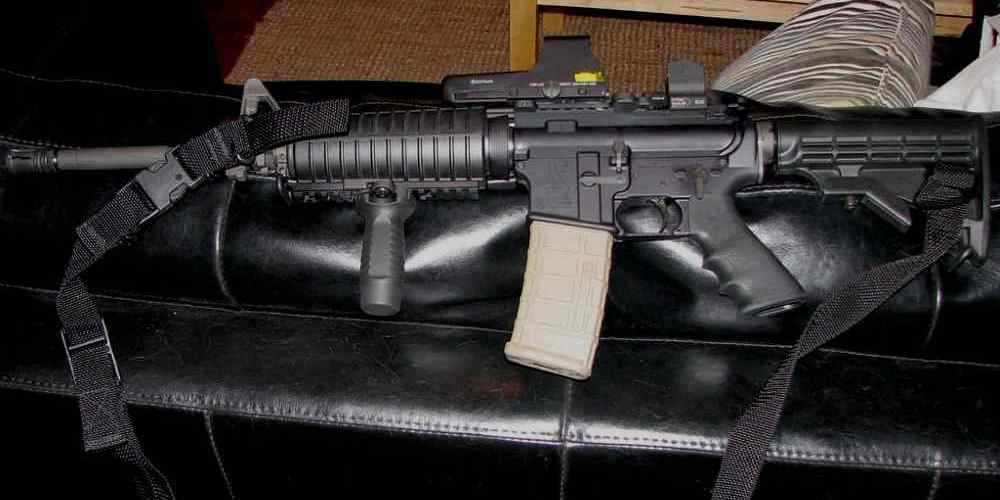
The real “secret” to keeping AR-15 sights from wandering is not some hidden trick; it is controlled tension, proper alignment, and consistent installation. A quality mount that is correctly torqued and secured to a solid interface will usually outperform a more expensive optic installed carelessly. In other words, zero is held less by brand name and more by whether the mount is doing its job without slipping, rocking, or over-stressing the optic body.
Start with the rail or mounting surface itself. If the upper receiver rail is out of spec, dirty, or damaged, even the best optic will struggle to stay put. Ensure the mount sits flat, uses the correct cross-bolt or recoil lug engagement, and is tightened to the manufacturer’s torque specification with the appropriate thread treatment if recommended. Over-tightening can distort components, while under-tightening invites movement under recoil. A properly mounted optic should feel like part of the rifle, not a part that can be nudged out of position.
For responsible gun owners, the mounting secret is really a maintenance routine. After installation, verify zero, then re-check it after the first range session, after transport, and after any hard use. Inspect for witness marks, shifted screws, or mount creep. If you use backup iron sights, make sure they are co-witnessed or aligned according to your intended setup and that both systems are tested before relying on them. A stable mount, regular inspection, and disciplined shooting habits are the practical answer to wandering sights—and the best way to keep your AR-15 accurate, dependable, and ready for lawful, responsible use.
AR-15 sights do not usually “wander” by accident; they wander because something in the system is moving, flexing, or being installed without enough care. Once you understand recoil dynamics, mounting geometry, and shooter consistency, the problem becomes much easier to diagnose and prevent. For hunters, sport shooters, and defensive users alike, the goal is the same: a rifle that holds zero, performs predictably, and supports safe, responsible ownership every time it is taken to the range.