Handguard ventilation is one of those small design details that can make a noticeable difference in real-world shooting. For hunters, range shooters, and anyone who values dependable performance, managing heat matters because excessive barrel temperature can affect comfort, handling, and consistency. While no accessory can replace safe shooting habits, a well-designed vented handguard can help move heat away from the barrel area more efficiently and keep a rifle more pleasant to run over extended strings.
How Handguard Venting Lowers Barrel Heat
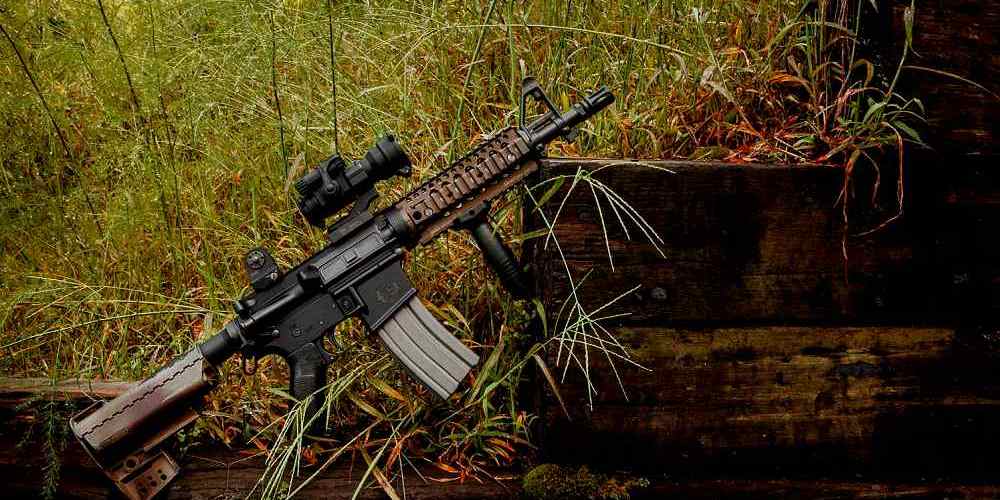
A handguard is more than a place to hold the rifle. On modern rifles, especially AR-pattern builds and similar platforms, the handguard also helps shield the shooter’s support hand from heat while allowing air to circulate around the barrel. Venting works by creating openings that let hot air escape and cooler air move in as the rifle warms up. That airflow does not “cool” the barrel in the same way a fan cools an engine, but it can reduce heat buildup around the barrel and gas system, which helps the rifle shed heat more effectively between shots.

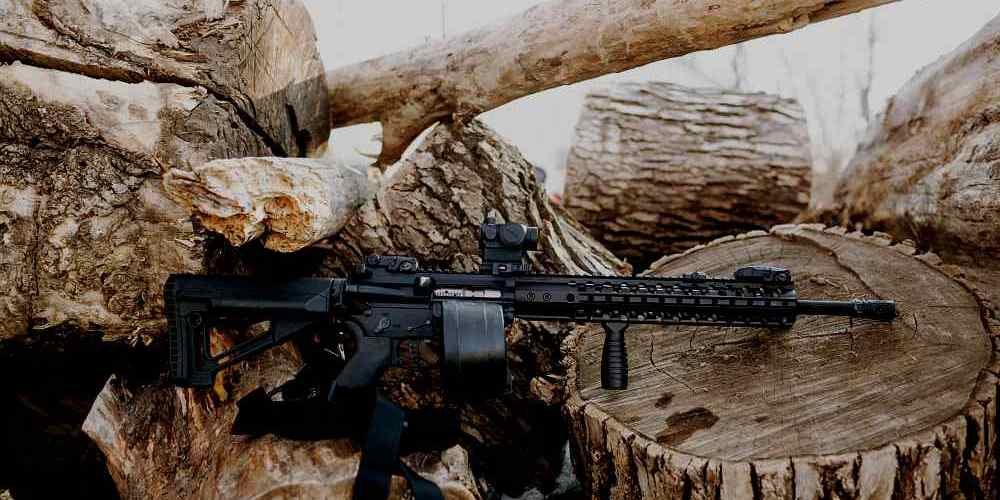
The idea has deep roots in firearms design. Early military and sporting rifles were often fitted with simpler wooden stocks or slim fore-ends, and as barrel temperatures climbed, shooters quickly learned the value of keeping a hand off a hot surface. Modern handguards evolved from those lessons, combining lightweight materials like aluminum or reinforced polymer with slots, cutouts, and M-LOK or KeyMod-style patterns that improve ventilation. In practical terms, this means less trapped heat around the barrel and a more comfortable rifle during prolonged use.
There are also safety benefits to consider. A handguard that vents well is less likely to become uncomfortably hot as quickly, which helps reduce the temptation to shift grip or handle the rifle carelessly during a string of fire. That said, shooters should still treat any hot firearm as a hot firearm: use proper range discipline, avoid touching the barrel or gas block area, and allow cooling periods when needed. Venting is a helpful design advantage, not a substitute for safe handling or a cool-down plan.
Better Cooling for Longer, More Consistent Strings
The biggest practical advantage of a ventilated handguard shows up during longer shooting sessions. As barrels heat up, point of impact can shift slightly, mirage can distort sight pictures, and strings can become less consistent. By improving airflow around the barrel assembly, vented handguards can help slow heat accumulation in the handguard area and support more stable performance over time. For shooters who value repeatable groups, that extra thermal management can make a meaningful difference.
This is especially useful for hunters and defensive-minded owners who train with realistic drills. In the field, you may only fire a few well-placed shots, but those shots may come after moving, shouldering the rifle quickly, or taking a second shot under pressure. On the range, longer practice sessions can reveal how a rifle handles under heat. A handguard with generous venting, paired with a properly maintained barrel and gas system, can help the rifle remain more controllable and comfortable throughout the session.
Choosing the right setup still depends on the shooter’s needs. Lightweight, highly vented handguards are popular because they balance cooling, accessory mounting, and handling without adding unnecessary bulk. If you plan to mount lights, grips, or sling hardware, look for a handguard that provides enough open area for airflow while still offering solid attachment points. And remember: the best thermal management starts with responsible habits—use appropriate ammunition, clean and inspect your firearm regularly, and give the barrel time to cool during extended practice.
A handguard ventilation trick may sound simple, but it reflects a deeper truth about well-designed firearms: small engineering choices can improve comfort, consistency, and confidence. By allowing heat to escape more readily, a vented handguard helps keep the rifle manageable during longer strings and supports better shooting habits overall. For responsible gun owners, that means less discomfort, better control, and a more practical setup for training, hunting, or defensive readiness—always paired with safe, legal, and disciplined firearm use.