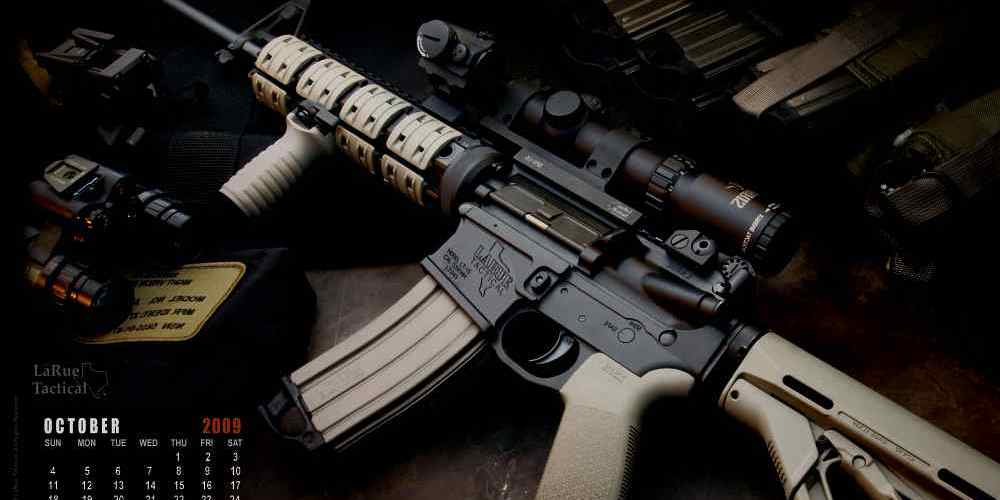
If you own an AR-15, you already know that getting your optic properly zeroed is not just a range chore—it is a foundation of responsible shooting. A good zero improves accuracy, builds confidence, and helps you make the most of every round you send downrange. The challenge is that many shooters burn through time and ammunition trying to “walk” their shots onto paper the hard way, especially when using new optics or a freshly assembled rifle. There is a better way to approach it: a smart, efficient zeroing method that gets you close faster, reduces wasted ammo, and still keeps safety and precision at the center of the process.===
Why Fast Zeroing Matters for AR-15 Owners
A fast, efficient zero matters because every shot during the sight-in process costs money, time, and attention. For many AR-15 owners, especially those who shoot regularly for training, hunting, or home-defense readiness, range time is limited. Spending half the session chasing impacts across a target with small adjustments can be frustrating and inefficient, particularly if you are using higher-priced ammunition or trying to zero multiple rifles or optics in one trip. A faster process lets you spend more of your range time confirming your hold, learning your rifle’s behavior, and practicing safe gun handling.

There is also a practical side to speed. An AR-15 can be set up with different barrel lengths, optic heights, bullet weights, and intended roles, and each of those variables can affect point of impact. A simple, structured zeroing method helps you account for those differences without guessing. That is especially useful for new owners, who may not yet have a feel for how a red dot, LPVO, or backup iron sight setup behaves at different distances. A reliable process reduces confusion and helps prevent the common mistake of making large, repeated adjustments based on a small number of shots.
Fast zeroing also encourages better discipline. When the process is efficient, shooters are more likely to confirm their setup before leaving the range rather than settling for “good enough.” That matters because a truly confirmed zero can make a real difference in the field, whether you are shooting at a steel target, hunting within legal and ethical distances, or validating a defensive rifle for serious use. Responsible ownership starts with knowing where your rifle prints, and a good zero is part of that knowledge.
The Smart Zeroing Method That Cuts Waste
One of the most effective ways to save time and ammo is to use a boresight-to-paper approach, then refine with deliberate shot groups instead of adjusting after every single round. Start by ensuring the rifle is clear, safe, and pointed in a safe direction. Mount your optic correctly, confirm all screws and mounts are secure, and then get the rifle on paper at a short distance—often 10 to 25 yards depending on your setup and the range available. From there, fire a controlled 3-shot group, not a lone round, so your adjustments are based on a pattern rather than one errant shot.
The key is to make meaningful corrections, then verify. If your first group is several inches off, adjust the optic in the proper direction based on your sight’s click value and the distance to target. Modern optics usually move in predictable increments, so it helps to understand the math before you begin. Many shooters prefer to use a target designed for zeroing, with clear grid lines and aim points, because it makes adjustments easier to read. After the first correction, fire another small group to confirm the changes. This is much more efficient than firing dozens of rounds trying to “chase” one hole at a time.
A smart zeroing method also means choosing the right zero for your purpose. For many AR-15 owners, a 50-yard zero is popular because it offers a practical balance for close-quarters and mid-range shooting with common 5.56 NATO or .223 Remington loads, though a 100-yard zero may be preferable for those prioritizing simplicity or longer-range precision. The best choice depends on your optic height, barrel length, ammunition, and intended use. Once you settle on a zero, document it. Write down the load, distance, environmental conditions, and any optic settings so you can repeat the setup later without starting from scratch. That small habit can save a surprising amount of time and ammunition over the life of the rifle.
The most efficient AR-15 zeroing method is not about rushing—it is about working with a plan. By starting at a short distance, using grouped shots, making deliberate adjustments, and confirming your final zero at the distance that matches your use case, you can save ammo without sacrificing precision. Just as important, you develop a repeatable process that respects safety, supports legal and responsible firearm ownership, and gives you real confidence in your rifle. For AR-15 owners who value both performance and practicality, that is time and ammunition well spent.===