Tips for Building a Lightweight AR-15
The AR-15 platform is widely celebrated for its modularity, reliability, and adaptability. However, one common challenge enthusiasts face is the weight of their builds. A heavy rifle can lead to fatigue during long shooting sessions, affect maneuverability in tactical scenarios, and reduce overall comfort. Building a lightweight AR-15 not only enhances handling but also improves performance in various conditions.
This comprehensive guide will provide you with practical tips and insights into constructing a lightweight AR-15 without compromising durability or accuracy. We’ll explore component choices, materials, and design considerations backed by expert opinions and relevant data.
Understanding the Importance of Weight in an AR-15 Build
Before diving into the specifics of building a lightweight AR-15, it’s crucial to understand why weight matters. The average AR-15 weighs around 6.5 to 7.5 pounds depending on configuration. While this is manageable for many shooters, reducing weight can offer several advantages:
- Enhanced Maneuverability: A lighter rifle is easier to handle in close quarters or dynamic shooting environments.
- Reduced Shooter Fatigue: Carrying a heavy firearm over extended periods can tire the shooter quickly, affecting accuracy and reaction time.
- Improved Speed and Agility: For tactical or competitive shooters, shaving off ounces can translate into faster transitions between targets.
A study published by the National Shooting Sports Foundation (NSSF) found that competitive shooters who used lighter rifles consistently demonstrated quicker target acquisition and reduced muscle fatigue during prolonged stages.
Selecting Lightweight Materials: Aluminum vs. Carbon Fiber vs. Titanium
The choice of materials plays a pivotal role in weight reduction while maintaining strength. Traditional AR-15s primarily use aluminum alloys for receivers and steel for barrels and bolts. However, innovative materials have emerged that offer significant weight savings.
Aluminum Alloys
Most standard AR-15 receivers are made from 7075-T6 aluminum—a high-strength alloy that balances durability with lightness. Switching to billet aluminum receivers can sometimes save weight compared to forged ones but tends to be more expensive.
Carbon Fiber Components
Carbon fiber has revolutionized lightweight firearm construction:
- Carbon Fiber Handguards: These are significantly lighter than traditional aluminum options while maintaining rigidity.
- Carbon Fiber Barrels: Some manufacturers offer carbon-wrapped barrels that reduce overall barrel weight by up to 30%, improving heat dissipation as well.
A case study by Christensen Arms revealed their carbon-wrapped barrel reduced barrel weight from 1.25 lbs to just under 0.9 lbs without sacrificing accuracy or durability during extensive testing.
Titanium Parts
Titanium offers excellent strength-to-weight ratios but comes at a premium cost:
- Titanium Bolt Carriers: Approximately 20% lighter than steel counterparts while retaining robustness.
- Titanium Gas Blocks & Screws: Useful for minor weight savings across multiple components.
The trade-off with titanium is often cost and machining difficulty; however, for serious builders looking for every ounce saved, it’s worth considering.
Optimizing Key Components for Weight Savings
The AR-15 consists of multiple components that contribute to its overall weight. Focusing on specific parts can yield significant reductions without compromising performance or reliability.
Upper and Lower Receivers
- Forged vs. Billet Aluminum: Forged receivers are generally stronger but heavier than billet receivers; some lightweight billet options exist but verify their durability through reviews or third-party testing.
- Pistols Grips & Trigger Guards: Choose polymer grips and lightweight trigger guards instead of metal ones to shave off ounces easily.
Barrel Selection
- Barrel Profile: Lightweight or pencil profiles reduce barrel mass significantly compared to heavy barrels used in precision rifles.
- Length Considerations: Shorter barrels (e.g., 14.5” or 16”) weigh less but may affect velocity and terminal ballistics slightly—balance your needs accordingly.
- Tapered or Fluted Barrels: Fluting reduces material while maintaining stiffness; popular among lightweight builds aiming for rigidity without bulkiness.
Bolt Carrier Group (BCG)
- Milled Steel vs. Lightweight Coated BCGs: Some manufacturers offer nickel boron-coated or titanium nitride BCGs that reduce friction and sometimes shave weight slightly due to optimized machining processes.
- Titanium BCGs: Though expensive, titanium BCGs cut down approximately half a pound from the total rifle weight—a substantial saving in this context.
Sights and Optics
Sight systems add considerable bulk if not chosen carefully.
Optics manufacturers have developed ultra-lightweight scopes tailored for carbines like the AR-15: Red Dot Sights: Compact models like the Aimpoint Micro T1 offer excellent performance without adding significant weight.
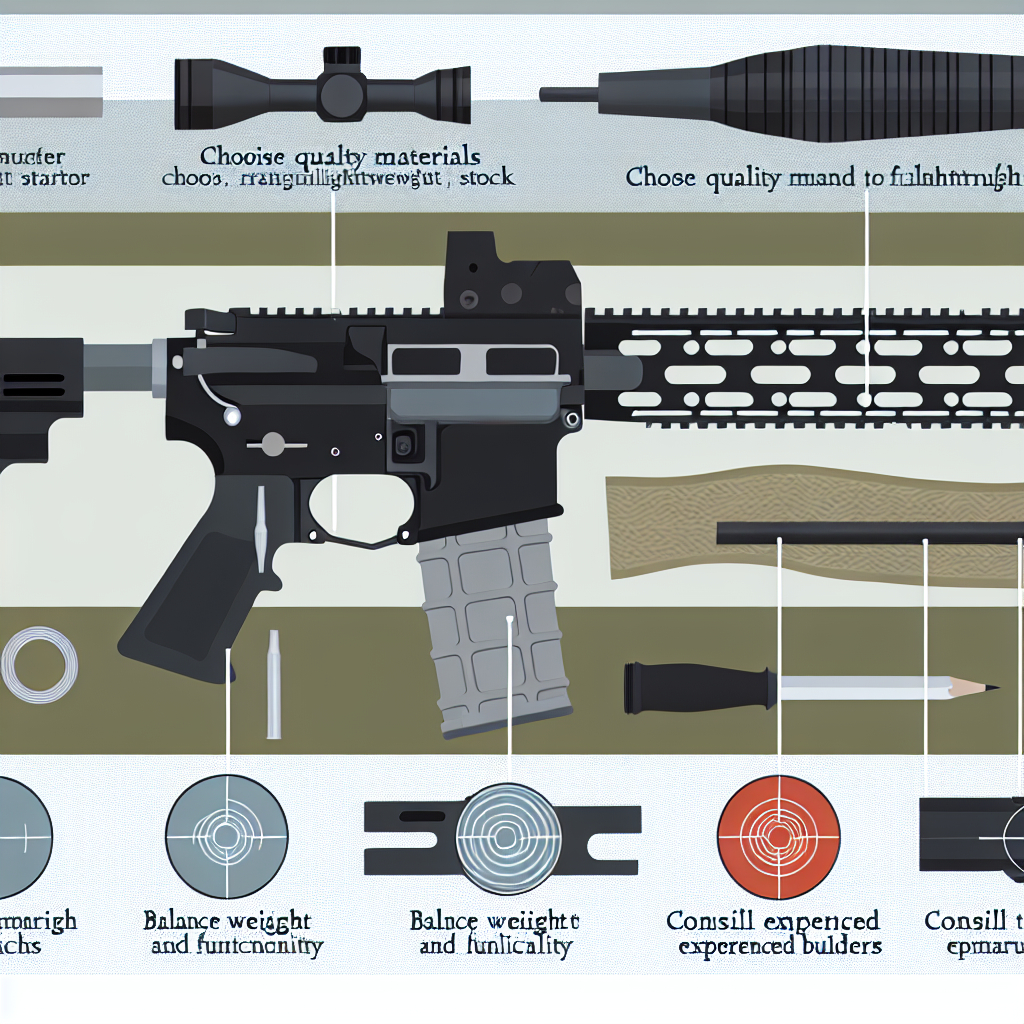
By carefully selecting components, you can build a lightweight AR-15 that maintains functionality and performance.