Guide to Custom Barrel Fluting
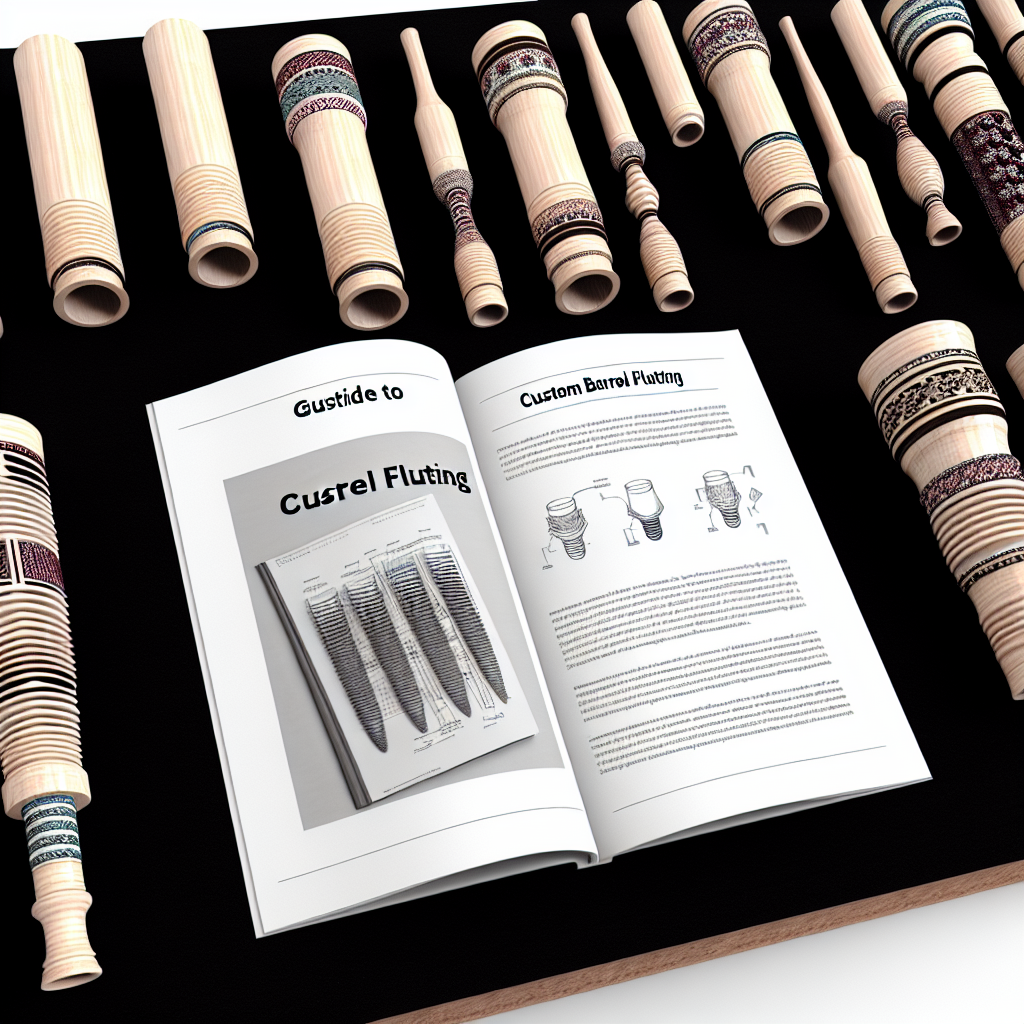
Custom barrel fluting is a specialized technique used primarily in the firearms industry to enhance the performance, aesthetics, and handling of rifle barrels. Whether you are a competitive shooter, hunter, or firearm enthusiast, understanding the nuances of barrel fluting can help you make informed decisions when customizing your rifle. This guide provides a comprehensive overview of barrel fluting, its benefits and drawbacks, types of fluting, and considerations for choosing the right custom fluting for your barrel.
What is Barrel Fluting? An Introduction
Barrel fluting refers to the process of machining grooves or cuts along the length of a rifle barrel. These grooves are typically longitudinal and are designed to remove material from the barrel’s surface while maintaining structural integrity. The practice has been around for decades and originally served functional purposes but has evolved into both a performance enhancer and a style statement.
Custom barrel fluting involves tailoring these grooves specifically to the user’s needs or preferences, often with precision machinery such as CNC (Computer Numerical Control) mills. This allows for unique patterns, depths, and numbers of flutes that can impact weight, cooling efficiency, rigidity, and aesthetics.
Benefits of Custom Barrel Fluting
Understanding why shooters opt for custom barrel fluting is essential before deciding if it suits your firearm needs. Here are some key benefits:
- Weight Reduction: By removing metal from the barrel’s surface, fluting significantly reduces overall weight without compromising barrel length. This is particularly valuable for hunters or tactical shooters who carry their rifles over long distances.
- Improved Cooling: The increased surface area created by the grooves allows heat to dissipate more efficiently during rapid firing sequences. This can help maintain accuracy by preventing overheating.
- Enhanced Rigidity: While removing material might seem counterintuitive for strength, properly designed flute patterns can maintain or even increase rigidity relative to weight. A stiffer barrel tends to vibrate less when fired, improving shot consistency.
- Aesthetic Appeal: Custom fluting offers numerous design options that make rifles visually distinctive. From classic straight flutes to spiral or scalloped patterns, shooters can personalize their firearms.
- Easier Handling: Reduced weight combined with improved cooling makes handling more comfortable during extended shooting sessions.
A study published by the National Institute of Justice found that barrels with proper flute design could reduce weight by up to 25% while maintaining comparable accuracy to non-fluted barrels under test conditions.
Types of Barrel Fluting: Patterns and Techniques
The design of custom barrel flutes varies widely depending on intended use and aesthetic preference. Below are some common types and their unique characteristics:
- Straight Flutes: The most traditional form consisting of evenly spaced straight grooves running parallel along the length of the barrel. These provide uniform weight reduction and improve cooling efficiency.
- Spiral Flutes: Grooves cut in a helical pattern around the barrel add an interesting visual effect while potentially increasing rigidity due to torsional resistance. Some shooters also claim spiral flutes aid in heat dissipation better than straight flutes.
- Scalloped Flutes: Instead of deep cuts, scalloped flutes have shallower curved indentations that provide modest weight savings but maintain more structural mass around the barrel circumference.
- Partial Fluting: Only portions of the barrel are fluted rather than its entire length. This can balance between weight savings and maintaining maximum rigidity where needed near chamber areas.
The choice among these depends on factors like how much weight reduction is desired, visual preference, expected use case (precision shooting vs hunting), and cost considerations as intricate patterns require more machining time.
The Science Behind Barrel Fluting: How It Affects Performance
The impact of barrel fluting on firearm performance involves several mechanical and thermodynamic factors worth exploring:
- Heat Dissipation Efficiency: Barrels heat up rapidly during firing due to combustion gases and friction from bullets traveling down them. Increased surface area from flute cuts accelerates heat transfer away from the metal through convection and radiation.
- Tuning Barrel Harmonics: When fired, barrels vibrate in complex patterns that influence bullet trajectory consistency. Fluted barrels alter these vibrations by changing mass distribution along their length. The result can be reduced amplitude vibrations leading to tighter groups at longer ranges.
- Weight-to-Stiffness Ratio: Removing metal reduces mass but if done strategically through multiple shallow flutes instead of fewer deep ones, stiffness relative to weight can improve compared to an unfluted heavy barrel.
A case study conducted by Precision Rifle Blog compared three identical rifles fitted with heavy barrels: one unfluted, one straight-fluted with six cuts removing approximately 20% mass, and one spiral-fluted with eight cuts removing about 25% mass. Results showed both fluted barrels maintained sub-MOA (Minute of Angle) accuracy at 1000 yards under controlled conditions while reducing overall rifle weight by nearly a pound compared to unfluted versions.
Considerations When Choosing Custom Barrel Fluting
Selecting custom barrel fluting should be based on balancing your shooting needs with technical parameters and budget constraints.
Here are important factors to consider when selecting the right fluting style for your rifle, including the intended use, barrel profile, and aesthetic preferences.
Ultimately, custom barrel fluting can enhance both performance and personalization of your firearm.