If you’ve spent any time behind an AR-15, you already know how a small problem can ruin a range session or make you question a rifle’s reliability. Ejection issues—spent cases landing weakly, striking the brass deflector oddly, or failing to clear the action altogether—are more than an annoyance. They can point to an extractor, gas, or spring-related issue that deserves attention, especially if the rifle is used for hunting, home defense, or duty-style training.
One of the simplest ways to improve ejection consistency is a modest, well-understood upgrade that helps the rifle do its job more positively and predictably. For responsible owners, that means less guesswork, fewer malfunctions, and more confidence in the platform. Like any firearm maintenance decision, it should be approached with care, verified at the range, and paired with a solid understanding of how the AR-15 cycles.

Fix AR-15 Ejection Issues with a Simple Upgrade
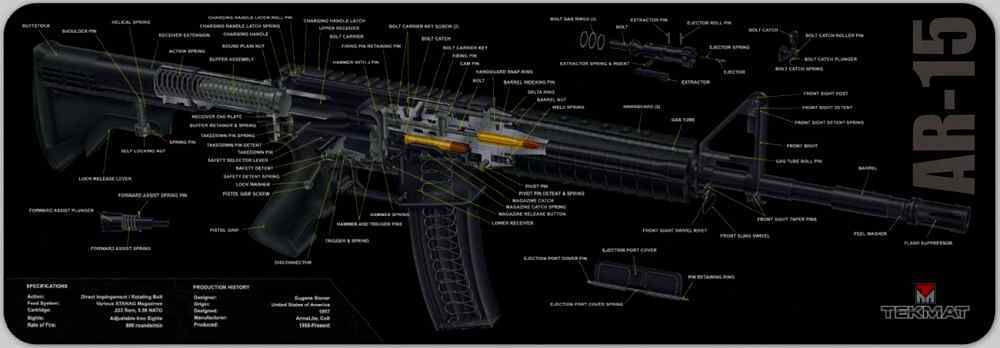
The AR-15 system relies on a precise balance of gas pressure, bolt speed, extractor tension, and spring force. When ejection starts to look weak or erratic, many shooters first blame ammunition, but the underlying cause is often mechanical. A common and effective fix is upgrading the extractor spring assembly—often with a stronger spring, improved insert, and rubber O-ring or similar tension aid, depending on the setup. This small change can help the extractor hold the case more securely during the critical moment when the bolt is moving rearward and the empty case is being pulled from the chamber.
Historically, the AR platform has always depended on tight timing. Eugene Stoner’s design was brilliant because it used gas to unlock, extract, and eject with remarkable efficiency, but that efficiency also means parts wear and tolerance stacking matter. Over time, extractor springs can weaken, especially in carbines that run hotter or see more rounds through training, competition, or defensive practice. A fresh extractor upgrade is not a cure-all, but it often restores the positive grip needed for cleaner ejection patterns and fewer stovepipes or half-ejected cases.
For best results, check the entire system before changing parts blindly. Make sure the rifle is clean, properly lubricated, and using ammunition within normal specifications. Inspect the extractor claw, ejector movement, bolt face, and gas rings, and confirm your buffer and gas system are appropriate for the barrel length and suppressor use, if applicable. Any upgrade should be installed with the firearm unloaded and handled according to basic safety rules; if you’re unsure, consult a qualified gunsmith.
Why This Small Mod Boosts Reliability Fast
The reason this simple upgrade works so well is that extraction is one of the most demanding parts of the firing cycle. When a round is fired, chamber pressure drops, the bolt begins unlocking, and the extractor must keep control of the case while the ejector kicks it clear. If extractor tension is too light, the spent case can slip, dribble out weakly, or fail to eject in time. A stronger extractor spring helps maintain grip through that entire sequence, which is why many shooters notice an immediate improvement in ejection pattern after the upgrade.
There’s also a practical reliability benefit in real-world use. A rifle that throws brass consistently usually indicates healthier cycling overall, and that consistency matters whether you’re practicing for competition, carrying for personal defense, or relying on the rifle in the field. Hunters especially appreciate dependable ejection because it reduces interruptions during follow-up shots, while defensive shooters value any modification that supports smooth, repeatable function under stress. The key is not “more power” for its own sake, but a better-matched component that brings the rifle back into balance.
That said, every AR-15 is a system, and one part rarely solves every issue. If the rifle is still short-stroking, ejecting forward, or showing signs of overgassing, you may need to look at the gas port, buffer weight, action spring, or ammunition choice. The best approach is methodical: change one variable at a time, test with quality magazines, and record where the brass lands. With that disciplined process, this small mod can become one of the fastest and most cost-effective ways to stop ejection problems cold while keeping the rifle safe, dependable, and ready for responsible use.A reliable AR-15 doesn’t happen by accident; it comes from understanding the platform, maintaining it well, and making smart upgrades when needed. A simple extractor spring improvement may seem minor, but it can make a meaningful difference in how the rifle cycles and how confident you feel behind it.
As always, safety comes first: confirm the firearm is unloaded before any maintenance, follow manufacturer guidance, and test any modification at the range before depending on it. For shooters who value dependable performance and responsible ownership, this is one of those small changes that can pay off immediately in smoother, more consistent ejection.