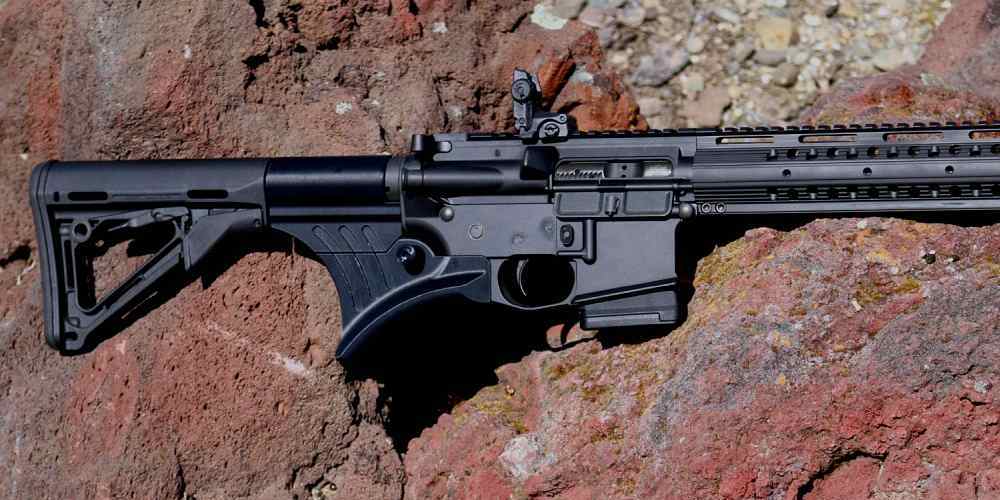
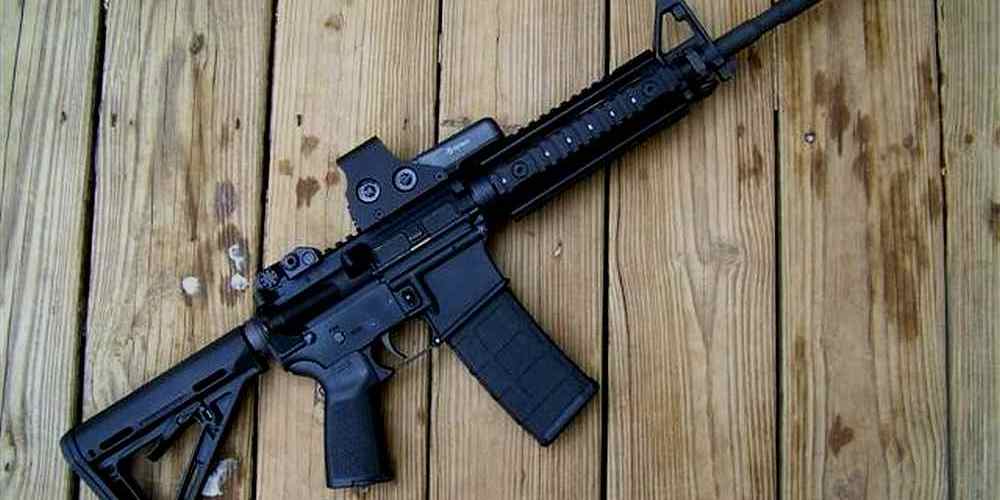
The AR-15 has earned its reputation for being accurate, adaptable, and dependable, but that reliability depends on more than good maintenance and quality parts. One of the fastest ways to undermine performance is also one of the easiest to overlook: choosing the wrong ammunition. Whether it is a pressure mismatch, poor-quality ammo, or simply a load that does not suit the rifle’s setup, the effects can show up quickly in the form of failures to feed, extract, or cycle properly.
For responsible owners, ammo selection is not just about cost or convenience. It is part of safe firearm use, just like verifying chambering, inspecting magazines, and keeping the rifle clean and properly lubricated. A well-built AR-15 can still run poorly if it is fed ammunition that does not match its gas system, chamber dimensions, or intended use. Understanding this issue helps shooters protect their equipment, improve consistency, and avoid preventable malfunctions.

The Ammo Mistake That Hurts AR-15 Reliability
One of the most common reliability mistakes is using ammunition that does not truly match the rifle’s chambering or pressure expectations. An AR-15 chambered in 5.56 NATO is generally built to handle the higher pressures of that cartridge, while a rifle marked .223 Remington may have a tighter chamber that is not intended for repeated use with full-pressure 5.56 ammunition. On paper the rounds can look similar, but small dimensional and pressure differences matter in a semi-automatic platform that depends on precise timing.
Another reliability problem comes from bargain ammunition with inconsistent quality control. Brass that varies in thickness, primers that are not seated correctly, or powder charges that are uneven can all create cycling issues. A rifle may run fine with one box and choke on the next, which can frustrate owners into blaming the gun when the real issue is the ammunition. In an AR-15, where gas operation relies on a predictable pressure curve, inconsistency quickly becomes a functional problem.
Bullet profile and weight can also play a role, especially in rifles with shorter barrels or specific gas-system lengths. The AR-15 is versatile, but it is not indifferent to ammunition choice. Heavy match loads, light varmint rounds, steel-cased practice ammo, and defensive hollow points may all behave differently in a given rifle. That is why serious owners test multiple loads, confirm reliability with their magazines, and keep notes on what cycles best before depending on a particular round for training, hunting, or defense.
How the Wrong Round Causes Fast Malfunctions
When the wrong ammunition is fired, the first signs often appear as failures to cycle completely. A round that is underpowered may not generate enough gas pressure to push the bolt carrier rearward with enough force to extract the spent case and chamber the next round. The result can be short-stroking, where the bolt does not travel far enough to complete the cycle. Shooters sometimes mistake this for a dirty rifle, but weak or inconsistent ammo is often the real cause.
Overpressure ammunition can be just as troublesome, and in some cases more concerning. Excessively hot loads can increase wear on the bolt, extractor, buffer system, and locking lugs, while also creating sharper recoil and faster cycling than the rifle was tuned for. Over time, that can lead to premature parts fatigue and reliability issues, especially if the rifle is already running with a light buffer or an aggressive gas setup. Responsible ownership means avoiding ammunition that exceeds the rifle’s safe design limits.
Feeding problems are another common result of poor ammo choice. Some bullet shapes do not feed as smoothly from certain magazines, and damaged or out-of-spec cartridges can catch on the feed ramps. Brass or steel cases with rough finishes may also create extraction challenges depending on chamber condition and chamber coating. The practical solution is straightforward: use quality ammunition from reputable manufacturers, test it in the rifle before relying on it, and keep a log of what works best in your setup. A dependable AR-15 is built on good parts, proper maintenance, and ammunition that matches the rifle’s intended chambering and purpose.
In the end, the biggest ammo mistake is assuming all cartridges labeled “close enough” will perform the same in an AR-15. They will not. Chambering, pressure, bullet profile, and manufacturing quality all affect how the rifle feeds, cycles, and holds up over time. For owners who value reliability, the safest approach is to buy reputable ammunition, verify it is correct for the rifle, and test it thoroughly before carrying it for defense or taking it into the field.
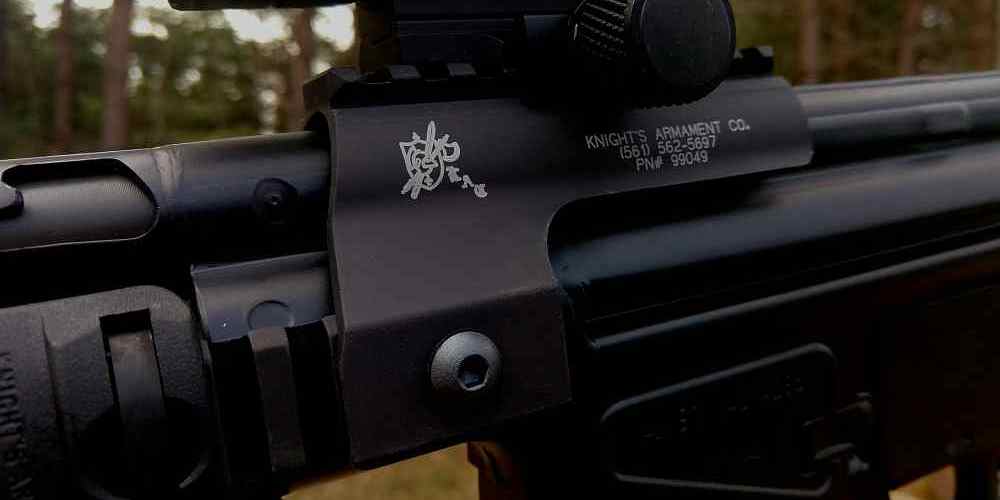
A reliable rifle is a system, and ammunition is a major part of that system. If your AR-15 starts showing sudden malfunctions, do not overlook the simplest cause first. Check the ammo, inspect the magazines, and confirm the rifle is properly maintained and configured for the load you are using. That habit protects your equipment, improves confidence, and supports the kind of responsible firearm ownership that matters every time the rifle is loaded.