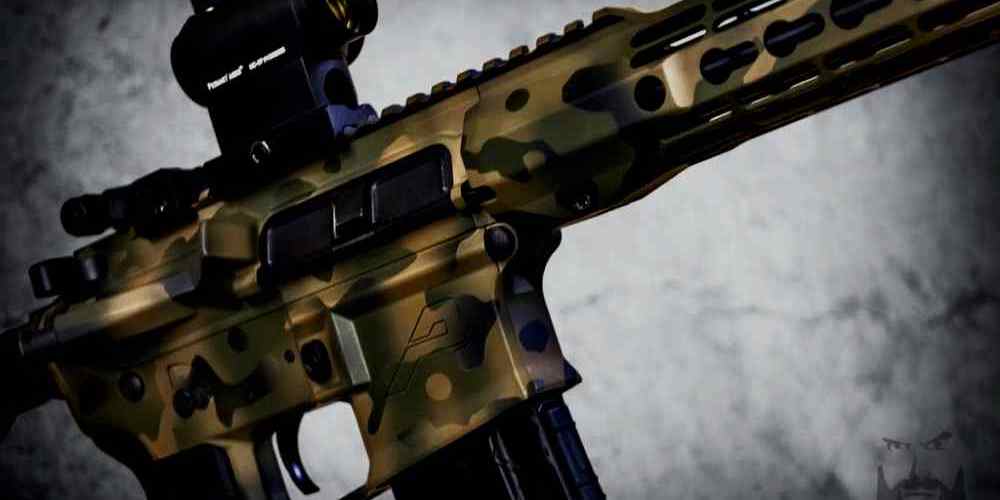
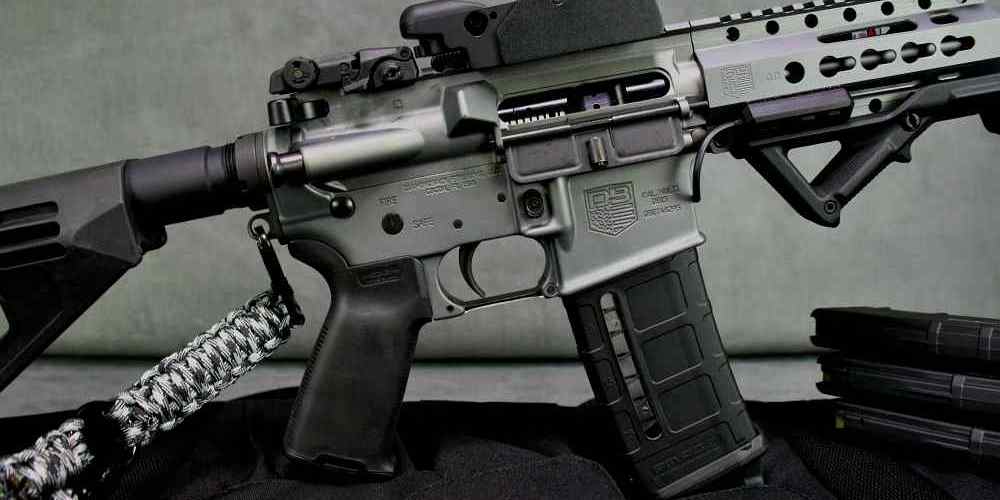
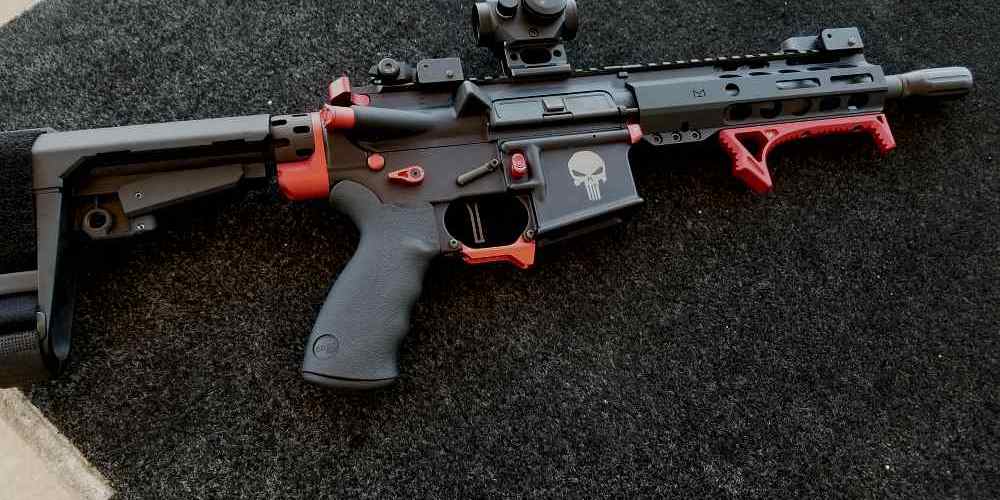
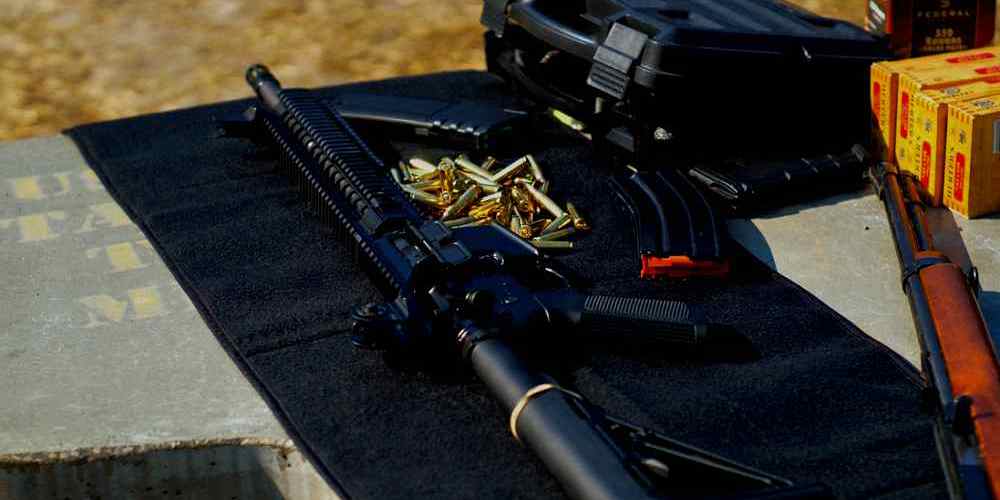
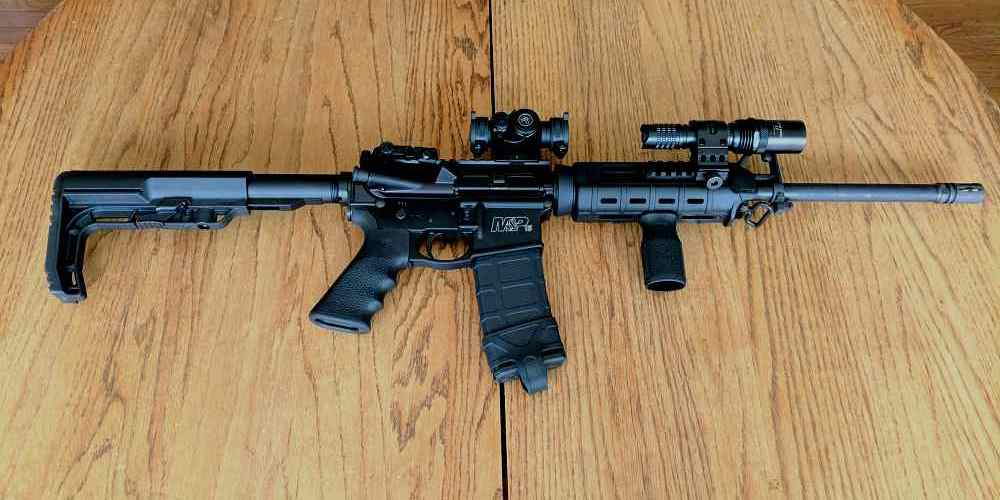
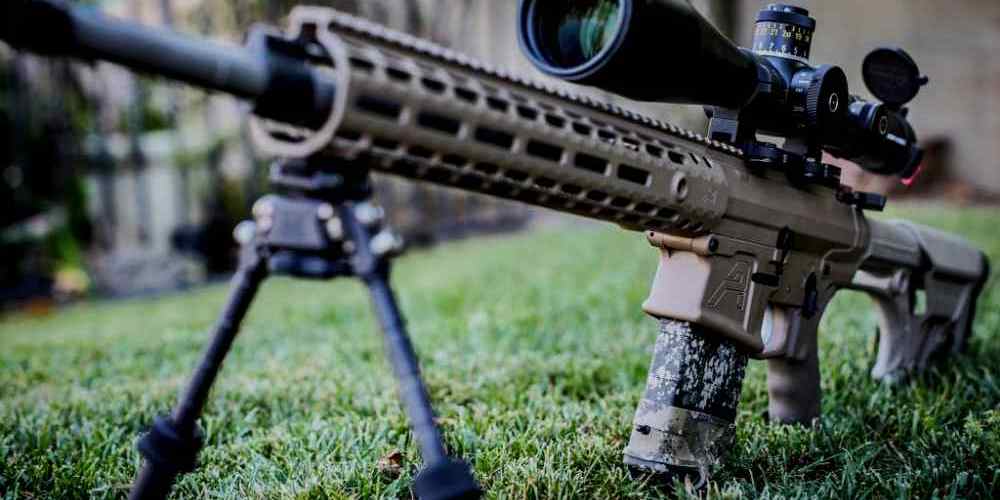
The AR-15 is one of the most familiar modern sporting rifles in America, and with that familiarity often comes muscle memory—good and bad. One small but important mistake many shooters make is allowing the thumb to live in the wrong place around the safety selector. It may seem minor, but over time that habit can affect control, speed, and, most importantly, safe handling.
For gun owners, hunters, self-defense practitioners, and serious enthusiasts, responsible firearm use is built on consistency. The AR-15’s controls are designed to be intuitive, but only when they’re used correctly and practiced deliberately. A sloppy relationship with the safety selector can create unnecessary risk and reinforce habits that are harder to fix later than they are to prevent now.

The Safety Selector Mistake That Builds Bad Habits
One of the most common AR-15 mistakes is leaving the firing-hand thumb floating loosely, riding the selector incorrectly, or failing to establish a consistent safety-handling position at all. Some shooters pinch the grip awkwardly, while others let their thumb rest where it can slow manipulation or create tension in the firing hand. Over time, these small errors become engrained. What starts as a comfort choice can turn into a repeatable bad habit every time the rifle comes up on target.
The AR-15 platform was developed with straightforward manual controls, and the safety selector is a key part of that design. On a properly handled rifle, the selector should be positively engaged and disengaged without drama, confusion, or fumbling. That means the shooter must know exactly where the thumb belongs when the rifle is on safe, when it transitions to fire, and when the rifle is being indexed during movement, loading, or administrative handling. If the thumb placement is inconsistent, the shooter often compensates by shifting grip pressure or breaking stance, which can slow response and reduce control.
The danger is not just mechanical—it is behavioral. A poor selector habit can lead to stress-induced mistakes because the body will default to whatever it has practiced most. In a hunting, training, or defensive scenario, that can mean extra seconds lost or an unsafe finger/selector relationship under pressure. Good habits are built during calm repetition, not discovered in an emergency. That is why it is worth slowing down, checking your grip, and making sure the thumb and selector work together in a way that supports safe, deliberate handling.
Why Proper Thumb Placement Matters on an AR-15
Proper thumb placement helps the shooter maintain a stable firing grip, better recoil control, and cleaner access to the safety selector. On many AR-15 setups, the firing-hand thumb can rest in a way that allows the shooter to operate the selector without shifting the entire hand. This keeps the rifle more secure in the shoulder, supports consistent trigger contact, and reduces the tendency to “hunt” for the safety during transitions. In practical terms, that means smoother movement and fewer avoidable mistakes.
Thumb placement also matters because the AR-15 is a modular platform, and not every rifle feels the same. Grip angle, selector type, receiver extension setup, ambidextrous controls, and hand size all affect what a good thumb position looks like. A shooter with smaller hands may need a different grip strategy than someone with long fingers or an oversized selector lever. The key is not copying a trend blindly, but finding a repeatable, safe position that allows positive selector manipulation without compromising control. Many experienced shooters refine this through dry practice and careful observation, not guesswork.
For responsible owners, the best approach is to train the habit, not just the motion. Practice safe handling with an unloaded rifle, verify the selector’s movement, and pay attention to whether your thumb position supports a natural, relaxed grip. If your setup makes the selector difficult to reach or encourages awkward hand movement, consider whether a different grip, selector profile, or ambidextrous option would better suit your needs. The goal is always the same: safe, reliable operation with a grip that reinforces discipline instead of undermining it.
Small details matter with firearms, and thumb placement on the AR-15 is one of those details that can quietly shape a shooter’s habits for years. A bad selector habit may not seem urgent at first, but it can affect speed, consistency, and safety every time the rifle is handled. By paying attention to how the firing-hand thumb interacts with the selector, owners can build smoother and more responsible rifle control.
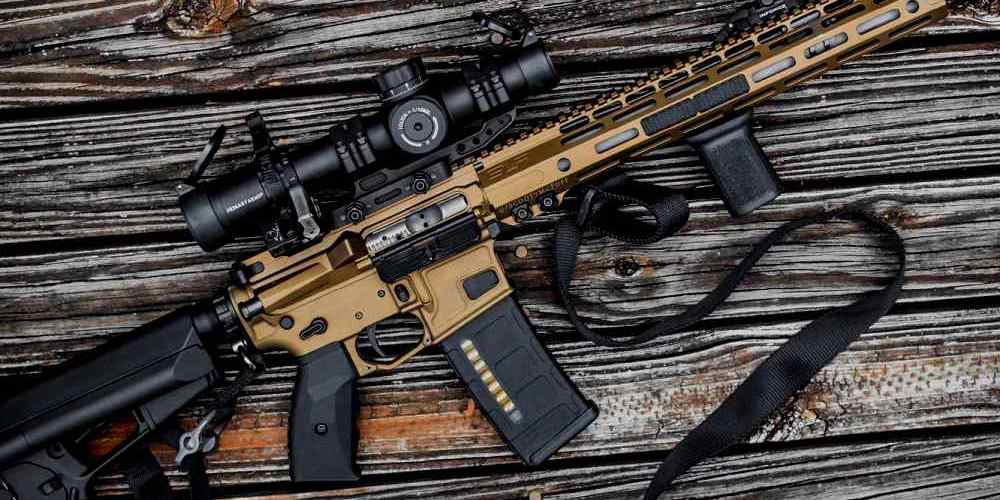
At armsparts.com, the emphasis should always remain on education, safe use, and practical understanding of the platform. The AR-15 rewards careful technique, and responsible shooters benefit from taking the time to build correct habits from the start. A solid grip, a deliberate safety routine, and thoughtful training go a long way toward making every range session, hunt, or defensive preparation safer and more effective.