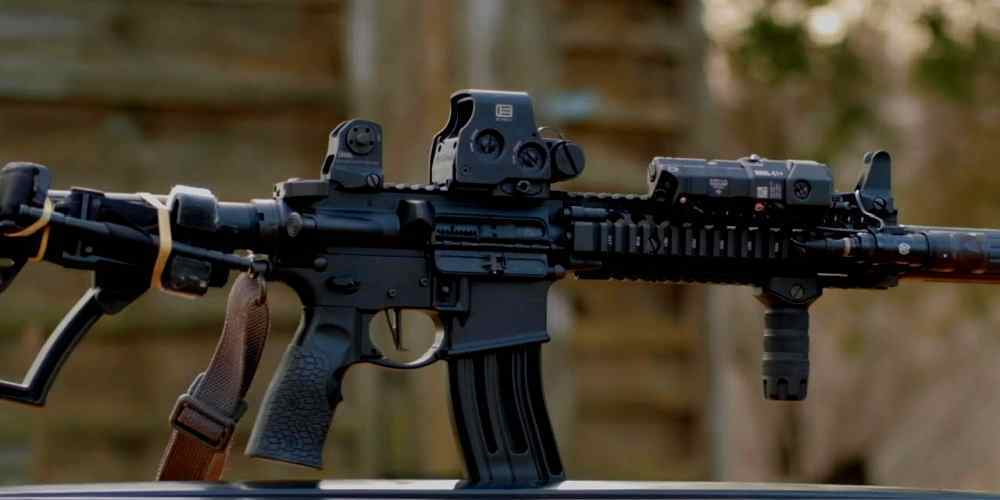
If you’ve put your first few hundred rounds through an AR-15 and suddenly noticed it feels smoother, cycles a little differently, or seems more “settled in” than it did out of the box, you’re not imagining things. Many rifle owners experience a noticeable change somewhere around the 500-round mark, and that shift usually comes from a combination of break-in wear, parts mating, lubrication patterns, and the rifle’s internal surfaces stabilizing under use. For responsible owners, understanding those changes is part of learning your firearm—just as important as knowing how to store, clean, and handle it safely.
What Changes After 500 Rounds in Your AR-15
After the first 500 rounds, the most common change is simply that the rifle feels less new and more established. The bolt carrier group, charging handle, buffer system, trigger parts, and upper/lower receiver contact points have all had enough cycles to polish one another in subtle ways. This doesn’t mean the rifle is “worn out” in any negative sense; it means the mating surfaces have started to conform, which can make the action feel smoother and more predictable during operation.

You may also notice small changes in recoil impulse, cycling sound, and charging effort. New AR-15s often have a slightly tighter or rougher sensation because factory finishes, coatings, and tolerances need time to settle with heat and movement. After several hundred rounds, lubrication tends to distribute more evenly, carbon begins to build in the places where it naturally wants to live, and spring tension feels more consistent to the shooter. In practical terms, the rifle may seem easier to run, especially during faster strings or repeated range sessions.
Accuracy can also improve a bit—not because the rifle is magically becoming more precise, but because you are learning it and the rifle is becoming more consistent. A new owner often becomes more familiar with the trigger break, sight picture, and follow-through over those first few outings, while the rifle itself becomes steadier in how it cycles and locks back. This is also a good time to evaluate whether any magazines, ammunition types, or accessories are affecting reliability, since early use often exposes the real personality of a build.
Break-In Wear, Feel, and Performance Explained
What many shooters call “break-in” is really the normal interaction of mechanical parts under load. In an AR-15, the bolt lugs, cam pin path, gas system, buffer components, and fire control surfaces all experience repeated motion, pressure, and heat. Over time, microscopic high spots on metal surfaces wear down, coatings burnish, and friction decreases. That’s why the rifle may go from feeling stiff and slightly gritty to running with a more fluid, controlled motion.
Lubrication plays a major role in this process, and it’s one reason experienced owners emphasize proper maintenance rather than assuming a rifle will sort itself out. The AR platform generally performs best when lightly to moderately lubricated in the right places, especially during the early round count. If the rifle feels different after 500 rounds, that change may be partly due to oil migrating away from high-contact areas and partly due to the parts themselves becoming smoother. A good cleaning and re-lube can often restore that familiar “easy to run” feel without masking any underlying issue.
It’s also important to distinguish normal break-in from actual problems. A rifle that gets smoother over time is one thing; a rifle that starts showing unusual wear marks, extraction issues, inconsistent ejection, or failures to lock back may need a closer inspection. Check for gas leakage, carrier key issues, magazine problems, or improper assembly if the behavior seems off. Responsible firearm ownership means paying attention to these early signs rather than assuming all changes are harmless, especially on a defensive or hunting rifle where reliability matters most.
Maintenance and Real-World Advice
The first 500 rounds are an excellent time to build good habits: inspect the bolt, clean the chamber, check the gas system, verify torque on accessories, and confirm your zero after any major change. Many owners also take this period to test several magazines and ammunition loads, since a rifle that functions perfectly with one brand may behave differently with another. Keeping notes on what you shot, how the rifle performed, and what maintenance you did can help you identify patterns before they become problems.
From a historical standpoint, the AR-15 platform earned its reputation because it is modular, maintainable, and adaptable, but that also means small part interactions matter. Unlike older platforms that rely heavily on mass and simple mechanical tolerance, the AR rewards proper setup and regular attention. Good magazines, quality ammunition, correct lubrication, and clean assembly all influence how the rifle feels as it settles in. That’s why two rifles with similar round counts can feel noticeably different depending on how they were built and maintained.
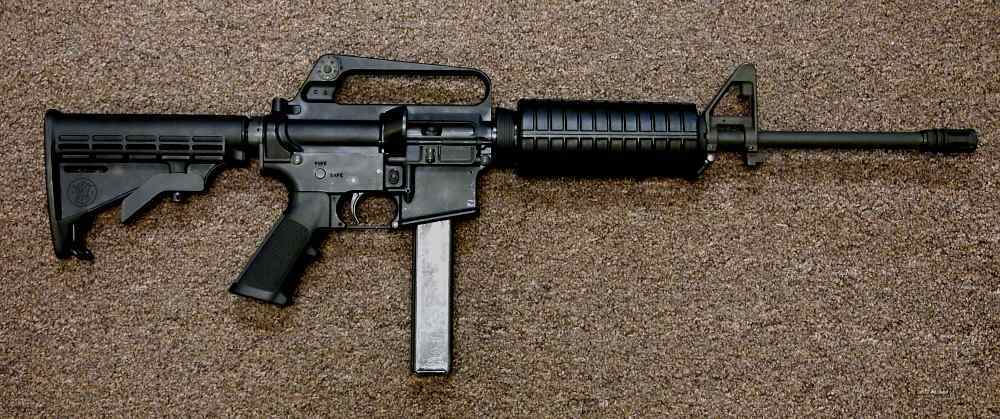
Most importantly, treat any shift in feel as information, not just a curiosity. If the rifle is smoother, that may mean it’s breaking in normally. If it feels harsher, looser, or inconsistent, that’s your cue to inspect it before your next range trip or field use. Safe handling, regular function checks, and respect for local laws should always come first. A well-understood AR-15 is not just more enjoyable to shoot—it’s also safer and more trustworthy when you need it to perform.
By the time your AR-15 passes the first 500 rounds, it has usually moved from “brand new” to “properly acquainted.” That change in feel is the result of real mechanical settling: surfaces smoothing, lubrication spreading, springs cycling, and the shooter becoming more familiar with the rifle’s rhythm. For most owners, that’s a normal and even welcome milestone.
If the rifle feels better after 500 rounds, that’s a sign of healthy break-in and good maintenance. If it feels worse, use that information to inspect, clean, and verify function. Either way, paying attention to those subtle changes will make you a more capable, responsible owner and help keep your rifle reliable for range time, hunting, or lawful self-defense use.