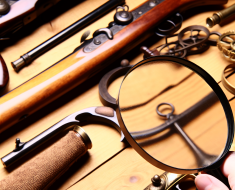
The Rise of Lever-Action Rifles in the Old West
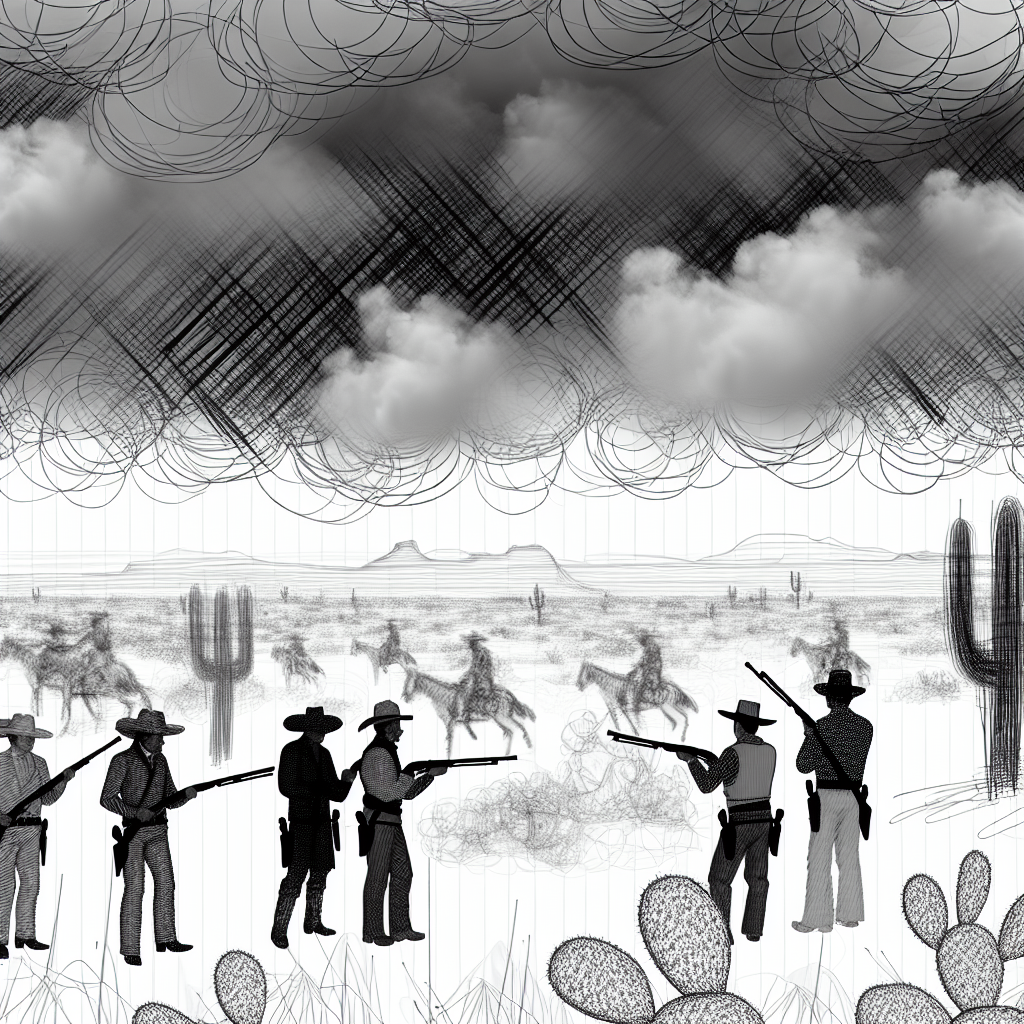
The Old West, a period synonymous with rugged individualism, lawlessness, and frontier expansion, witnessed the emergence of many iconic symbols. Among these, the lever-action rifle stands out as a technological marvel that revolutionized firearms and reshaped the dynamics of survival, defense, and conflict during the 19th century. This article explores the rise of lever-action rifles in the Old West, delving into their invention, widespread adoption, technical advantages, cultural significance, and enduring legacy.
Origins of Lever-Action Rifles: Innovation in Firearm Design
The lever-action rifle was a breakthrough in firearm technology that allowed shooters to fire multiple rounds quickly without needing to reload after each shot manually. Its development was driven by the demand for faster, more reliable weapons suitable for hunting, self-defense, and warfare during a time when traditional muzzle-loading rifles were slow and cumbersome.
While various experimental designs appeared earlier in the 19th century, the first practical lever-action rifle is credited to Benjamin Tyler Henry. In 1860, Henry patented his design for what became known as the Henry Rifle. This innovation featured a tubular magazine under the barrel and a lever mechanism that cycled rounds into the chamber with a smooth motion.
- Benjamin Tyler Henry’s Contribution: The Henry Rifle was capable of firing 15 rounds consecutively without reloading—an unprecedented capacity compared to single-shot muzzleloaders.
- Technical Design: The lever action operated by pulling down and forward on a large loop beneath the trigger guard, ejecting the spent cartridge and loading a new one from the magazine tube.
- Impact on Warfare: Although introduced just before the American Civil War’s end, the Henry Rifle’s rapid-fire capability gave Union soldiers an edge during several engagements.
The success of Henry’s design inspired further refinements and models by other inventors and manufacturers such as Winchester Repeating Arms Company. These improvements led to rifles that were more robust, easier to manufacture, and better suited to frontier conditions.
The Winchester Legacy: The Iconic Lever-Action Model
No discussion about lever-action rifles is complete without mentioning Winchester—the brand most closely associated with this firearm type. The Winchester Model 1866 built upon Henry’s foundation but added critical enhancements that made it ideal for use in the Old West.
- Winchester Model 1866: Nicknamed “The Yellow Boy” due to its distinctive brass receiver, this model improved durability and reliability while maintaining a high ammunition capacity (up to 16 rounds).
- Winchester Model 1873: Often called “The Gun That Won the West,” this rifle chambered in .44-40 caliber became incredibly popular among settlers, lawmen, and outlaws alike because it combined power with rapid-fire capability.
The introduction of these rifles coincided with westward expansion in America. Settlers faced threats from hostile wildlife, Native American tribes resisting encroachment on their lands, and bandits exploiting lawless territories. Lever-action rifles provided unmatched advantages under such conditions:
- Rapid-fire Ability: The lever mechanism allowed multiple shots in quick succession without losing accuracy or speed.
- Durability: Designed to withstand harsh environmental conditions—dusty plains, rocky terrain, extreme weather—these rifles rarely jammed or malfunctioned.
- Ammunition Versatility: Chambered in calibers suitable for both small game hunting and self-defense against larger threats like wolves or hostile humans.
Cultural Significance: Lever-Action Rifles as Symbols of Power
The lever-action rifle transcended mere utility to become an emblematic feature of Old West culture. Its image permeates popular media—from dime novels to Hollywood Westerns—symbolizing freedom, self-reliance, and justice on the frontier.
This cultural embedding is not accidental but stems from several real-world factors:
- Accessibility: Lever-actions were affordable relative to other repeating firearms like revolvers or early bolt-action rifles. This made them accessible to settlers and ranchers who needed dependable firearms for daily use.
- Lore of Lawmen & Outlaws: Figures like Wyatt Earp, Bat Masterson, and Jesse James reportedly favored Winchester lever-actions for their balance of firepower and portability.
- Cinematic Portrayal: Movies such as “Stagecoach” (1939) helped cement the rifle’s association with heroic sheriffs defending towns against chaos.
The rifle’s distinct “click-clack” sound when cycling rounds through its lever became instantly recognizable—a sonic hallmark evoking tension or excitement during gunfights depicted in stories about frontier justice.
Case Studies: Lever-Action Rifles in Action on the Frontier
The practical advantages of lever-action rifles were demonstrated repeatedly through historical accounts involving pioneers, military personnel, hunters, and law enforcement officers. Here are some notable examples illustrating their impact:
- Pony Express Riders: These riders often carried Winchester Model 1866 rifles for protection against bandits or hostile encounters while delivering mail across vast stretches of untamed land.
- Civil War Skirmishes & Aftermath
Civil War skirmishes and their aftermath saw the lever-action rifle gain prominence as soldiers recognized its value on the battlefield, leading to its adoption in various conflicts thereafter.
Overall, the lever-action rifle became a symbol of the Old West, embodying both the spirit of adventure and the necessity for protection in a lawless land.