The History of the CZ 75 Pistol
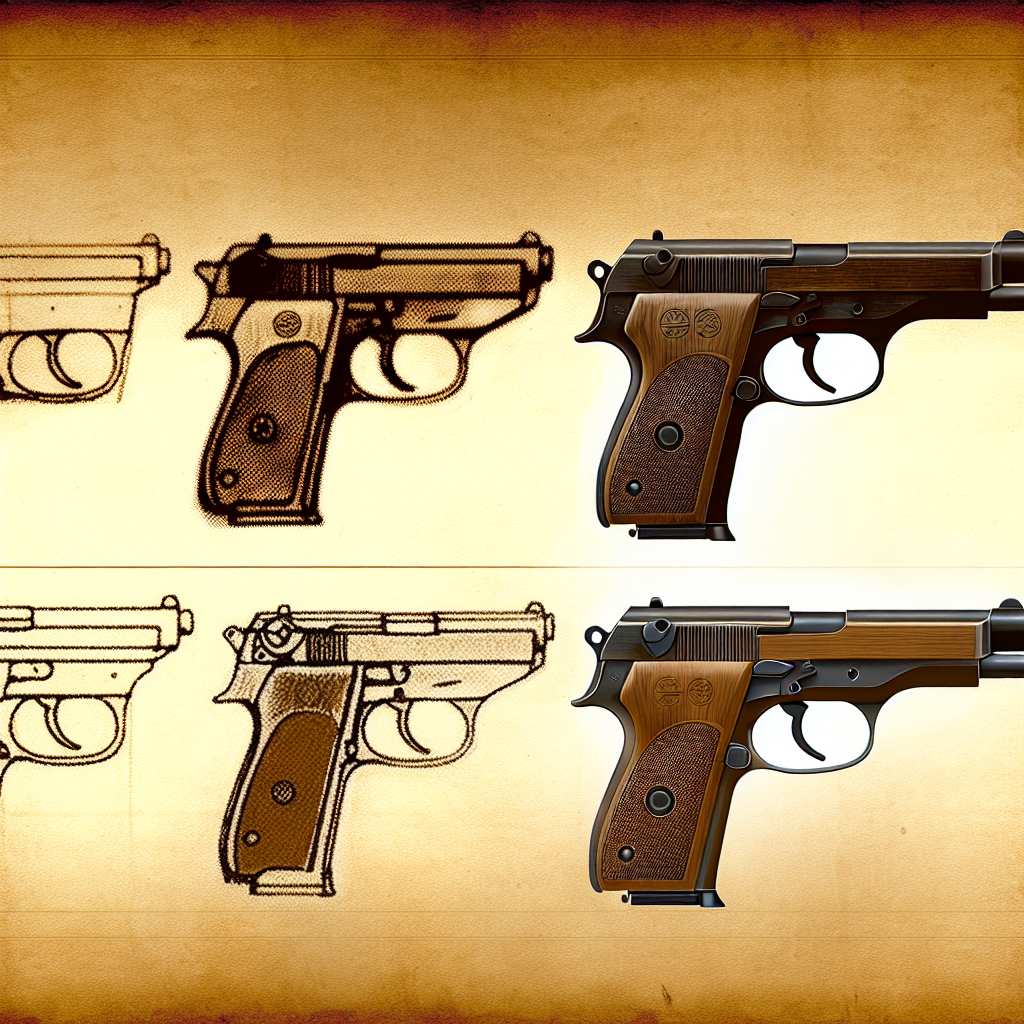
The CZ 75 pistol is one of the most iconic and enduring firearms in modern history. Known for its reliability, ergonomic design, and innovative features, it has been a favorite among military, law enforcement, and civilian shooters worldwide. This article explores the fascinating history of the CZ 75, tracing its development from inception to its global impact.
Origins and Development: The Birth of a Legend
The CZ 75 was developed in Czechoslovakia during the early 1970s by the state-owned Česká Zbrojovka (CZ) company located in Uherský Brod. The primary designer, Josef Koucký, began work on the pistol in 1969 with a goal to create a modern service pistol that would meet the needs of both military and police forces within the Eastern Bloc.
Several factors influenced the design of the CZ 75:
- Ergonomics: Koucký aimed to produce a pistol that fit comfortably in a variety of hand sizes, emphasizing user comfort during extended use.
- Durability and Reliability: The firearm was intended to perform consistently under harsh conditions typical of military environments.
- Modern Features: Incorporating a double-action/single-action trigger mechanism was innovative for Eastern Bloc firearms at the time.
The design borrowed heavily from other successful pistols such as the Browning Hi-Power but introduced unique elements that set it apart. The CZ 75 was officially adopted by Czechoslovakian military and police forces in 1975, which is where it gets its name.
Technical Innovations: What Makes the CZ 75 Stand Out?
The CZ 75 introduced several technical innovations that contributed to its reputation as one of the best semi-automatic pistols ever produced. Key features included:
- All-Steel Construction: Unlike many pistols that used aluminum or polymer frames, the CZ 75 utilized steel for enhanced durability and reduced recoil.
- Browning Linkless Locked-Breech Design: This mechanism ensured reliable cycling while reducing wear on parts.
- Slide Inside Frame Design: One of the most distinctive characteristics is how its slide rides inside the frame rails rather than outside them. This results in a tighter slide-to-frame fit, improving accuracy and reducing perceived recoil.
- Double-Action/Single-Action Trigger: This allowed users to fire the first shot in double-action mode (with a longer trigger pull) for safety, followed by lighter single-action shots for precision.
- High Magazine Capacity: With a standard magazine capacity of 15 rounds for 9mm models, it outpaced many contemporaries like the M1911’s seven or eight rounds.
This combination of features made the CZ 75 highly competitive on both tactical and sporting fronts. It was praised for its balance between power, control, and ease of use — an important consideration for both novice and expert marksmen.
The Cold War Context: Limited Western Exposure but Growing Reputation
During its early years, geopolitical tensions restricted much of Eastern Bloc weaponry from reaching Western markets. As a result, despite being technologically advanced, the CZ 75 remained relatively unknown outside Warsaw Pact countries until later decades.
Nevertheless, within Czechoslovakia and allied states like East Germany and Poland, it became standard issue. The pistol saw extensive use in various conflicts where Warsaw Pact forces were involved or supplied weapons to local allies. Examples include:
- African Conflicts: During various Cold War proxy wars in Africa during the 1980s, weapons like the CZ 75 found their way into insurgent hands due to Soviet support networks.
- Mediterranean Tensions: Certain paramilitary groups operating around Mediterranean hotspots also adopted CZ pistols due to their reliability and availability through black markets or covert supply lines.
The end of communism in Eastern Europe dramatically changed this dynamic. As borders opened up post-1989, Western manufacturers began importing or licensing copies of Czech designs, significantly increasing global exposure to this pistol platform.
CZ 75 Variants and International Influence
The success of the original model led to an entire family of variants designed to meet diverse user requirements around the world. Some notable versions include:
- CZ 75B: Introduced in the early 1990s with improvements such as an ambidextrous safety lever and firing pin block for enhanced safety features.
- CZ Tactical Sport: A competition-oriented model featuring adjustable sights and enhanced ergonomics designed for IPSC shooters worldwide.
- CZ SP-01: A modernized variant with accessory rails for mounting lights or lasers, improved grips, and upgraded internals aimed at tactical users including law enforcement agencies globally.
- CZ Shadow Series: Enhanced competition pistols inspired by SP-01 but optimized specifically for speed shooting disciplines like USPSA and IPSC Open divisions.
The proliferation of these models showcases how adaptable the original design proved to be over time.
Additionally, international manufacturers have produced licensed or unlicensed copies inspired by the CZ 75, further expanding its influence in the firearms market.
This enduring legacy underscores the CZ 75’s significance in both historical and modern contexts within the shooting community.