The History of the Remington Model 870
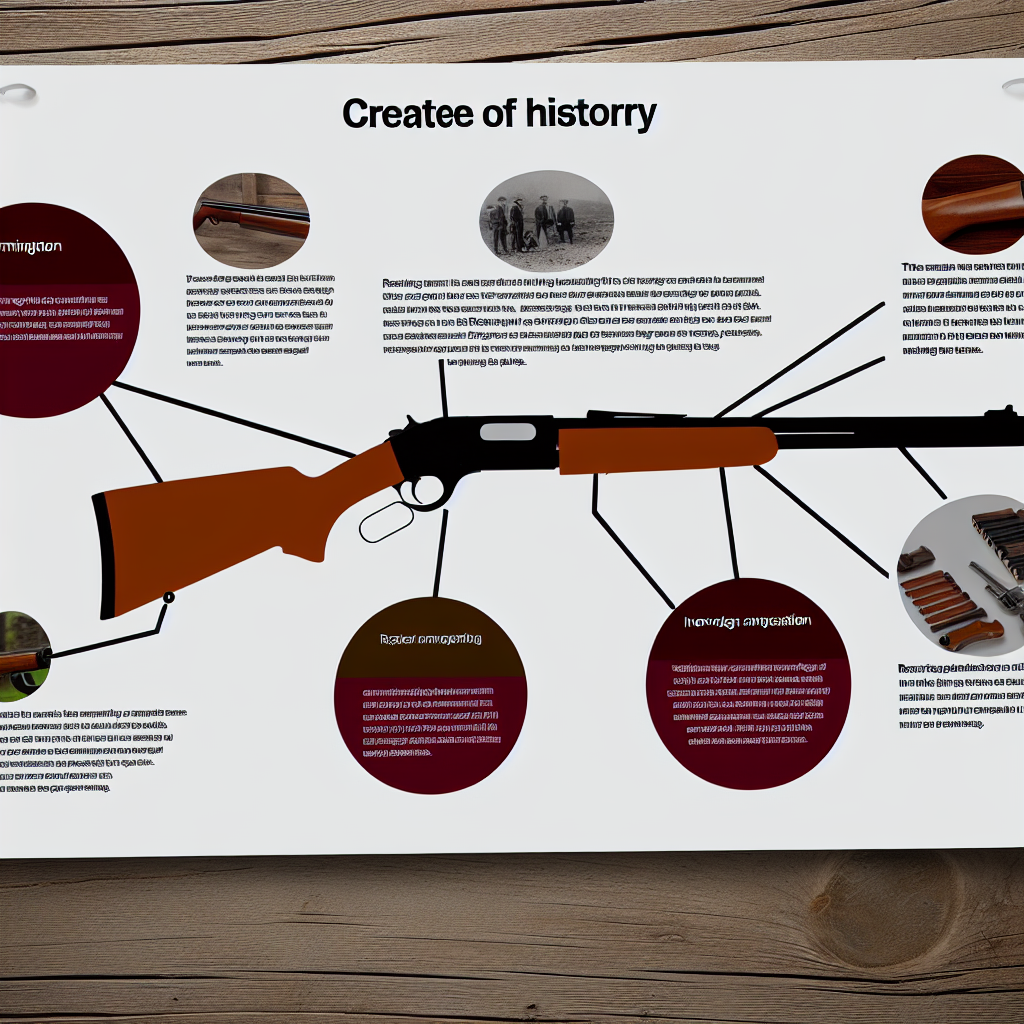
The Remington Model 870 is one of the most iconic and enduring shotguns in American firearms history. Known for its reliability, versatility, and affordability, the Model 870 has become a staple for hunters, law enforcement agencies, military personnel, and civilian shooters alike. This article delves into the rich history of the Remington Model 870, exploring its origins, design evolution, impact on shooting culture, and legacy as a firearm that has stood the test of time.
Origins and Development: Birth of a Legend
The story of the Remington Model 870 begins in the early 1950s when Remington Arms sought to develop a new pump-action shotgun to replace its aging Model 31. The company aimed to create a shotgun that was not only rugged and reliable but also easier and less expensive to manufacture.
In 1950, Remington introduced the Model 870, designed by Ellis Hailston. The shotgun featured a simple yet innovative design that improved upon previous models. It utilized a forged steel receiver instead of cast or stamped metal parts, which contributed significantly to its strength and durability.
- Key design features: The Model 870 incorporated a dual action bar system to reduce binding during cycling.
- Forged steel receiver: Provided exceptional strength compared to cast receivers used by competitors.
- Interchangeable parts: Simplified repairs and maintenance.
- Versatile chambering options: Initially chambered in 12 gauge but later expanded to include other gauges.
The first Remington 870 was produced in late 1950 and quickly gained popularity among hunters and sportsmen due to its smooth action and rugged construction. By 1951, production ramped up considerably as demand increased nationwide.
Design Evolution: Innovations and Variants Over Time
While the basic design of the Model 870 has remained consistent since its inception, numerous enhancements have been made over decades of production. These refinements have allowed the shotgun to meet diverse user needs across civilian, law enforcement, and military applications.
Early Improvements:
- The introduction of different barrel lengths ranging from compact 18.5-inch barrels for tactical use to longer barrels up to 30 inches favored by hunters.
- Addition of improved sights such as bead sights initially followed by rifle-style sights for enhanced accuracy.
- Introduction of various stock options including hardwood, synthetic stocks for weather resistance, pistol grips for better control.
Tactical Models:
The rise in tactical firearm usage during the late 20th century saw Remington develop specialized variants of the Model 870 tailored for police and military forces. These included features such as shorter barrels for maneuverability in close quarters, extended magazine tubes for increased capacity, heat shields to protect users’ hands from barrel heat during rapid fire, and ghost-ring sights or optical mounts for faster target acquisition.
- Remington Model 870 Police: Introduced in the mid-1970s specifically designed for law enforcement with heavy-duty components for rigorous use.
- MCS (Modular Combat Shotgun): A modern tactical variant featuring rails for mounting accessories like lights and lasers.
Special Editions and Collectibles:
Remington has also released commemorative editions celebrating milestones such as the 50th anniversary of the Model 870’s introduction. These models often feature engraved receivers, unique finishes, or special packaging aimed at collectors.
The Role of the Remington Model 870 in Hunting and Sport Shooting
The versatility of the Model 870 has made it a favorite among hunters targeting various game species across North America. Its ability to handle different types of ammunition—from birdshot for upland game birds to slugs suitable for deer hunting—makes it an adaptable tool in diverse hunting environments.
Popular Hunting Uses Include:
- Waterfowl Hunting: Longer barrels with choke tubes allow hunters to shoot ducks and geese effectively at longer ranges.
- Upland Bird Hunting: Lightweight models with shorter barrels are favored for pheasant or quail hunting where quick handling is essential.
- Big Game Hunting: Using rifled slugs or sabot slugs in choke tubes transforms the shotgun into a formidable weapon against deer-sized game where rifles may be restricted.
The reliability under harsh outdoor conditions has earned many positive reviews from hunters who depend on their firearms functioning flawlessly during critical moments in the field. Additionally, competitive shooters have adopted certain versions of the Model 870 for events like Sporting Clays due to its smooth cycling action and ease of customization.
The Impact on Law Enforcement and Military Use
The ruggedness and dependability demonstrated by the Remington Model 870 did not go unnoticed by law enforcement agencies across America. Beginning in the mid-20th century, police departments started adopting it as their primary patrol shotgun due to its simplicity compared to semi-automatic models prone to jamming under adverse conditions.
- Simplicity & Reliability: Pump-action mechanism ensured fewer malfunctions under dirty or wet conditions encountered during patrols or riots.
- Ammunition Versatility: Allowed officers flexibility in choosing rounds depending on mission requirements—
Ammunition Versatility: Allowed officers flexibility in choosing rounds depending on mission requirements—making the Model 870 a practical choice for various situations.
In summary, the Remington Model 870’s combination of reliability, versatility, and ease of use has solidified its status as a trusted firearm in both civilian and professional settings.