The Story of the Lee-Enfield Rifle
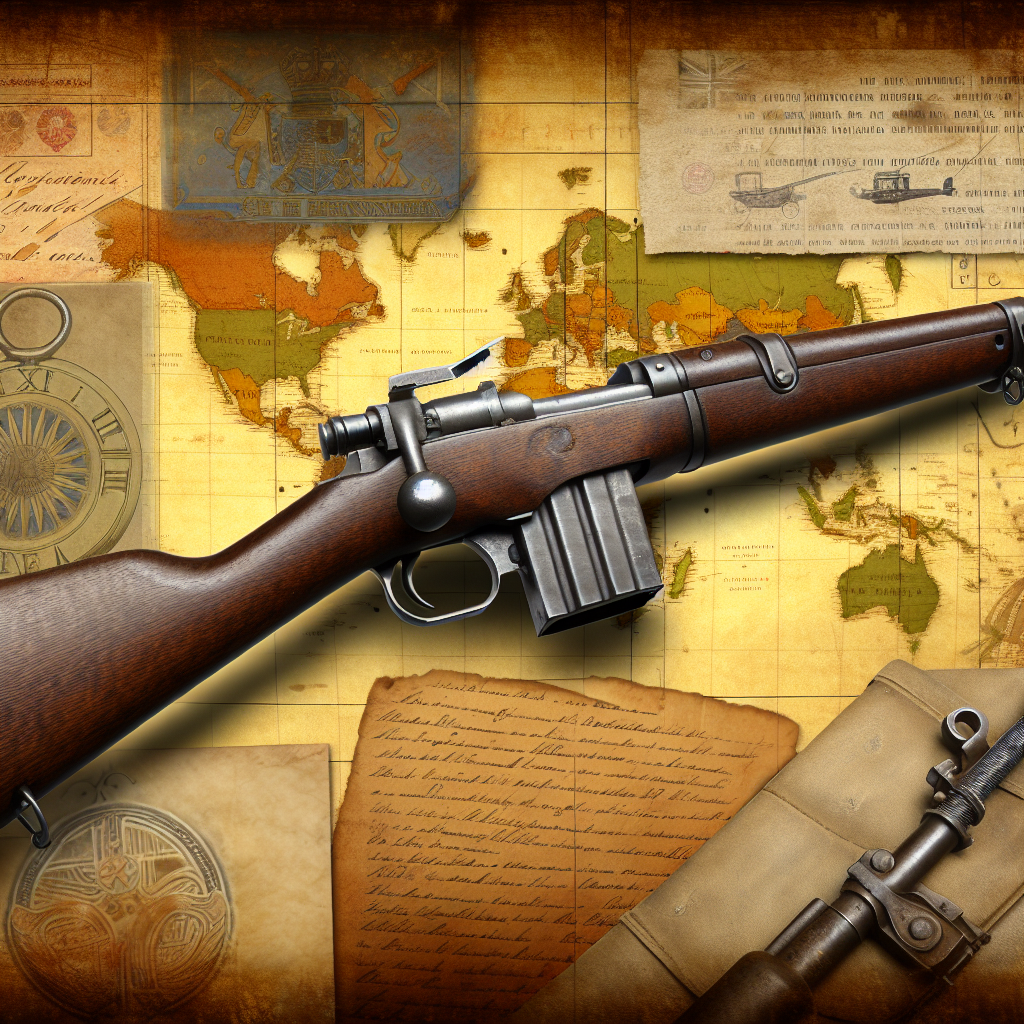
The Lee-Enfield rifle stands as one of the most iconic and enduring firearms in military history. Renowned for its reliability, accuracy, and robust design, it served as the standard-issue rifle for British and Commonwealth forces for more than half a century. This article delves into the fascinating story behind the development, deployment, and legacy of the Lee-Enfield rifle, shedding light on its technical innovations, battlefield effectiveness, and cultural significance.
Origins and Development: The Birth of a Legendary Rifle
The story of the Lee-Enfield rifle begins in the late 19th century when military powers around the world were seeking to modernize their infantry weapons. The British Army was using the Martini-Henry rifle but recognized the need for a faster-loading, more accurate firearm to keep pace with advancements made by other nations.
In 1888, British officer James Paris Lee designed a bolt-action mechanism that allowed for faster cycling of rounds without sacrificing reliability. This design was combined with an improved magazine system to create what would become known as the “Lee” action.
Following this innovation, the Royal Small Arms Factory at Enfield Lock developed a new rifle incorporating Lee’s bolt-action mechanism with other improvements. The result was officially adopted in 1895 as the Lee-Metford rifle, which later evolved into the famous Lee-Enfield series.
- James Paris Lee: Inventor of the bolt-action mechanism used in the rifle.
- Enfield Lock: The British factory responsible for manufacturing and refining the design.
- Lee-Metford: Early version combining Lee’s bolt with Metford rifling barrels.
The transition from the Lee-Metford to the Lee-Enfield occurred around 1904 when Enfield introduced new barrel rifling designed by Royal Artillery officer William Ellis Metford. This change enhanced accuracy and durability, leading to widespread adoption in British forces.
Technical Features: What Made the Lee-Enfield Stand Out?
The Lee-Enfield rifle is often praised for its innovative features that combined speed, accuracy, and ease of use. Some key technical aspects contributed to its reputation as one of the best bolt-action rifles ever produced:
- Bolt-Action Mechanism: The smooth and fast “cock-on-closing” bolt allowed soldiers to fire up to 20-30 aimed shots per minute in skilled hands — a remarkable rate compared to contemporaries like the Mauser or Springfield rifles.
- Magazine Capacity: It featured a detachable box magazine holding 10 rounds of .303 British ammunition — double that of most other rifles at the time.
- .303 British Cartridge: A powerful rimmed cartridge offering effective range and stopping power suitable for both close combat and long-range engagements.
- Robust Construction: Built with high-quality steel and wood, it was durable enough to withstand harsh battlefield conditions across various climates.
This combination allowed troops armed with Lee-Enfields to maintain sustained firepower without frequent reloading — an advantage particularly noticeable during intense combat situations like trench warfare in World War I.
The Lee-Enfield in Combat: Wars That Defined Its Legacy
The true test of any firearm lies on the battlefield. The Lee-Enfield proved itself time and again through multiple conflicts spanning over five decades. Its performance during these wars solidified its place in military history:
World War I (1914–1918)
The onset of World War I saw millions of British and Commonwealth soldiers equipped with various versions of the Lee-Enfield rifle. Its rapid rate of fire proved crucial during trench warfare where quick reaction times could mean survival. Some notable points include:
- Sustained Firepower: Soldiers could deliver continuous aimed shots against enemy troops advancing across no-man’s-land.
- Accuracy at Range: Effective up to 600 yards, it allowed marksmen to pick off targets from relatively safe distances.
- Reliability Under Fire: Despite muddy trenches and adverse weather conditions, it rarely jammed or malfunctioned.
A famous example comes from Sergeant Alvin C. York of the American forces (who used a similar bolt-action rifle), but many British snipers using Lee-Enfields also earned reputations for lethal precision during this period. The rifle’s effectiveness contributed significantly to Allied infantry tactics focused on marksmanship and volume fire.
World War II (1939–1945)
The second global conflict further tested improvements made on earlier models such as the SMLE Mk III (Short Magazine Lee Enfield Mark III). It remained standard issue for British troops throughout WWII despite newer semi-automatic rifles appearing elsewhere. Key highlights include:
- Diverse Battlefronts: Used across Europe, North Africa, Asia-Pacific campaigns showcasing adaptability across different terrains.
- Tactical Flexibility: Its fast cycling action was valuable during close-quarter battles as well as open-field engagements.
- Lend-Lease & Commonwealth Use: Widely supplied not only within Britain but also among allied nations like Canada, Australia, India, and South Africa.
The introduction of sniper variants like the No.