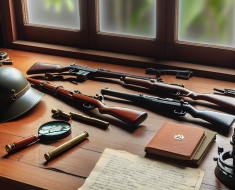
Understanding the Value of Antique Firearms
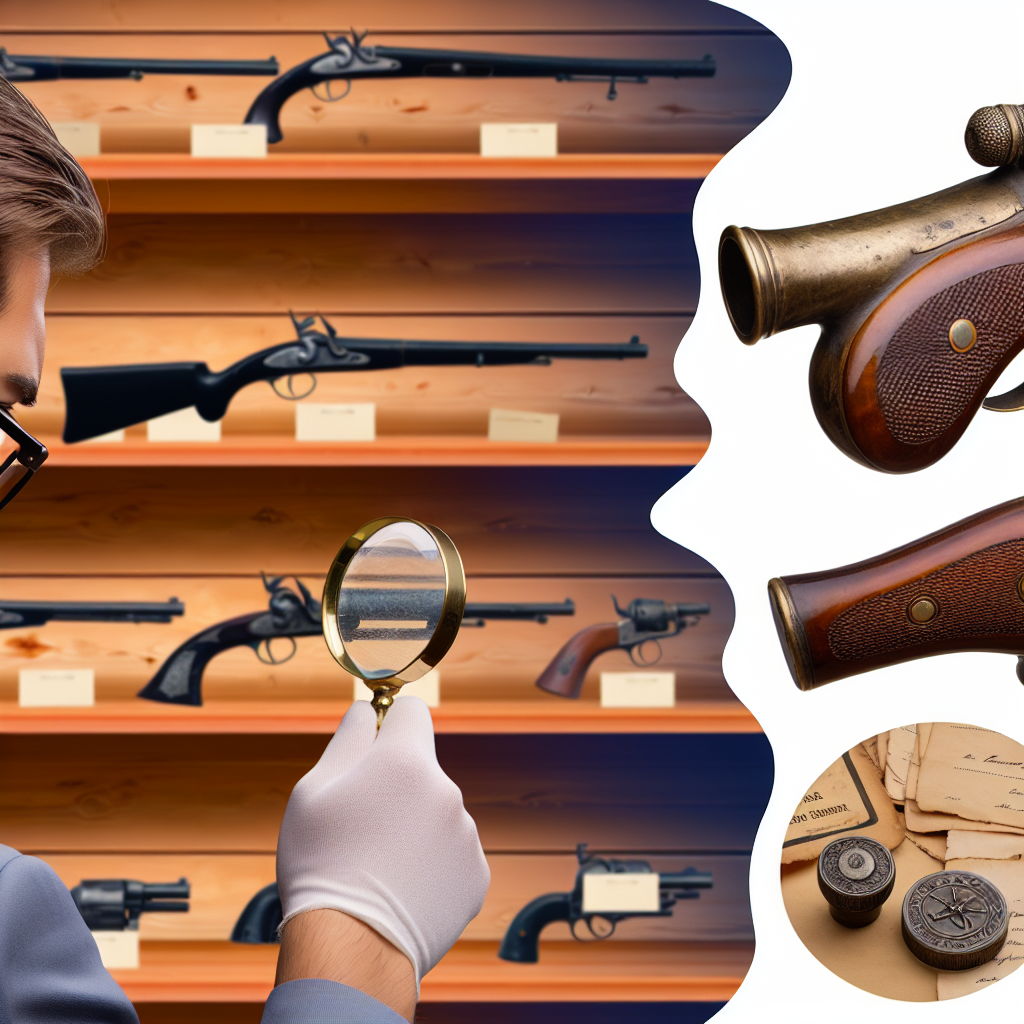
The allure of antique firearms extends far beyond their functional use as weapons. These historic pieces embody craftsmanship, cultural heritage, and stories from pivotal moments in history. For collectors, historians, and enthusiasts alike, understanding the value of antique firearms requires a deep dive into their origins, rarity, condition, and provenance. This article explores the multifaceted aspects that contribute to the value of antique firearms and offers insights into how these pieces are appraised in today’s market.
The Historical Significance of Antique Firearms
Antique firearms serve as tangible links to the past. They represent technological advancements, military innovations, and social transformations across centuries. Many antique guns were used during significant historical events such as wars, territorial expansions, and revolutions.
For example, the American Civil War (1861-1865) featured iconic firearms like the Springfield Model 1861 rifled musket and the Colt 1851 Navy revolver. These guns are not only valued for their mechanical design but also for their connection to a critical period in American history.
Similarly, European firearms such as the flintlock muskets from the Napoleonic Wars or early matchlock guns used in medieval battles provide insight into evolving warfare tactics and craftsmanship traditions.
- Technological evolution: Antique firearms reflect innovations such as rifling, cartridge development, and firing mechanisms.
- Cultural impact: Some firearms symbolize national identity or colonial expansion.
- Historical narratives: Specific models can be linked to notable historical figures or events.
The historic context elevates these weapons from mere tools to artifacts with educational and commemorative value.
Key Factors Influencing the Value of Antique Firearms
The valuation of antique firearms is a nuanced process influenced by multiple criteria. Understanding these factors is crucial for both buyers and sellers in making informed decisions.
Age and Rarity
Generally, older firearms tend to be more valuable due to their scarcity. However, age alone does not guarantee high value; rarity plays an equally important role. A firearm that was produced in limited quantities or has few surviving examples today will command a premium price.
- Early flintlock pistols from the 17th century are exceedingly rare and highly prized among collectors.
- Limited-production models, such as special edition rifles or experimental prototypes, often have increased desirability.
Condition and Originality
The physical state of an antique firearm significantly impacts its value. Collectors look for guns that retain original parts and finishes without excessive wear or damage. Restored guns may lose some value if restorations are poorly executed or not historically accurate.
- Museum-quality preservation: Firearms kept in pristine condition with original wood stocks and metalwork fetch top prices.
- Functionality: While many collectors do not fire antiques due to safety concerns, operational condition can add value for some buyers.
Provenance and Documentation
A well-documented history can greatly enhance an antique firearm’s worth. Provenance includes records showing previous ownership by notable individuals or use in significant historical events. Guns with accompanying paperwork—such as military records, purchase receipts, or letters—are more attractive to collectors because they add authenticity and storytelling depth.
Manufacturer and Model Popularity
Certain manufacturers have established reputations that influence values:
- Colt Manufacturing Company: Renowned for revolvers like the Colt Single Action Army (“Peacemaker”).
- Winchester Repeating Arms Company: Famous for lever-action rifles symbolic of the American West.
- Lefaucheux: Known for early cartridge revolvers popular in Europe during the mid-19th century.
The popularity of specific models within collecting communities also drives demand—for instance, Mauser bolt-action rifles are sought after by military collectors worldwide due to their widespread use in early 20th-century conflicts.
The Role of Authentication and Appraisal in Determining Value
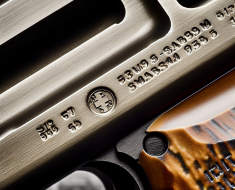
Authentication is essential when buying or selling antique firearms because reproductions and fakes exist on the market. Expert appraisal involves careful inspection by professionals who evaluate key characteristics such as maker’s marks, serial numbers, proof stamps, and manufacturing techniques.
An appraisal typically includes:
- A detailed physical examination of the firearm’s components.
- A comparison with known examples from trusted reference books or museum collections.
- An assessment of any modifications or restorations affecting originality.
- A market analysis considering recent auction results for similar pieces.
The expertise required for proper appraisal often comes from gunsmiths specializing in antiques or certified firearm appraisers affiliated with collector organizations like the National Rifle Association (NRA) or European equivalent bodies.
The Economics of Collecting Antique Firearms: Market Trends & Investment Potential
The market for antique firearms has fluctuated over decades but remains robust among dedicated collectors globally.
According to a report by The Blue Book of Gun Values (2023 edition), certain categories have seen significant appreciation over time: this includes rare military firearms, historical pieces, and those with unique provenance. Understanding these trends can help collectors make informed decisions.
In conclusion, antique firearms not only serve as historical artifacts but also hold substantial investment potential for collectors.