The Benefits of Regular Gun Cleaning for Longevity
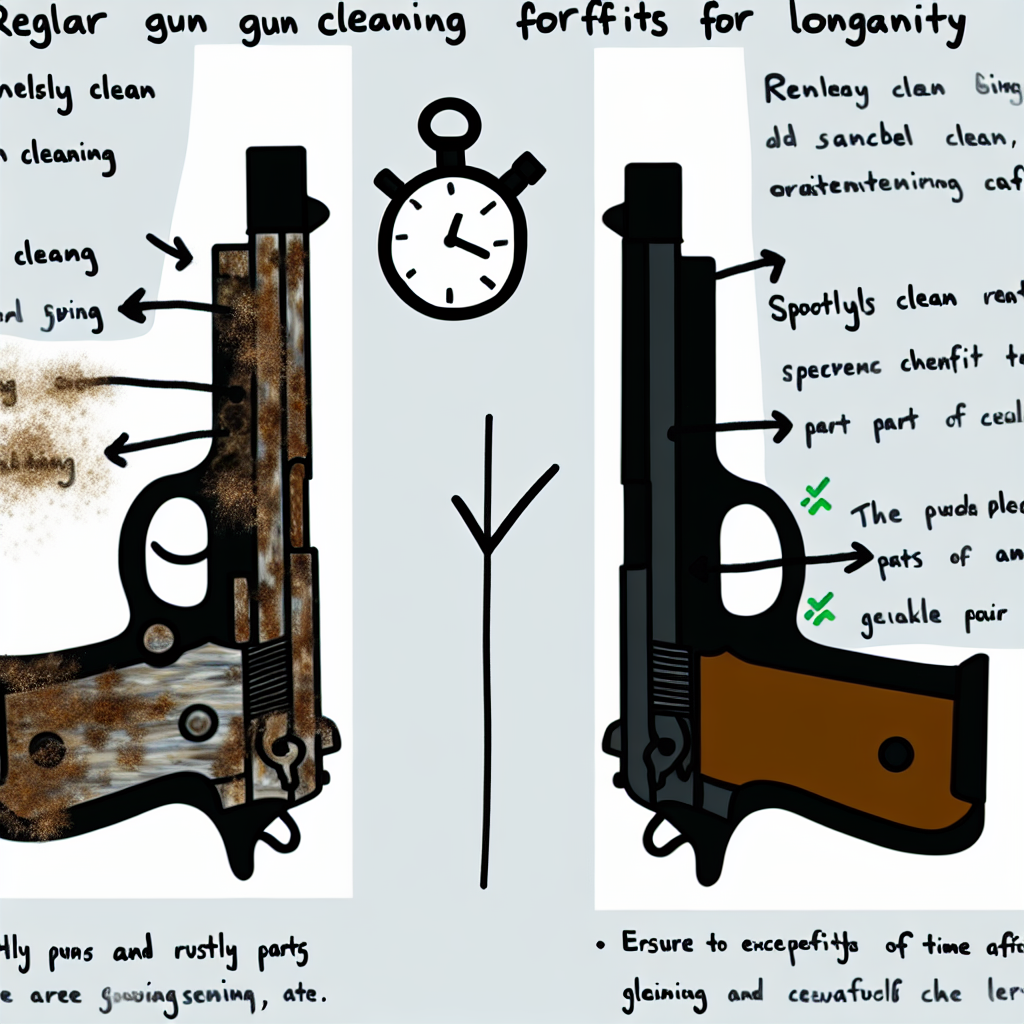
Owning a firearm comes with significant responsibility, and one of the most crucial aspects of firearm ownership is regular maintenance. Among maintenance tasks, gun cleaning stands out as a fundamental practice that directly impacts the longevity, reliability, and safety of your weapon. Whether you are an avid hunter, a competitive shooter, or a responsible gun owner focused on home defense, understanding the benefits of regular gun cleaning can enhance your firearm’s performance and extend its service life.
Why Regular Gun Cleaning Matters
Firearms are intricate mechanical devices designed to operate under extreme conditions involving high pressures, heat, and residue buildup. Every time a gun is fired, residue from burnt gunpowder, lead particles from bullets, copper fouling from jacketed rounds, and carbon deposits accumulate inside the barrel and other components.
Over time, these residues can lead to several issues:
- Corrosion and Rust: Moisture and chemical residues can cause metal parts to corrode if not properly cleaned and lubricated.
- Reduced Accuracy: Fouling in the barrel can affect the bullet’s trajectory by changing the barrel’s internal dimensions.
- Mechanical Malfunctions: Residue buildup can cause jams, misfires, or failure to feed/eject ammunition properly.
- Safety Risks: A dirty firearm is more prone to malfunctions that could potentially be dangerous to the user.
In essence, regular cleaning preserves your firearm’s integrity and ensures it performs safely and reliably when needed.
The Impact of Residue Buildup on Firearm Performance
The accumulation of residue inside a firearm is inevitable with use. To appreciate why cleaning is necessary, it’s important to understand how fouling affects various components:
- Barrel Fouling: Copper from bullet jackets deposits inside the barrel during firing. Over time, copper fouling alters the rifling pattern, reducing accuracy. According to a study by the National Institute of Justice (NIJ), copper fouling can reduce accuracy by up to 30% after only 100 rounds if left uncleaned.
- Carbon Build-Up: Carbon residue from burnt powder accumulates in the chamber and bolt carrier group (for semi-automatic rifles). This buildup can cause sluggish cycling or failures to eject spent casings.
- Lead Deposits: Lead bullets leave deposits that can reduce precision and increase barrel wear if not removed regularly.
- Lubrication Breakdown: Dirt and debris mixed with lubricant form a thick paste that hinders smooth operation rather than facilitating it.
A practical example comes from competitive shooters who often clean their firearms multiple times during events. Many report noticeable drops in accuracy and increased misfeeds when cleaning intervals are extended beyond recommended levels. This real-world evidence highlights how fouling directly compromises performance.
The Role of Gun Cleaning in Preventing Corrosion
One of the silent killers of firearms is corrosion — a chemical reaction between metal parts and environmental factors like moisture, salt, or acidic residues. Even stainless steel guns are susceptible if not properly maintained. The presence of uncleaned residues accelerates corrosion because they trap moisture against metal surfaces.
A case study conducted by the U.S. Army Armament Research showed that firearms exposed to humid environments without regular cleaning exhibited rust formation within weeks. Conversely, weapons cleaned thoroughly after use showed significantly delayed corrosion onset—even under harsh conditions like saltwater exposure.
- Preventative Measures Include:
- Cleaning immediately after exposure to rain or humidity
- Using quality solvents that neutralize corrosive compounds
- Lubricating moving parts with rust-inhibiting oils
- Storing firearms in controlled environments with low humidity
This preventive care not only preserves aesthetics but also protects structural integrity essential for safe operation over years or decades.
The Financial Advantages of Maintaining Your Firearm Through Regular Cleaning
A well-maintained firearm lasts longer and performs better — translating directly into financial savings for owners. Here are some ways regular cleaning benefits your wallet:
- Reduced Repair Costs: Preventing malfunctions caused by residue buildup avoids expensive repairs or part replacements. For example, replacing a damaged extractor due to improper cycling can cost $50-$150 plus gunsmith fees.
- Avoiding Premature Wear: Dirt acts as an abrasive between moving parts accelerating wear-and-tear. Keeping components clean extends their lifespan significantly.
- Sustained Resale Value: Firearms that have been regularly maintained retain higher resale value. Collectors and buyers often request maintenance records as proof of proper care.
- Cumulative Cost Savings: According to industry reports, average yearly maintenance costs for firearms are minimal compared to potential repair or replacement expenses resulting from neglect.
The investment in cleaning supplies—such as brushes, solvents, lubricants—and time spent maintaining your gun pays off handsomely in preserving its operational life span.
The Safety Implications of Regular Gun Cleaning
The importance of safety cannot be overstated when it comes to firearms.