How to Use Gun Cleaning Rods Safely
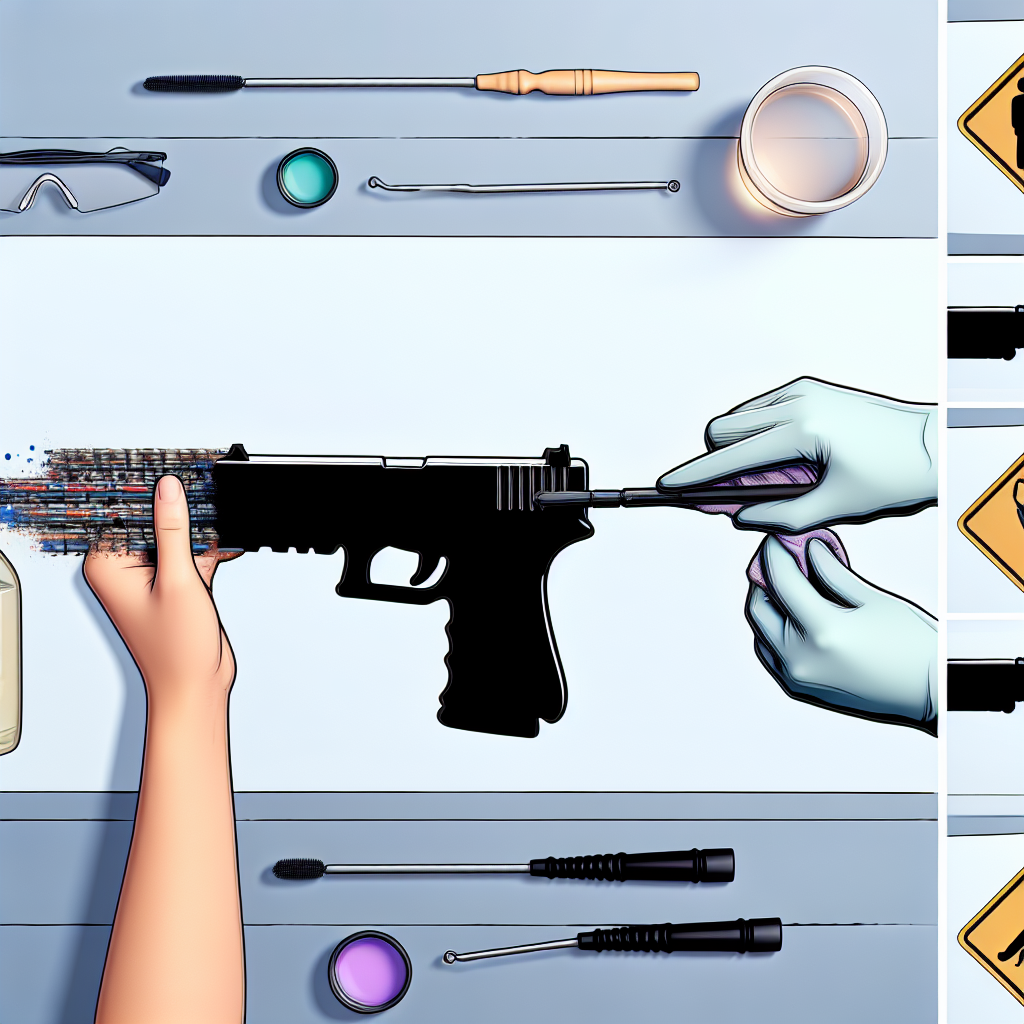
Proper firearm maintenance is essential for ensuring reliability, accuracy, and longevity of your gun. Among the various tools used for cleaning firearms, the gun cleaning rod stands out as a fundamental piece of equipment. However, improper use of cleaning rods can cause damage to your firearm or even pose safety risks. This article explores how to use gun cleaning rods safely and effectively, providing you with best practices, tips, and insights supported by examples and expert recommendations.
Understanding Gun Cleaning Rods: Types and Purposes
Before diving into safe usage practices, it’s crucial to understand what a gun cleaning rod is and the different types available. A gun cleaning rod is a long, slender tool designed to push cleaning patches, brushes, and other attachments through the barrel of a firearm to remove fouling, residue, and debris.
There are several types of cleaning rods based on material and design:
- Steel Rods: These are the most common but can be harsh on delicate barrels if not used correctly.
- Brass Rods: Softer than steel and less likely to scratch the barrel.
- Aluminum Rods: Lightweight but can bend easily; often coated to reduce wear.
- Carbon Fiber Rods: High-quality rods that are strong yet gentle on barrels; preferred by many professional gunsmiths.
The choice of rod material depends on your firearm type and personal preference, but regardless of material, safe handling is essential to prevent damage.
Why Safety Matters When Using Gun Cleaning Rods
The importance of safety when using gun cleaning rods cannot be overstated. Improper use can lead to several issues:
- Barrel Damage: Excessive force or incorrect attachment can scratch or deform the rifling inside the barrel, affecting accuracy.
- Rod Breakage: Using a low-quality or bent rod may cause breakage inside the barrel, which can be difficult and costly to fix.
- Accidental Discharge Risks: Neglecting basic firearm safety—such as ensuring the gun is unloaded—before cleaning could lead to accidental discharge.
- Personal Injury: Handling sharp attachments without care can cause cuts or other injuries.
A report by the National Shooting Sports Foundation (NSSF) highlights that nearly 70% of firearm-related accidents during maintenance occur due to negligence in safety protocols. Thus, following safe procedures when using a gun cleaning rod protects both your firearm and yourself.
Step-by-Step Guide: Safe Use of Gun Cleaning Rods
The following steps outline how to safely use a gun cleaning rod during routine firearm maintenance:
1. Ensure Your Firearm Is Completely Unloaded
This is the fundamental rule for any firearm handling activity. Remove all ammunition from the chamber and magazine. Visually inspect both the chamber and magazine well to confirm no rounds remain. Physically check by running your finger through the chamber if necessary.
2. Select Appropriate Rod Length and Attachments
The cleaning rod should be slightly longer than your barrel length to avoid pushing attachments too hard against either end. Choose brushes or patches compatible with your caliber for effective yet gentle cleaning.
- A .223 caliber rifle requires a .22 caliber brush or patch size.
- A shotgun’s bore diameter will necessitate larger attachments accordingly.
3. Assemble Cleaning Attachments Correctly
Screw brushes or patch holders securely onto the threaded end of the rod. Loose attachments can detach inside the barrel—a situation that requires professional removal services costing hundreds of dollars in some cases.
4. Insert the Rod From the Chamber End When Possible
This technique minimizes wear on the muzzle crown—a critical component for accuracy. Pushing debris toward the muzzle rather than pulling it back through prevents damage at this sensitive point. Some firearms require insertion from the muzzle side; consult your firearm’s manual for guidance.
5. Use Gentle Pressure and Controlled Movements
Avoid forcing the rod through tight spots. Instead, apply steady pressure with slow forward strokes. If resistance occurs, retract slightly and adjust angle or attachment size rather than forcing forward. Forcing can scratch rifling or bend rods.
6. Clean in Multiple Passes Rather Than One Hard Push
Cumulative small passes allow thorough debris removal without undue strain on parts or attachments. After several passes with brushes, follow up with patches soaked in solvent or oil as recommended by manufacturers.
7. Regularly Inspect Your Cleaning Rod for Damage
Bent rods or damaged threads increase risks during use; replace them immediately upon noticing defects to avoid complications during cleaning sessions.
Troubleshooting Common Problems with Gun Cleaning Rods
No tool is perfect; even well-maintained rods may encounter issues during use. Understanding how to handle these problems ensures continued safe practice:
- Bent Rods: Attempting straightening at home may worsen damage; it’s safer to replace bent rods entirely.
- Caught Attachments: If a brush gets stuck
Caught Attachments: If a brush gets stuck, carefully back it out without applying excessive force to prevent further issues. Always keep your cleaning area organized to minimize mishaps.
By following these guidelines, you can ensure safe and effective use of gun cleaning rods, maintaining both your equipment and your safety.