Essential Gun Cleaning Tips for Every Firearm Owner
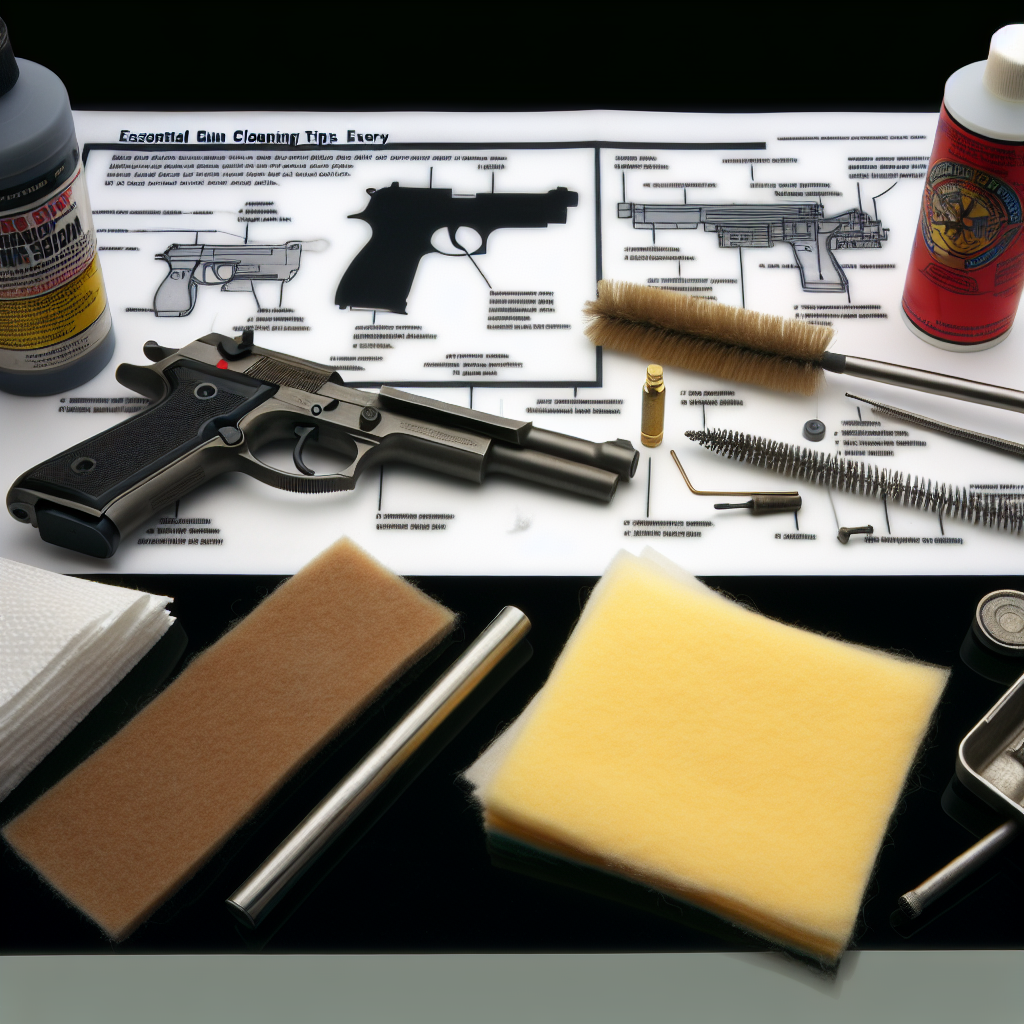
Owning a firearm comes with the responsibility of proper maintenance to ensure safety, reliability, and longevity. One of the most critical aspects of firearm maintenance is regular cleaning. Neglecting this essential task can lead to malfunctions, decreased accuracy, and even dangerous failures. Whether you own a handgun, rifle, or shotgun, understanding how to clean your firearm properly is vital for every gun owner.
In this article, we will explore essential gun cleaning tips designed to help firearm owners maintain their weapons in top condition. From choosing the right tools to understanding the cleaning process step-by-step, this guide provides valuable insights backed by expert advice and relevant statistics.
The Importance of Regular Gun Cleaning
Before diving into the specifics of cleaning techniques and tools, it’s important to understand why regular cleaning is crucial. Firearms undergo significant stress when fired — hot gases, powder residue, and metal fouling accumulate inside barrels and other components. This buildup can impair function and even lead to dangerous situations if left unchecked.
According to a study by the National Shooting Sports Foundation (NSSF), approximately 70% of firearm malfunctions reported by shooters are linked to improper or insufficient maintenance. Regular cleaning:
- Prevents corrosion and rust caused by moisture and residue.
- Ensures reliable cycling of moving parts such as slides, bolts, and triggers.
- Maintains accuracy by removing fouling that affects bullet trajectory.
- Extends the lifespan of your firearm.
Whether you’re a casual shooter or a professional marksman, consistent cleaning after every use is recommended. In some cases — such as exposure to harsh environments — more frequent cleaning might be necessary.
Gathering the Right Tools: What Every Firearm Owner Needs
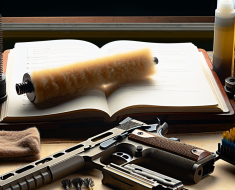
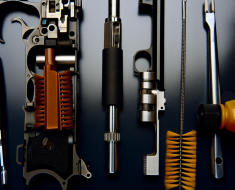
Successful gun cleaning starts with having the right tools on hand. Using inappropriate or low-quality materials can damage your firearm’s finish or internal mechanisms. Below is a list of essential items that form the foundation of an effective gun-cleaning kit:
- Bore Brushes: Typically made from bronze or nylon, bore brushes help loosen carbon deposits inside the barrel.
- Patches: Cotton patches are used for applying solvents and wiping away residue.
- Cleaning Rods: These rods allow you to push brushes and patches through the barrel safely without scratching it.
- Solvents: Gun-specific solvents dissolve powder fouling and carbon buildup effectively.
- Lubricants: Proper lubrication prevents wear on moving parts and protects against rust.
- Nylon Brushes & Toothbrushes: Great for scrubbing hard-to-reach areas such as chambers and magazines.
- Cotton Swabs & Picks: Useful for precision cleaning in small crevices.
- Safety Gear: Gloves and eye protection safeguard you from chemicals during cleaning.
An investment in quality tools pays off in better maintenance outcomes. Brands like Hoppe’s, Otis Technology, and Ballistol offer highly rated kits trusted by professionals worldwide.
A Step-By-Step Guide to Cleaning Your Firearm
The process for cleaning firearms varies slightly depending on the type — handgun, rifle, or shotgun — but many principles remain consistent. Here is a general step-by-step approach that every gun owner should follow:
1. Ensure Safety First
- Unload your firearm completely: Remove any magazine and check chamber visually and physically to confirm no ammunition remains.
- Select a well-ventilated area free from distractions where you can focus on the task safely.
2. Disassemble According to Manufacturer Instructions
- A basic field strip usually involves separating the barrel, slide/bolt, recoil spring (if applicable), and frame components for easier access during cleaning.
- Avoid forcing parts apart; consult your owner’s manual for proper disassembly guidance specific to your model.
3. Clean the Barrel Thoroughly
- Apply solvent generously inside the barrel using patches or bore brushes attached to a cleaning rod.
- Run bore brushes through several times until fouling loosens up; then follow with clean patches until they come out clean.
- This step directly impacts accuracy since residue buildup affects bullet trajectory significantly over time.
4. Clean Other Components Carefully
- Use nylon brushes dipped in solvent on parts like the slide rails, bolt face, firing pin channel, chamber walls, etc., where grime accumulates frequently.
- Picks or cotton swabs help reach tiny crevices inaccessible with larger brushes.
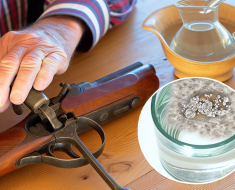
- Avoid excessive solvent application on wooden stocks or grips that may absorb chemicals damagingly; use lightly dampened cloths instead if necessary.
5. Dry All Parts Completely
- Dampness left on metal surfaces invites corrosion; wipe all cleaned pieces thoroughly with dry cloths before reassembling your firearm.
6.
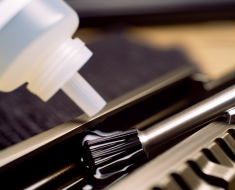
Lubricate moving parts moderately to ensure smooth operation and prevent wear. A small amount of quality lubricant applied to the necessary components will help maintain optimal performance.
By following these essential cleaning tips, firearm owners can ensure their weapons remain in excellent condition and function reliably when needed.