The Dos and Don’ts of Cleaning Firearm Barrels
Maintaining a firearm in optimal condition is not only crucial for performance but also for safety and longevity. One of the most critical aspects of firearm maintenance is cleaning the barrel. The barrel is the heart of the firearm, guiding the bullet and affecting accuracy, reliability, and overall function. However, improper cleaning techniques can damage the barrel or compromise your firearm’s safety. This comprehensive guide explores the dos and don’ts of cleaning firearm barrels, providing valuable insights backed by expert advice, case studies, and practical tips.
Understanding the Importance of Barrel Cleaning
Before diving into the specific dos and don’ts, it’s essential to understand why cleaning the barrel matters so much. Residue from gunpowder, copper fouling from bullets, carbon deposits, and even rust can accumulate inside the barrel over time. These deposits can affect bullet velocity, cause accuracy issues, increase wear on the firearm, or even lead to dangerous malfunctions.
According to a study by the National Rifle Association (NRA), firearms that were cleaned regularly showed a 30% improvement in accuracy compared to those that were neglected. Furthermore, a report from Ballistics Research Group found that excessive fouling could increase chamber pressure by up to 15%, potentially damaging the firearm or causing injury.
Hence, proper cleaning of your firearm barrel is essential for safety, performance, and durability.
Dos: Best Practices for Cleaning Your Firearm Barrel
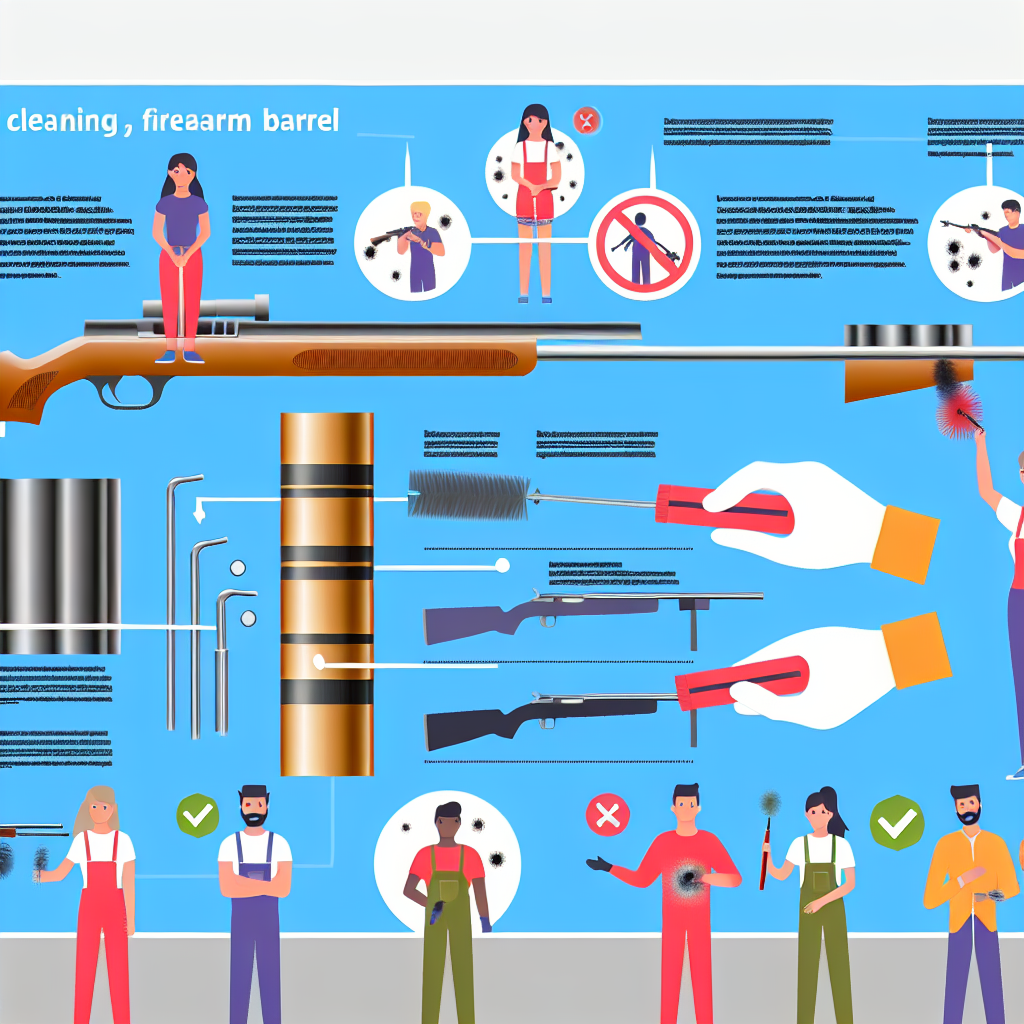
Adhering to best practices ensures effective cleaning without damaging your firearm. Here are key dos to follow:
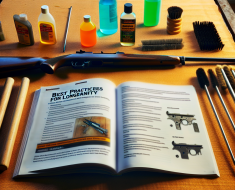
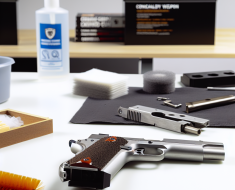
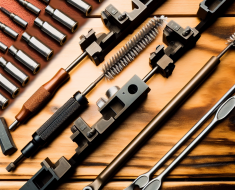
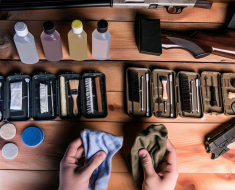
- Do Use Quality Cleaning Tools: Invest in a good quality cleaning rod (preferably one-piece stainless steel or coated carbon fiber), bore brushes made of appropriate materials (bronze or nylon), and high-quality patches designed for your caliber.
- Do Choose Proper Solvents: Use solvents specifically formulated for firearms to dissolve carbon buildup and copper fouling effectively. Popular choices include Hoppe’s No. 9, M-Pro7, or Break-Free CLP.
- Do Follow Manufacturer Recommendations: Always consult your firearm’s manual for specific instructions related to barrel cleaning frequency and recommended products.
- Do Clean in a Well-Ventilated Area: Many solvents contain chemicals that can be harmful if inhaled excessively; ensure adequate ventilation during cleaning.
- Do Use Protective Gear: Wear gloves and eye protection to avoid contact with solvents and debris.
- Do Remove Ammunition Before Cleaning: Always ensure your firearm is unloaded before beginning any maintenance.
- Do Clean in a Consistent Direction: Run brushes and patches through the barrel from breech to muzzle to avoid damage or lodging debris inside the barrel.
- Do Inspect the Barrel Regularly: Use a bore light or inspection camera after cleaning sessions to check for any remaining fouling or damage such as pitting or corrosion.
Case Study: The Impact of Proper Barrel Maintenance on Accuracy
A competitive shooter reported a noticeable difference in grouping size after implementing regular barrel cleaning routines following these dos. By using bronze brushes followed by solvent-soaked patches run consistently from breech to muzzle over multiple sessions, his groups shrank from an average of 1.5 inches at 100 yards down to under 0.8 inches within three months. This demonstrates how disciplined maintenance contributes directly to improved shooting performance.
The Don’ts: Common Mistakes That Can Harm Your Firearm Barrel
Avoiding mistakes during barrel cleaning is just as important as following best practices. Here are several critical don’ts:
- Don’t Use Improper Tools: Avoid flexible rods with jagged edges or abrasive materials like steel wool which can scratch or damage rifling inside the barrel.
- Don’t Overuse Solvents or Lubricants: Excessive solvent use can lead to corrosion if not properly wiped away; similarly, too much lubricant can attract dirt and debris inside the barrel.
- Don’t Clean From Muzzle to Breech: Running brushes backward can cause brush bristles or debris to get stuck near chamber areas where they are harder to remove.
- Don’t Neglect Drying After Cleaning: Leaving moisture inside the barrel increases risk of rust formation; always dry thoroughly with clean patches after solvent use.
- Don’t Apply Excessive Force: Forcing brushes through tight barrels may damage rifling or misalign parts; gentle but firm strokes suffice.
- Don’t Mix Chemicals Inappropriately: Some solvents react adversely when combined—always use one product at a time and flush thoroughly before switching chemicals.
Avoiding Damage: Lessons from Real-World Incidents
A police department reported multiple cases where officers damaged their service pistols by using stiff steel brushes aggressively during routine cleanings. The rifling was worn prematurely due to improper technique combined with overzealous force application. These incidents emphasize why understanding proper tools and techniques is vital for avoiding costly repairs or replacements.
A clear procedure helps shooters maintain their firearms effectively and safely. Following these dos and don’ts ensures longevity and reliability in your firearm’s performance.