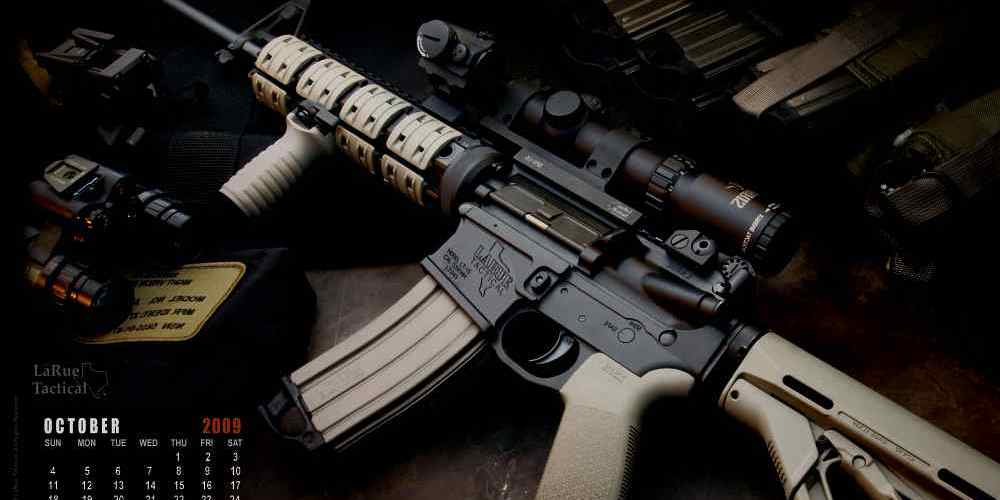
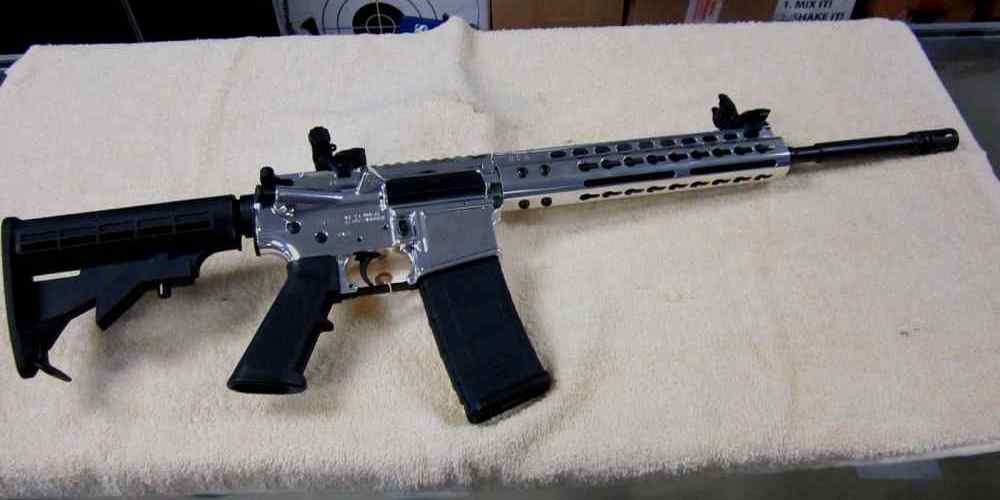
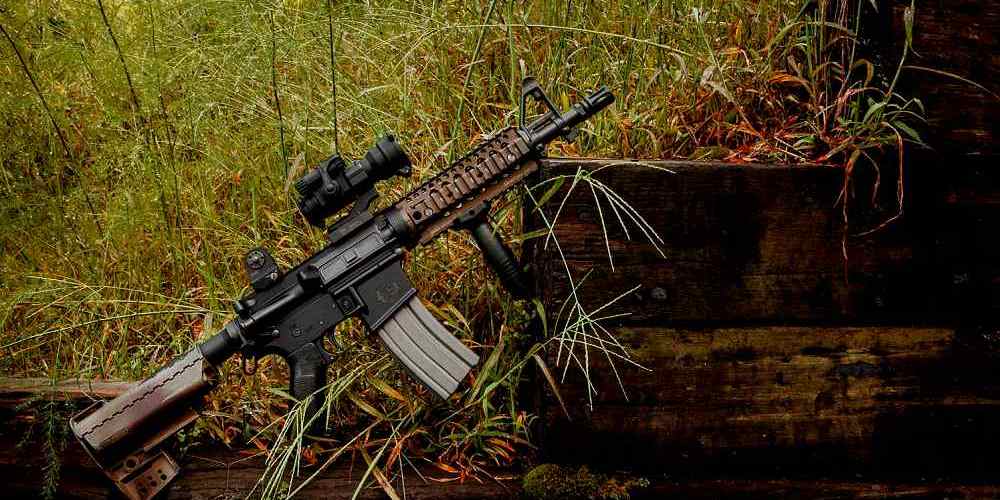
When people start building or upgrading an AR-15, the conversation usually turns to optics, triggers, lights, slings, and furniture. Those are worthwhile parts of a rifle setup, but they are often not the first place accuracy is won. In reality, the biggest differences in practical precision usually come from the barrel and the components that support it. A quality optic can help you see the target better, but it cannot make an inconsistent barrel shoot tighter groups.
For responsible gun owners, hunters, and serious rifle enthusiasts, understanding this distinction matters. If the goal is better accuracy for target work, hunting, or defensive confidence, it helps to think about the rifle as a system rather than a collection of accessories. The AR-15 platform rewards careful choices, and the most overlooked ones are often the most important. Safe handling, proper assembly, and buying quality components from reputable sources always come first.

Why Accuracy Starts with the Barrel, Not Optics
A good optic is useful because it lets you aim more precisely, but the barrel is what actually launches the bullet. If the bore is inconsistent, the crown is damaged, or the chamber and barrel extension are poorly made, the rifle will never realize its accuracy potential no matter how expensive the scope is. In simple terms, the optic helps you call the shot, but the barrel determines how repeatable that shot will be.
Historically, rifles became more accurate long before modern glass improved at the same pace, and the reason was straightforward: better barrels, better machining, and better ammunition compatibility. That principle still holds today with AR-15 builds. A well-made barrel with consistent rifling, proper gas port sizing, and a clean, undamaged crown will usually produce more noticeable improvements than an optic upgrade on a mediocre rifle. Hunters and precision-minded shooters especially benefit from understanding that a dependable barrel is the foundation of accuracy.
There is also a practical side to this for everyday owners. If you are building a rifle for defensive use, general range work, or small-game hunting, the barrel choice should match the role. A lightweight pencil barrel may handle nicely, but a heavier profile often resists heat-induced shift better during sustained firing. On the other hand, a premium stainless or nitrided barrel can offer excellent consistency without requiring exotic accessories. Whatever the choice, assembly should be done carefully, torque should be correct, and the rifle should always be checked for safe function before live fire.
The Overlooked AR-15 Part That Shrinks Groups
One of the most overlooked accuracy parts in an AR-15 build is the barrel nut and the way the barrel is secured to the upper receiver. It may not sound glamorous, but this interface affects alignment, stress, and consistency. If the barrel is not properly mounted, or if the barrel extension and receiver interface are poorly fit, the rifle can suffer from vertical stringing, inconsistent zero, and unexplained flyers. Small mechanical problems at this junction can show up as noticeably larger groups downrange.
Another frequently ignored factor is the gas system and how it interacts with the barrel. An overgassed rifle can batter components and create a harsher recoil impulse, while a poorly matched gas system can affect cycling consistency. Although gas tuning is often discussed in terms of reliability, it also matters for accuracy because a smoother, more stable rifle is easier to shoot well. Quality barrel makers often pay attention to gas port dimensions, chamber specifications, and finishing processes because those details make a real difference over time.
For shooters looking to improve practical accuracy, the best advice is usually to focus on the essentials before chasing accessories. Choose a reputable barrel maker, verify proper installation, use quality ammunition, and keep the rifle clean enough to function without over-maintaining it into excess. If you are buying parts, look for honest specifications rather than marketing language alone. A well-made barrel, correctly installed and matched with good ammo, will do more for group size than many expensive add-ons ever will.
The truth is that many AR-15 builds skip the most important accuracy part because it is less visible than an optic and less exciting than a new trigger or handguard. But the barrel is the heart of precision, and the supporting parts around it matter just as much. If you want tighter groups, more confidence in the field, and better performance at the range, start with the components that actually control consistency.
Responsible ownership means making informed choices, following safe installation practices, and selecting parts that fit your intended use. Whether you are building for hunting, sport shooting, or home defense, accuracy begins with sound fundamentals. Invest wisely, assemble carefully, and always follow local laws and firearm safety rules.